
Are you planning your next water adventure and find yourself wondering about the differences between a kayak and a personal watercraft (PWC)? You’re not alone.
Many water enthusiasts like you are eager to explore the thrilling world of aquatic activities but get stuck at this very question. We’ll dive into the key distinctions between kayaks and PWCs, helping you make the best choice for your exciting escapade.
Stay with us as we unravel this mystery, and by the end, you’ll have all the insights you need to hit the water with confidence and enthusiasm!
Credit: lotospmarina.com
Kayak Basics
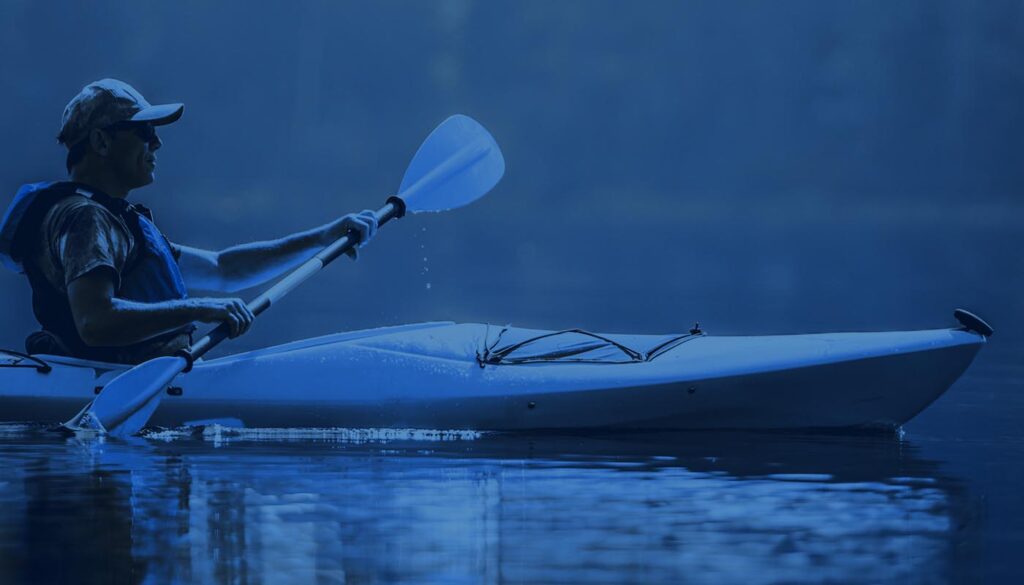
Kayaks are small, narrow watercraft used for recreation and sport. They are different from personal watercraft (PWC) like jet skis. Kayaks are propelled by a double-bladed paddle. They offer a peaceful way to explore water bodies. Learning about their basics helps in understanding their purpose and use.
Structure And Design
Kayaks have a unique structure tailored for stability and control. The basic design includes a cockpit where the paddler sits. The hull is the main body, designed for balance and speed. Some kayaks have a rudder or skeg for improved steering. Materials like plastic, fiberglass, and carbon fiber are common. Each material affects the kayak’s weight and durability.
Types Of Kayaks
Different types of kayaks serve various activities. Recreational kayaks are great for calm waters and beginners. They are stable and easy to use. Touring kayaks are longer and designed for long-distance paddling. They have storage space for gear. Whitewater kayaks are short and robust. They navigate fast-moving waters with ease. Inflatable kayaks offer portability and convenience. They are easy to store and transport.
Pwc Fundamentals
When you’re out on the water, the variety of vessels can be overwhelming. Among these, Personal Watercraft (PWC) stand out for their speed and agility. Understanding PWC fundamentals is crucial for anyone interested in water sports or recreational boating. Let’s dive into what defines these exciting machines.
Defining Personal Watercraft
Personal Watercraft, commonly referred to as PWCs, are small, motorized boats designed for one to three people. They’re often known by brand names like Jet Ski or Sea-Doo. Unlike traditional boats, PWCs are known for their compact size and ability to perform sharp maneuvers at high speeds.
PWCs are controlled by handlebars, much like motorcycles, and are powered by an inboard engine driving a water jet pump. This design enables them to skim across the water’s surface, providing an exhilarating ride. If you’ve ever wondered how those speedy little vessels zip around, it’s all thanks to the jet propulsion system.
Popular Pwc Models
There are several popular PWC models, each offering unique features tailored to different riding styles. Yamaha’s WaveRunner series is renowned for its reliability and performance. These models come equipped with advanced engine technology and comfortable seating, perfect for long rides.
Sea-Doo offers a diverse range of models, from sporty to luxury options. The Sea-Doo Spark is a favorite for those new to PWCs, offering affordability without compromising fun. Meanwhile, the Sea-Doo GTX series caters to those who seek comfort and premium features.
Kawasaki’s Jet Ski lineup is another top choice, famous for its power and durability. The Ultra series offers high horsepower, great for thrill-seekers looking to push the limits. If speed is your game, Kawasaki might just be your ideal pick.
Have you ever taken a ride on a PWC? The thrill of skimming across the water is unmatched. Whether you’re navigating waves or cruising along a calm lake, the choice of your PWC model can make a significant difference in your experience.
Performance And Speed
Kayaks and personal watercraft (PWC) differ in performance and speed. Kayaks offer a tranquil experience, while PWCs provide speed thrills.
In the world of watercraft, performance and speed are often key factors. Kayaks and personal watercraft (PWC) offer different experiences on the water. Understanding their capabilities helps in making informed choices.Speed Capabilities
Kayaks are not built for high speed. They rely on paddling, which limits speed. A fit paddler can achieve 3 to 5 mph. Racing kayaks can go slightly faster. PWCs, on the other hand, are powered by engines. They can easily reach speeds of 40 to 65 mph. Some models even exceed 70 mph. This makes PWCs suitable for thrill-seekers.Handling And Maneuverability
Kayaks excel in handling. Their lightweight design allows for easy control. Paddlers can navigate narrow spaces and shallow waters. This makes them ideal for rivers and lakes. PWCs are larger and heavier. They require more space to turn. But they offer stability at high speeds. Their advanced steering systems aid in smooth maneuvering.
Credit: www.reddit.com
Power Source
Understanding the power source of watercraft helps identify their nature. A kayak, often seen as a simple vessel, contrasts greatly with a Personal Watercraft (PWC) in terms of power. The distinction lies primarily in how each is propelled.
Motorized Vs. Manual
Motorized PWCs use engines for propulsion. These engines allow for swift movement across water. In contrast, kayaks rely on human power. Paddles drive them forward, providing a different experience. This manual approach emphasizes physical effort and connection with water.
Fuel And Energy Consumption
PWCs consume fuel, which impacts the environment. Their engines require gasoline to operate efficiently. This consumption results in emissions and environmental considerations. On the other hand, kayaks use no fuel. Their energy consumption is purely human, making them eco-friendly. They offer a sustainable way to explore waterways.
Usage And Purpose
Understanding the difference between a kayak and a personal watercraft (PWC) is essential. A kayak is human-powered and ideal for paddling on calm waters. In contrast, a PWC is motorized, offering a more thrilling ride on lakes and oceans.
Kayaks and personal watercrafts (PWCs) serve distinct roles on water. Kayaks are versatile vessels, known for their simplicity and ease of use. They offer unique experiences tailored to different activities and environments. Below, we explore the diverse usage and purpose of kayaks, highlighting recreational enjoyment and thrilling adventures.Recreational Use
Kayaks are ideal for leisurely paddling on calm waters. Families enjoy them for relaxed outings. Their design suits tranquil lakes and gentle rivers. Kayaks provide a peaceful escape in nature. They allow close encounters with wildlife. Novices find them easy to handle. Lightweight and portable, they are convenient for outings. For those seeking serenity, kayaking is perfect.Sport And Adventure
Kayaks offer thrilling experiences for adventure seekers. Whitewater kayaking attracts adrenaline enthusiasts. Navigating rapids requires skill and precision. Kayaking in the ocean provides excitement with waves. Sea kayaks are designed for longer excursions. They handle rougher waters, offering a challenge. Competitive kayaking demands physical fitness. Racing events test speed and agility. Kayaks deliver adventure on diverse terrains.
Credit: bendingbranches.com
Safety Considerations
Understanding the differences in design and function is crucial for kayak and personal watercraft users. Consider the impact of weather conditions, water currents, and safety gear. Proper knowledge ensures a safer and more enjoyable experience on the water.
Safety considerations are vital when using any watercraft, including kayaks and personal watercrafts (PWCs). Understanding the safety requirements can prevent accidents and ensure a fun experience on the water. Whether paddling on a calm lake or navigating the ocean waves, being prepared is crucial.Safety Equipment
Equipping yourself with the right gear is essential. Life jackets are mandatory for all paddlers. They should be worn at all times. A whistle or sound-producing device is useful for signaling distress. Carry a waterproof bag for your essentials. This keeps your phone and map dry. A bilge pump can help remove excess water from the kayak. Sun protection, like hats and sunscreen, prevents sunburn during long paddles.Risk Factors
Understanding potential risks ensures safer paddling. Weather changes rapidly. Check forecasts before heading out. Strong winds can make paddling difficult. Currents can be unpredictable, especially in rivers and oceans. Cold water increases the risk of hypothermia. Wear appropriate clothing to stay warm. Be aware of other boats. Larger vessels might not see kayaks easily. Paddle in groups whenever possible for added safety.Environmental Impact
The environmental impact of kayaking is a topic worth exploring, especially as more people seek outdoor activities that align with eco-friendly values. Unlike motorized Personal Watercraft (PWC), kayaks offer a silent and sustainable way to enjoy waterways without leaving a heavy footprint. But what are the real effects on the environment, and how can you make sure your kayaking adventures are as green as possible?
Eco-friendly Options
Kayaks are inherently eco-friendly because they are powered by human effort rather than fuel. This means zero emissions and less noise pollution, which is a win for the environment. Modern kayaks are often made from recyclable materials, reducing the long-term impact on landfills.
Consider choosing a kayak made from sustainable materials like recycled plastics or biodegradable composites. These options are not only kind to the earth but also often lighter and easier to transport.
Have you thought about how your equipment choices affect the environment? Simple switches, like opting for wooden paddles instead of plastic, can make a difference.
Impact On Marine Life
Kayaking presents a unique opportunity to observe marine life without disturbing it. Unlike PWCs, which can disrupt habitats with noise and speed, kayaks glide silently, offering a closer connection to nature.
However, your presence can still have an impact. Be mindful of your surroundings and avoid paddling too close to nesting areas or marine animals. This respect for nature ensures that your adventures contribute to conservation rather than disruption.
Next time you’re on the water, take a moment to appreciate the wildlife around you. Your respectful distance can help maintain the delicate balance of these ecosystems.
Cost And Accessibility
Kayaks and personal watercraft (PWC) differ in cost and accessibility. Understanding these differences can guide you in making the right choice. Let’s explore the price range and availability of kayaks compared to PWCs.
Price Range
Kayaks are generally more affordable than PWCs. Basic kayaks start around $200. High-end models can reach $1,500. PWCs, on the other hand, start at $5,000. Luxury models can cost over $20,000. This makes kayaks a budget-friendly option.
Availability And Accessibility
Kayaks are widely available. You can find them at sporting goods stores. They are also available online. Renting a kayak is easy at lakes and beaches. PWCs need specific locations for renting. They are available at marinas and water sports facilities. Kayaks are lightweight and easy to transport. This increases their accessibility. PWCs require trailers and storage space. This can limit accessibility for some people.
Frequently Asked Questions
What Are Kayaks Classified As?
Kayaks are classified as small, narrow watercraft. They are propelled by double-bladed paddles. Designed for recreational, fishing, or sporting activities, kayaks offer stability and maneuverability. Common types include sit-on-top, inflatable, and touring kayaks, each serving distinct purposes. Ideal for exploring rivers, lakes, and oceans, kayaks cater to various adventure preferences.
What Classifies As A Pwc?
A PWC, or personal watercraft, is a small, jet-propelled water vehicle. It accommodates one to three people. Operators sit or stand on it, rather than inside. Common brands include Jet Ski and Sea-Doo. They are designed for recreational use and require specific licenses to operate in many regions.
What Type Of Boat Is A Kayak?
A kayak is a small, narrow watercraft powered by a double-bladed paddle. It is designed for solo or tandem paddling. Kayaks are used in recreational, touring, and competitive settings. They offer stability and maneuverability on various water bodies, including lakes, rivers, and oceans.
Is Kayak An Olympic Sport?
Yes, kayaking is an Olympic sport. It includes events in sprint and slalom disciplines. Athletes compete in various categories, including singles and doubles. The sport has been part of the Olympics since 1936. Kayaking tests speed, skill, and technique on challenging courses.
Conclusion
Kayaks and PWCs serve different purposes. Kayaks offer a peaceful ride. Perfect for nature lovers. They glide through water silently. Ideal for exploring serene lakes. PWCs, on the other hand, provide speed. Great for thrill-seekers. Their powerful engines offer excitement.
Best for adventures on open waters. Choosing between them depends on your needs. Consider what you enjoy most. Both have unique benefits. Explore them and decide wisely. Whether it’s tranquility or thrill. Each offers a memorable experience. Understanding the differences helps.
Find what suits your style. Enjoy your time on the water.