
Are you on a quest to find the perfect protein powder? With so many options out there, it can be tough to choose the one that fits your needs best.
Two of the most popular choices are pea protein and whey protein. But is pea protein as good as whey? This question might have crossed your mind, especially if you’re looking to switch things up in your diet or find a more plant-based option.
You’ll discover the key differences between these two protein powerhouses and find out which one could be the better fit for you. So, before you make your next protein purchase, read on to learn how these proteins stack up against each other and which one might just become your new favorite.
Credit: medium.com
Nutritional Comparison
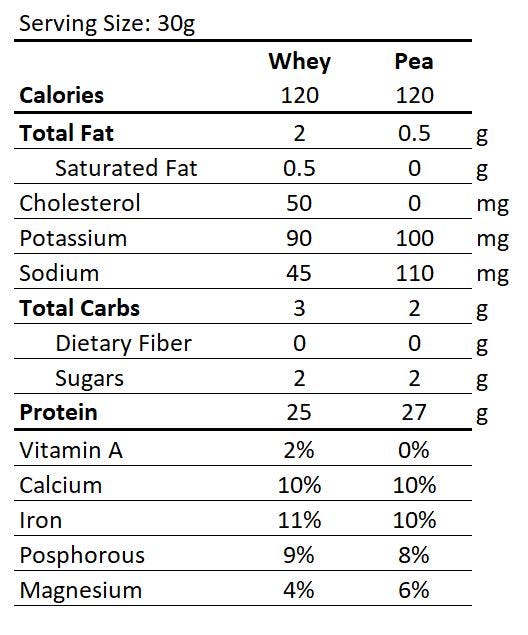
Choosing between pea protein and whey protein often boils down to understanding their nutritional differences. Both have unique characteristics that cater to different dietary needs and preferences. Let’s delve into the nutritional components of these popular protein supplements.
Protein Content
Whey protein is renowned for its high protein content, typically ranging from 20 to 30 grams per serving. This makes it a favorite among athletes and bodybuilders seeking rapid muscle recovery.
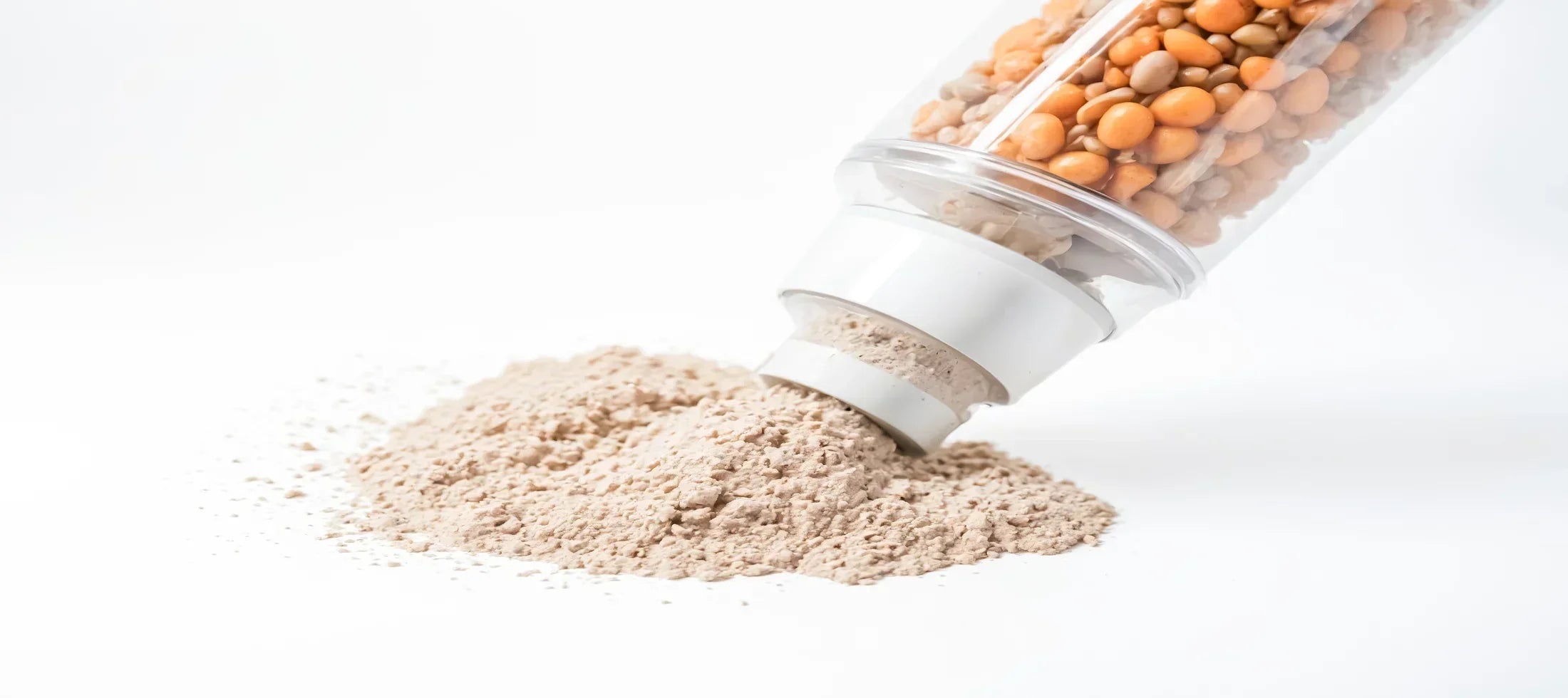
Pea protein, derived from yellow peas, offers a comparable protein content, usually around 15 to 25 grams per serving. While slightly lower than whey, it provides a solid alternative for those avoiding dairy.
Have you ever considered how much protein your body actually needs to function optimally? It’s worth pondering as you choose between these two options.
Amino Acid Profile
Whey protein shines with its complete amino acid profile, containing all nine essential amino acids. This makes it highly effective for muscle synthesis and repair.
Pea protein, although not as complete as whey, boasts high levels of branched-chain amino acids (BCAAs), including leucine, which is crucial for muscle growth.
Consider the role of these amino acids in your fitness goals. Are you getting enough leucine for optimal muscle development?
Digestibility
Whey protein is generally easy to digest due to its quick absorption rate. However, it may cause digestive issues for those with lactose intolerance.
Pea protein, on the other hand, is hypoallergenic and gentle on the stomach, making it suitable for individuals with dietary restrictions or sensitive digestive systems.
Reflect on your own digestion and dietary needs. Could pea protein be the solution to avoiding discomfort while still meeting your protein requirements?
Credit: jackednutrition.pk
Health Benefits
When comparing pea protein to whey, it’s crucial to look at the health benefits each offers. Both have their unique advantages, but which one aligns with your goals? Whether it’s building muscle, managing weight, or supporting heart health, understanding these benefits can guide your decision.
Muscle Growth
Pea protein is a powerhouse for muscle growth. It contains all nine essential amino acids, though in varying amounts compared to whey. Studies suggest that pea protein can be just as effective as whey in promoting muscle thickness, especially when consumed post-workout.
Whey protein, known for its rapid absorption, is often a favorite for those aiming to quickly replenish muscles. However, if you’re vegan or lactose intolerant, pea protein provides a viable alternative without compromising on muscle-building benefits.
Weight Management
Pea protein can be a great ally in weight management. It’s high in fiber, which keeps you feeling fuller for longer, reducing the urge to snack. This can be particularly helpful if you’re trying to shed a few pounds.
Whey protein also aids in weight loss, primarily through preserving lean muscle mass as you cut calories. The choice here often boils down to dietary preferences and tolerances. Are you looking for a plant-based option to support your weight goals?
Heart Health
Pea protein may offer additional heart health benefits. It contains peptides that have been shown to lower blood pressure levels. This makes it an appealing choice if heart health is a priority for you.
While whey protein is generally neutral in terms of heart health, it doesn’t offer these added cardiovascular perks. Pea protein might just edge out whey if you’re looking to support a healthy heart through your protein choices.
So, which protein aligns best with your health goals? The answer could lie in your personal dietary needs and lifestyle preferences. Consider what benefits matter most to you and make an informed choice.
Environmental Impact
Pea protein offers a more sustainable choice than whey. It requires fewer resources and produces lower greenhouse gas emissions. Opting for pea protein supports eco-friendly practices.
Pea protein and whey protein offer different environmental impacts. Understanding these impacts helps make informed choices. The production process of each protein affects the environment differently.Sustainability
Pea protein is often more sustainable. It comes from plants, which require fewer resources. Peas enrich the soil by fixing nitrogen. This reduces the need for chemical fertilizers. Whey protein, derived from milk, involves livestock farming. Livestock farming contributes to greenhouse gas emissions. This makes whey less sustainable than pea protein.Resource Use
Pea protein uses less water and land. Growing peas needs less water compared to dairy farming. It also requires less land, which preserves natural habitats. Whey protein production demands more resources. Cows need vast amounts of feed and water. This can lead to deforestation and water scarcity. Choosing pea protein can help conserve these vital resources.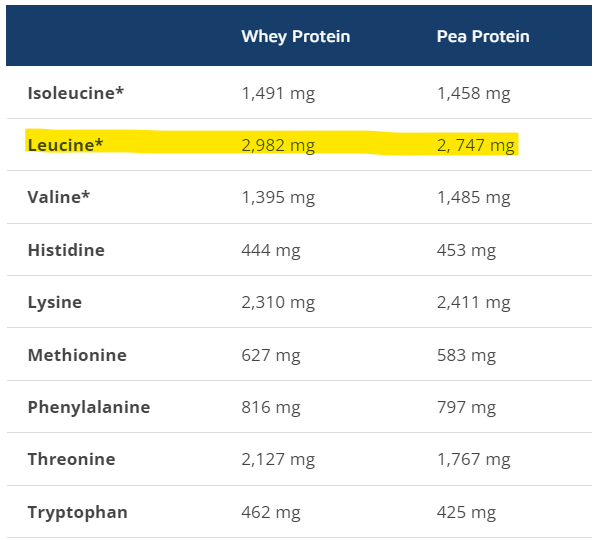
Credit: medium.com
Allergen Considerations
When choosing a protein supplement, allergen considerations are important. Some proteins can trigger allergies. Understanding these allergens helps avoid unwanted reactions. Pea and whey proteins are common choices. Each has unique allergen profiles. Let’s explore these further.
Whey Allergies
Whey protein comes from milk. Some people are allergic to milk proteins. These allergies can cause issues. Symptoms may include hives, digestive problems, or even anaphylaxis. It’s crucial to know if you’re sensitive to dairy. Testing can confirm a whey allergy.
Pea Protein Tolerance
Pea protein is plant-based. It offers a hypoallergenic alternative. Rarely does it cause allergic reactions. It’s free from common allergens like dairy and soy. This makes it suitable for many people. Pea protein is an excellent choice for those with allergies.
Taste And Texture
When choosing between pea protein and whey, taste and texture play a crucial role in your decision. Pea protein has gained popularity not just for its nutritional benefits but also for its unique taste and texture. These elements can significantly impact your overall experience, whether you’re mixing it into a smoothie or baking it into a healthy snack.
Flavor Variations
Pea protein offers a mild, earthy flavor. Some people find it refreshing, while others may take time to adjust. It’s often described as more natural compared to the creamy and sometimes overly sweet flavor of whey protein.
If you enjoy experimenting with flavors, pea protein is versatile. You can enhance it with ingredients like vanilla extract, cocoa powder, or fruits to create a taste that’s uniquely yours.
Mixability
Mixability can make or break your protein shake experience. Pea protein tends to be slightly grainier than whey, but it mixes well in liquids if you give it a good shake or blend.
Try using a blender rather than a shaker bottle for a smoother consistency. Have you ever considered adding it to soups or sauces for a protein boost? Pea protein’s texture makes it an excellent addition without altering the dish significantly.
Cost Analysis
Evaluating pea protein and whey protein involves a cost analysis focusing on affordability and nutritional value. Pea protein often offers a budget-friendly option, while whey might provide higher protein content per serving. Consider overall dietary needs and cost efficiency when choosing between these proteins.
Cost is a significant factor when deciding between pea protein and whey protein. Both options have their advantages, but understanding their price points and value for money can help you make an informed choice. Let’s dive into a detailed cost analysis to see which protein might be the better investment for you.Price Comparison
When you check the shelves or browse online, you’ll notice that whey protein typically costs more than pea protein. A standard tub of whey can range anywhere from $30 to $60 depending on the brand and quantity. Pea protein is often priced lower, with many options available between $20 and $40. This affordability can be particularly appealing if you’re on a tight budget or just exploring new protein sources.Value For Money
Despite the lower price, is pea protein truly worth your money? You might think that a cheaper price means lower quality, but that’s not always the case. Pea protein is a complete protein, meaning it contains all nine essential amino acids. Moreover, pea protein is plant-based, making it a great option for those who are lactose intolerant or following a vegan lifestyle. It offers a high-quality nutritional profile without the risk of dairy-related side effects. Do you get what you pay for with whey? Whey protein is popular for its quick absorption and rich amino acid profile. However, if you are sensitive to lactose or prefer a plant-based diet, the extra cost might not bring additional value. In the long run, think about your lifestyle and dietary needs. Are you paying for features you don’t need, like rapid absorption or specific amino acids that pea protein also provides? Ultimately, both proteins offer unique benefits. Your choice should align with your health goals and budget.Frequently Asked Questions
Which Is Better Pea Protein Or Whey Protein?
Pea protein is plant-based and suitable for vegans. Whey protein is animal-based and absorbed faster. Choose based on dietary preference and digestion needs. Both support muscle growth and recovery.
Can You Build Muscle With Pea Protein?
Yes, you can build muscle with pea protein. It is rich in essential amino acids, aiding muscle growth. Pea protein is a great plant-based alternative for muscle development. Ensure a balanced diet and regular exercise for optimal results.
Is There A Downside To Pea Protein?
Pea protein can cause digestive issues for some people, like bloating or gas. It may lack certain essential amino acids. Individuals with allergies to peas should avoid it. Always consult with a healthcare professional before making significant dietary changes.
What Is The Healthiest Type Of Protein Powder?
The healthiest protein powder depends on individual needs. Options include whey, pea, and brown rice. Whey is rich in amino acids, pea is plant-based, and brown rice is hypoallergenic. Choose based on dietary preferences and fitness goals. Always check for added sugars and artificial ingredients.
Conclusion
Pea protein and whey both offer great benefits for health. Each has unique advantages. Pea protein suits vegans and those with dairy allergies. Whey protein provides quick absorption for muscle recovery. Choice depends on personal goals and dietary needs. Consider taste, digestion, and nutrient content.
Both proteins can support fitness and wellness. Experiment with both to find your preference. Balance them according to your lifestyle. Make informed decisions for better nutrition. Enjoy the journey towards a healthier you.