
Are you trying to decide between pea protein and whey protein for your fitness journey? Choosing the right protein can be overwhelming with so many options out there.
Your choice can impact your energy levels, muscle growth, and even how you feel day-to-day. But don’t worry, you’re not alone in this decision. Many people are asking the same question: Is pea protein or whey protein better for you?
With this article, you’ll discover the unique benefits of each, and find out which one aligns with your personal health goals. Stay with us, because understanding these differences could be the game-changer you’ve been looking for in your nutrition plan.
Protein Basics
Proteins are essential building blocks in our diet. They help repair tissues and create enzymes. Both pea and whey proteins are popular choices. Understanding their basics can guide your choice.
What Is Pea Protein?
Pea protein is derived from yellow peas. It is plant-based and vegan-friendly. Many people choose it due to its hypoallergenic nature. It offers a good amino acid profile. Pea protein supports muscle growth and repair. It is also rich in iron.
What Is Whey Protein?
Whey protein comes from milk. It is a by-product of cheese production. Whey is popular among athletes for muscle building. It contains all essential amino acids. Whey protein digests quickly, providing rapid results. It is often favored for post-workout recovery.
Credit: medium.com
Nutritional Comparison
Choosing between pea protein and whey protein depends on dietary needs. Pea protein is plant-based, suitable for vegans. Whey protein offers a complete amino acid profile, ideal for muscle growth. Each has unique benefits.
Choosing between pea protein and whey protein can be a tough decision. Understanding their nutritional profiles can help you make an informed choice. Let’s dive into the key nutritional components of each.Amino Acid Profile
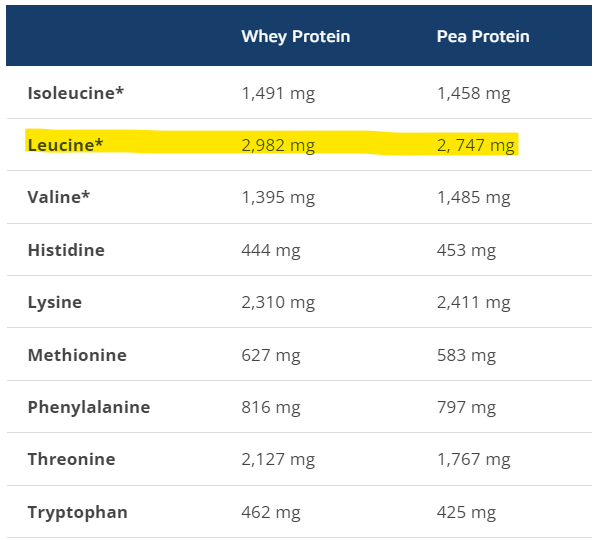
Pea protein and whey protein differ significantly in their amino acid profiles. Whey protein is a complete protein, meaning it contains all nine essential amino acids your body needs. It is particularly high in branched-chain amino acids (BCAAs) like leucine, which is crucial for muscle growth. Pea protein, while not a complete protein on its own, is rich in essential amino acids like lysine. Combining pea protein with other plant-based proteins can provide a complete amino acid profile. This is a great option if you are looking to diversify your protein sources.Protein Content
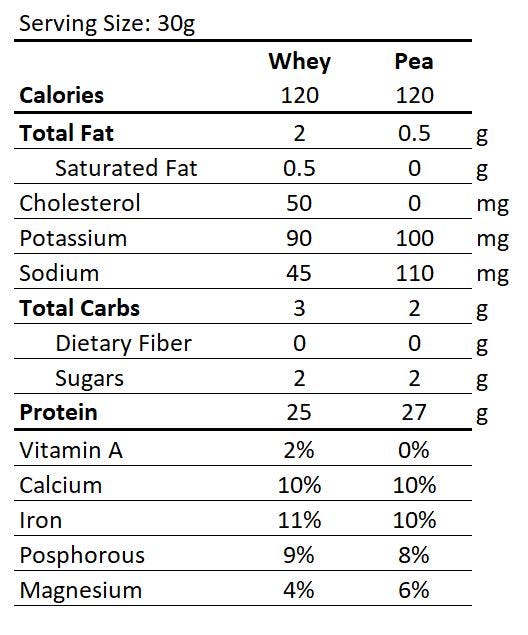
When comparing protein content, whey protein typically comes out on top. A standard serving of whey protein powder usually offers around 20-30 grams of protein. This makes it a powerful option for those looking to boost their protein intake quickly. Pea protein, on the other hand, generally provides around 15-25 grams per serving. While slightly lower, it’s still a solid choice, especially if you prefer plant-based nutrition. Consider your protein goals and dietary preferences when making a choice.Vitamins And Minerals
Whey protein often contains added vitamins and minerals, which can be beneficial. For instance, it’s common to find calcium and vitamin D in whey protein powders, supporting bone health. Pea protein is naturally rich in iron, making it an excellent option for those following a plant-based diet. However, it may not have as many added vitamins and minerals as whey protein. Consider what additional nutrients you might need from your protein source. Ultimately, the best choice depends on your dietary needs and lifestyle. Are you focusing on muscle gain, or are you looking for plant-based nutrition? Understanding these nutritional components can guide you toward the right protein supplement for your journey.Digestibility And Absorption
Choosing between pea protein and whey protein often boils down to digestibility and absorption. These factors determine how well your body can use the protein you consume. Understanding digestibility and absorption rates can help you make an informed decision. Let’s dive into how each protein type performs in these areas.
Digestibility Of Pea Protein
Pea protein is known for its moderate digestibility. It’s derived from yellow split peas, making it plant-based. This protein contains essential amino acids, though in varying amounts. Some people find plant proteins easier on the stomach. The fiber content in peas can sometimes slow digestion. But this slower digestion can be beneficial. It may help you feel full longer.
Digestibility Of Whey Protein
Whey protein comes from milk, making it animal-based. It is highly digestible due to its complete amino acid profile. Many athletes prefer whey for its quick absorption. It supports muscle recovery after workouts. Whey is often considered easier to digest for those without lactose issues. Its rapid digestion can lead to faster nutrient availability. This can be ideal for post-exercise nutrition.
Absorption Rates
Absorption rates differ between pea and whey protein. Whey is quickly absorbed, often within an hour. This is due to its simple structure and animal origin. Quick absorption is key for muscle repair after exercise. Pea protein absorbs at a slower rate. The fiber in peas may delay absorption slightly. But this slower rate can aid in sustained energy release. It’s a plus for those seeking long-lasting fullness.
Health Benefits
Choosing between pea protein and whey protein can be challenging. Both offer unique health benefits. Let’s dive into how each supports your health.
Muscle Growth
Whey protein is known for promoting muscle growth. It contains all essential amino acids. This makes it a complete protein. It absorbs quickly, fueling muscles after workouts. Pea protein is also effective for muscle growth. It’s rich in branched-chain amino acids. These help repair and build muscle tissue. While not as fast-absorbing as whey, pea protein is still a solid choice.
Weight Management
Protein plays a key role in weight management. Whey protein can help reduce hunger. It increases the feeling of fullness, aiding in portion control. Pea protein is also beneficial for weight management. It’s high in fiber, which can help keep you full longer. Fiber slows digestion, reducing calorie intake naturally.
Heart Health
Heart health is crucial. Pea protein may lower blood pressure. It contains peptides that help improve heart function. It’s also cholesterol-free. This makes it a heart-friendly choice. Whey protein can also support heart health. It may help reduce bad cholesterol levels. Keeping cholesterol in check is vital for heart health.
Dietary Considerations
Choosing between pea protein and whey protein often boils down to personal dietary needs and restrictions. Each type of protein offers unique benefits that cater to different lifestyles and health considerations. Understanding these dietary factors can help you make an informed decision about which protein best aligns with your nutritional goals.
Vegan And Vegetarian Needs
If you follow a vegan or vegetarian lifestyle, pea protein is a clear winner. As a plant-based source, it fits seamlessly into diets that avoid animal products. Pea protein is derived from yellow split peas, providing a sustainable and ethical protein option. Have you ever wondered about the environmental impact of your protein choice? Pea protein is often seen as more eco-friendly compared to animal-based proteins.
Lactose Intolerance
For those who are lactose intolerant, whey protein can pose a challenge due to its dairy origins. Pea protein, being plant-based, naturally contains no lactose, making it a suitable choice if you experience discomfort with dairy products. Imagine enjoying a protein shake without the worry of digestive issues! This is a major advantage of choosing pea protein over whey.
Allergen Concerns
Allergens are another vital consideration. Whey protein is derived from milk, which can be problematic for those allergic to dairy. Pea protein, on the other hand, is free from common allergens like dairy, soy, and gluten. Have you checked the ingredient list for hidden allergens? With pea protein, you have less to worry about, offering peace of mind for allergy sufferers.

Credit: www.instagram.com
Environmental Impact
Pea protein has a smaller carbon footprint compared to whey protein. It requires less water and energy for production. This makes it a more eco-friendly choice for environmentally conscious consumers.
The environmental impact of your protein choice is more significant than you might think. By understanding how pea and whey protein affect the planet, you can make a more informed decision. Let’s dive into the sustainability of each.Sustainability Of Pea Protein
Pea protein is a champion in sustainability. Peas require less water and land compared to other crops, making them an eco-friendly option. They also enrich the soil with nitrogen, reducing the need for synthetic fertilizers. The production process of pea protein involves fewer greenhouse gas emissions. This means a smaller carbon footprint, which is crucial in combating climate change. Imagine reducing your environmental impact just by switching your protein source! Moreover, peas are primarily grown in regions where deforestation is not a concern. This minimizes the risk of habitat destruction and supports biodiversity. Choosing pea protein supports a more sustainable agricultural system.Sustainability Of Whey Protein
Whey protein, on the other hand, poses some environmental challenges. It’s a byproduct of cheese production, which involves dairy farming—a sector known for high water usage and methane emissions. The dairy industry is linked to deforestation for pasture land, impacting wildlife habitats and carbon absorption. This makes whey protein less environmentally friendly compared to plant-based options. Additionally, transporting whey involves significant energy use. This adds to its carbon footprint, contributing to global warming. Are you supporting sustainability with your protein choice? By choosing more sustainable proteins, you can make a positive impact on the environment. Pea protein offers a greener alternative, aligning with a more eco-conscious lifestyle.Cost And Accessibility
Choosing between pea protein and whey protein depends on several factors. Cost and accessibility often influence this decision. Understanding the price and market availability helps make an informed choice. Let’s dive into these aspects.
Price Comparison
Pea protein is often more affordable than whey protein. This is due to its plant-based nature. Whey protein can be pricier, especially for high-quality products. Bulk buying often reduces costs for both types. Yet, pea protein usually remains the cheaper option.
Availability In Markets
Both proteins are widely available in stores and online. Whey protein is more common in mainstream outlets. It’s often found in supermarkets and fitness stores. Pea protein is popular in health-focused shops. It’s also available in vegan and organic sections. Finding either protein should not pose a major challenge.
Consumer Preferences
Consumer preferences play a crucial role in determining whether pea protein or whey protein is the better choice for you. While nutritional benefits are important, factors like taste, texture, and brand options often sway the final decision. Understanding these aspects can help you make a more informed choice that aligns with your lifestyle and goals.
Taste And Texture
Taste is subjective, yet it’s a significant factor when choosing between pea protein and whey protein. Whey protein is often praised for its creamy and smooth texture, making it a popular choice in shakes and smoothies. On the other hand, pea protein can sometimes have a slightly earthy or vegetal taste. However, many brands have improved their formulations to enhance the flavor profile, making it more palatable.
Texture also varies between the two. Whey tends to blend seamlessly, creating a silky consistency. In contrast, pea protein might require more effort to mix thoroughly due to its grainier texture. If you’ve ever tried both, you might have noticed how pea protein can sometimes feel a bit gritty. But don’t let that deter you; experimenting with different recipes can help you find the right balance.
Brand Options
The market is flooded with brands offering a wide range of protein supplements, each with unique flavors and formulations. Whey protein has been around longer, meaning there are more established brands with a variety of options. This can be advantageous if you’re looking for specific flavors or specialized formulations like meal replacements or energy boosters.
Pea protein is catching up quickly, with many brands focusing on organic and non-GMO options. This appeals to those prioritizing clean eating and sustainability. When choosing a brand, consider factors such as ingredient transparency and customer reviews. Have you checked whether the brand aligns with your values or dietary needs?
Ultimately, your choice between pea and whey protein depends on your personal taste preferences and how much you value brand reputation. Remember, what works for one person might not work for another, so don’t hesitate to try different brands until you find the perfect match.
Expert Opinions
When deciding between pea protein and whey protein, expert opinions offer valuable insights. Both options have their benefits, making the choice personal and goal-dependent. To help you make an informed decision, we gathered insights from nutritionists and fitness trainers.
Nutritionist Insights
Nutritionists emphasize the nutritional content of both proteins. Pea protein is plant-based and rich in essential amino acids. It’s a great option for vegans and those with lactose intolerance. It also contains iron, which is crucial for energy levels. Whey protein, on the other hand, is derived from milk. It’s famous for its high biological value and rapid absorption. This makes it ideal for muscle recovery post-workout.
Some nutritionists highlight the allergy potential of whey. For people with dairy allergies, pea protein is a safer choice. Pea protein is also easier on the stomach for many. It’s a gentle alternative for those with digestive issues.
Fitness Trainer Recommendations
Fitness trainers often recommend protein based on workout intensity and goals. Whey protein is popular among those seeking muscle gain. Its quick absorption helps in immediate muscle repair. Trainers often suggest it for post-workout consumption.
Pea protein is recommended for endurance athletes. Its slower absorption rate is beneficial during longer workouts. It provides sustained energy levels and supports muscle endurance.
Some trainers prefer pea protein for its plant-based nature. They argue it’s more aligned with a balanced and clean diet. This is especially true for those focusing on plant-based nutrition.
Credit: medium.com
Frequently Asked Questions
Is There A Downside To Pea Protein?
Pea protein may cause bloating or digestive discomfort for some individuals. It lacks certain amino acids, requiring varied protein sources for complete nutrition. Ensure product quality, as low-quality options might contain allergens or contaminants. Always consult a healthcare professional before making significant dietary changes, especially if you have food allergies or sensitivities.
What Is The Healthiest Type Of Protein Powder?
Whey protein isolate is considered the healthiest option due to its high protein content and low fat. Plant-based options like pea and hemp protein are also healthy, offering essential amino acids and being suitable for vegans. Always choose products with minimal additives and natural ingredients for optimal health benefits.
Is Pea Protein Better For Weight Loss?
Pea protein aids weight loss by promoting fullness and muscle maintenance. It’s low-calorie and supports lean mass. Choose pea protein for a plant-based option to support your weight loss goals. It’s suitable for vegans and helps in controlling appetite. Always pair it with a balanced diet and exercise for best results.
Is Whey Or Plant Protein Better For Losing Weight?
Both whey and plant protein can aid weight loss. Whey digests quickly, supporting muscle growth. Plant protein is rich in fiber, promoting fullness. Choose based on dietary preference and tolerance. Ensure a balanced diet and regular exercise for effective weight loss.
Consult a nutritionist for personalized advice.
Conclusion
Choosing between pea and whey protein depends on your needs. Both offer benefits. Pea protein is plant-based. It’s great for vegans. Whey protein supports muscle growth. It’s ideal after workouts. Consider allergies. Pea protein is lactose-free. Taste matters, too. Whey often mixes well.
Think about digestion. Pea protein might be gentler on the stomach. Budget can be a factor. Compare prices and servings. Each protein has its place. Understanding your body helps. Make the choice that fits your lifestyle.