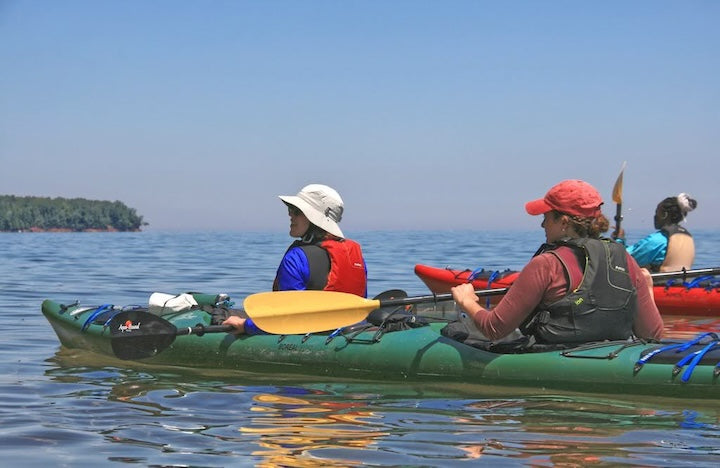
Imagine gliding across a serene lake or cutting through the gentle waves of a river, not alone, but with a friend or loved one by your side. This is the essence of tandem kayaking.
But what exactly are tandem kayaks, and why might they be the perfect choice for your next water adventure? If you’re curious about sharing the paddling experience, or if you’re simply looking for a fun, versatile way to explore the great outdoors, you’re in the right place.
This article will guide you through everything you need to know about tandem kayaks. From understanding their design to discovering the unique benefits they offer, you’ll soon see why these two-seater vessels are becoming a favorite among kayaking enthusiasts. Ready to find out if a tandem kayak is the right fit for you? Keep reading to unlock the secrets of this exciting watercraft.

Credit: vibekayaks.com
Tandem Kayaks Explained
Tandem kayaks are a fantastic way to explore water bodies with a friend or family member. These kayaks are designed for two people, offering an opportunity to share the paddling experience and enjoy the great outdoors together. Whether you’re kayaking on serene lakes or tackling gentle rapids, a tandem kayak can make the adventure more enjoyable and memorable.
What Is A Tandem Kayak?
A tandem kayak is essentially a kayak built for two paddlers. Unlike solo kayaks, these have two seats and often come with two sets of paddles. They are longer and wider, offering stability and space for two.
Many tandem kayaks also feature adjustable seats, allowing for customization based on the paddlers’ comfort. This makes them a great option for people of different heights and sizes.
Benefits Of Tandem Kayaks
One of the main advantages is shared paddling, which makes it easier to maneuver the kayak. This is especially helpful for beginners who might find solo kayaking challenging.
Another benefit is the social aspect. Paddling together can strengthen relationships and provide a shared sense of accomplishment. Imagine gliding through the water with your loved one, sharing laughs and creating memories.
Types Of Tandem Kayaks
There are various types of tandem kayaks, including sit-on-top and sit-inside models. Sit-on-top kayaks are great for warm weather, offering easy entry and exit. They are also self-bailing, meaning water drains out automatically.
Sit-inside kayaks, on the other hand, provide more protection from the elements and are ideal for cooler climates. They can offer a drier ride and are often preferred for longer trips.
Considerations When Choosing A Tandem Kayak
Think about the type of water you’ll be exploring. For calm lakes, a recreational tandem kayak might be sufficient. If you’re planning to venture into rougher waters, you might need a more robust design.
Also, consider the weight capacity and storage options. Ensure your chosen kayak can comfortably accommodate both paddlers and any gear you plan to bring along.
Have you ever tried a tandem kayak? If not, it might be time to give it a go and experience the joy of kayaking with a partner.
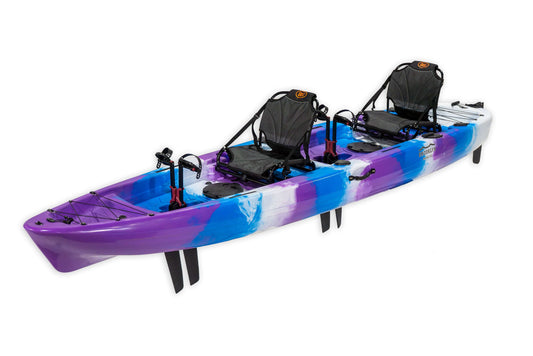
Credit: brooklynkayakcompany.com
Benefits Of Tandem Kayaking
Tandem kayaks offer a shared paddling experience, enhancing teamwork and bonding on the water. They provide stability, making them ideal for beginners and families. Enjoy scenic views together and create lasting memories on your kayaking adventures.
Tandem kayaking offers a unique experience on the water. Sharing a kayak with another person can enhance the adventure. It brings people closer, both physically and emotionally. Paddling together builds teamwork and communication skills. This shared activity is great for bonding, whether with friends, family, or partners.Improved Teamwork
Tandem kayaking requires cooperation. Paddlers must work in sync. This improves teamwork skills. It’s a fun way to learn collaboration. Each stroke must be harmonious. This ensures smooth navigation. Working together enhances the kayaking experience.Shared Effort
Paddling can be tiring alone. Tandem kayaking shares the workload. Both paddlers contribute to moving the kayak. This makes the journey easier. It’s less physically demanding. Sharing the effort allows longer trips. It’s perfect for exploring more areas.Enhanced Communication
Communication is vital in tandem kayaking. Paddlers must talk about directions. They discuss the pace and rhythm. This strengthens verbal skills. It encourages clear and effective conversation. Communication leads to successful navigation. It makes the kayaking experience enjoyable.Safety In Numbers
Kayaking with a partner enhances safety. Two people can handle emergencies better. They can assist each other if needed. It’s comforting to have someone nearby. This increases confidence in challenging waters. Safety is a key benefit of tandem kayaking.Bonding Experience
Tandem kayaking creates lasting memories. Shared adventures bring people closer. It’s a bonding experience. Paddlers enjoy nature together. They share laughter and challenges. This strengthens relationships. Kayaking becomes a special shared activity.Choosing The Right Tandem Kayak
Tandem kayaks are designed for two paddlers, ideal for family adventures or exploring with a friend. These kayaks offer stability and ample space, making them perfect for novices and seasoned kayakers alike. Selecting the right tandem kayak involves considering weight capacity, comfort, and ease of handling.
Choosing the Right Tandem Kayak Selecting the perfect tandem kayak is more than just picking a boat that looks good on the water. It involves considering various factors that ensure you get the most out of your kayaking adventures. The right kayak will enhance your experience, providing both comfort and performance.Material Considerations
The material of a tandem kayak greatly affects its performance and durability. Plastic kayaks, made from polyethylene, are often more affordable and rugged, suitable for beginners or those likely to encounter rough conditions. However, they are heavier and might not glide as smoothly as other materials. Fiberglass and composite kayaks offer a sleeker performance, being lighter and faster. They are perfect for those who prioritize speed and efficiency but come with a higher price tag. Inflatable kayaks, made from high-quality PVC or rubber, are easy to transport and store. They are surprisingly durable and a great option for those with limited storage space.Size And Weight Factors
Size and weight are crucial in determining how easy the kayak will be to transport and use. A longer kayak typically provides better speed and tracking. However, it might be more challenging to maneuver in tight spaces. Consider the combined weight of the kayak and gear. Can you and your partner carry it comfortably? Remember, the kayak should support your total weight, including gear and any additional items you might bring along.Features To Look For
When choosing a tandem kayak, certain features can significantly enhance your experience. Look for adjustable seats to ensure comfort on long paddling trips. Comfortable seating can make or break your kayaking adventure. Check for ample storage options for gear, whether you’re planning a day trip or an overnight expedition. Waterproof storage is especially valuable. Consider the kayak’s stability. If you plan on fishing or taking photos, a stable kayak allows for a steadier experience. Reflect on your kayaking goals and choose features that align with them. What will make your time on the water more enjoyable and memorable?Tandem Kayaking Techniques
Tandem kayaks are boats designed for two people, offering a fun way to explore water together. They require teamwork for paddling and steering efficiently. These kayaks are longer and more stable than single kayaks, making them ideal for beginners.
Tandem kayaking offers a unique experience. It requires teamwork and coordination. Two paddlers must work together for a smooth ride. Proper techniques enhance the experience. They make paddling more efficient and enjoyable. Let’s explore some essential tandem kayaking techniques.Paddling Coordination
In tandem kayaking, paddling coordination is key. Both paddlers should synchronize their strokes. This means paddling at the same rhythm. One person, usually at the back, sets the pace. The front paddler matches this pace. This keeps the kayak moving straight. It’s important to maintain a steady rhythm. Avoid sudden changes in speed. Practice makes perfect. Start slow and gradually increase speed. This builds confidence and improves coordination.Communication Tips
Effective communication is crucial in tandem kayaking. Always talk to your partner. Discuss the route and any obstacles. Use simple signals or words. Agree on terms before starting. For turns, clear communication is vital. Decide who will steer. Share any discomfort or fatigue. This helps in balancing effort. Stay calm and patient with each other. Good communication ensures a pleasant kayaking experience. It strengthens teamwork and understanding.Safety Tips For Tandem Kayaking
Tandem kayaks are designed for two paddlers to enjoy the water together. They offer stability and teamwork for both beginners and experienced kayakers. Sharing a kayak requires coordination and communication, making it a fun and safe way to explore lakes and rivers.
Tandem kayaking can be an exhilarating adventure, whether you’re paddling through serene lakes or navigating gentle rivers. However, it’s crucial to keep safety in mind to ensure a fun and secure experience. By being prepared and informed, you can focus on enjoying the journey with your kayaking partner.Wear A Life Jacket
Ensure everyone in the kayak wears a properly fitted life jacket. It might seem bulky, but it’s a non-negotiable safety measure. In an unexpected spill, a life jacket can be a lifesaver.Communicate With Your Partner
Clear communication is key in tandem kayaking. Discuss your paddling strategy and signals before you start. This coordination helps in steering and maintaining balance.Check The Weather
Always check the weather forecast before heading out. Avoid kayaking in stormy or windy conditions. Calm weather enhances safety and the overall experience.Understand The Water
Familiarize yourself with the waterbody you’ll be kayaking in. Are there strong currents or obstacles like rocks and trees? Knowing these details helps you navigate safely.Use Proper Equipment
Inspect your kayak and paddles for any damage before setting out. A small crack or faulty paddle can lead to big trouble on the water. Ensure everything is in good working condition.Practice An Emergency Plan
Discuss and practice what to do in case of an emergency. Knowing how to handle a capsize or assist a partner enhances safety. It builds confidence in your kayaking skills.Start In Calm Waters
If you’re new to tandem kayaking, start in calm waters. This allows you to practice steering and paddling techniques without strong currents or waves. As your skills improve, you can take on more challenging environments. Remember, safety first makes for the best adventures. Are you ready to share this incredible experience with your kayaking partner?Popular Tandem Kayak Destinations
Exploring tandem kayak destinations offers thrilling experiences. Tandem kayaking is perfect for shared adventures. Discovering popular spots enriches the experience. Each location provides unique challenges and beauty. Below are some renowned tandem kayak destinations.
Rivers And Lakes
Rivers offer diverse kayaking experiences. Paddle through calm waters or tackle rapids. Scenic beauty surrounds you as you glide along. Popular rivers include Colorado and Hudson. Lakes provide serene environments for kayaking. Lake Tahoe and Lake Powell are top picks. Clear waters and stunning views await.
Coastal Adventures
Coastal kayaking brings oceanic excitement. Explore rocky shores and hidden coves. Wildlife sightings are common along the coast. The California coastline is a favorite spot. Maine’s rugged coast is another destination. Enjoy panoramic ocean views and fresh air.
Maintaining Your Tandem Kayak
Tandem kayaks are designed for two paddlers, offering a shared adventure on the water. Keeping your kayak clean and dry helps prolong its life. Regularly check for any damage to ensure safety and smooth paddling experiences.
Maintaining your tandem kayak ensures it remains in top condition. Proper care extends its lifespan and improves your paddling experience. Regular maintenance keeps your kayak ready for new adventures.Cleaning And Storage
Cleaning is crucial to maintain your kayak’s performance. After each trip, rinse it with fresh water. This removes salt, mud, and debris. Use mild soap for stubborn stains. Avoid harsh chemicals that damage the surface. Dry your kayak thoroughly before storing. Moisture can lead to mold and mildew. Find a cool, dry place for storage. Use a kayak cover to protect it from dust and sunlight. Proper storage prevents wear and tear over time.Repair And Upkeep
Inspect your kayak regularly for any damage. Check for scratches, dents, or cracks. Small issues can lead to bigger problems. Use repair kits for minor fixes. Follow instructions carefully for best results. Check the hardware like seats and footrests. Tighten any loose screws or bolts. Replace worn-out parts promptly. Keep your kayak in good shape for safety and enjoyment. Regular maintenance ensures your tandem kayak stays reliable. Happy paddling!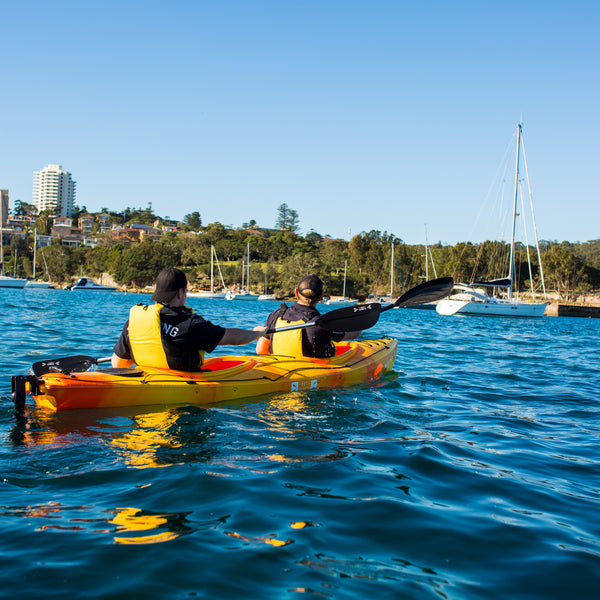
Credit: www.baysports.com.au
Frequently Asked Questions
What Is The Difference Between A Kayak And A Tandem Kayak?
A kayak is designed for one person, while a tandem kayak accommodates two. Tandem kayaks are longer, offering more stability. They are ideal for couples or friends wanting to paddle together. Single kayaks allow for more maneuverability and independence on the water.
Do Tandem Kayaks Flip Easily?
Tandem kayaks are generally stable and less likely to flip due to their wider design. Proper balance and technique reduce flipping risk. Always practice safety measures and wear life jackets while kayaking.
Why Are Tandem Kayaks Called Divorce Boats?
Tandem kayaks are humorously called divorce boats due to potential disagreements between paddlers. Miscommunication can lead to frustration, as coordination is crucial. Successful tandem kayaking requires teamwork, balance, and patience. Despite the nickname, many couples enjoy tandem kayaking without issues, strengthening their bond through shared adventure.
What Is A Tandem Kayak Used For?
A tandem kayak is used for paddling with a partner, offering stability and shared paddling efforts. Ideal for beginners, families, and couples, it enhances teamwork and communication. Perfect for recreational activities on lakes, rivers, and calm seas, providing a fun and collaborative kayaking experience.
Conclusion
Tandem kayaks offer a fun way to explore water with a friend. They provide stability and are great for beginners. Sharing the paddling makes it less tiring. You can enjoy nature and have conversations along the way. Tandem kayaks are available in different styles and sizes.
Choose one that fits your needs and preferences. Always consider safety and wear life jackets. Renting before buying might be a good idea. Enjoy the adventure and make wonderful memories on the water. Tandem kayaking is a rewarding experience for many.