Imagine gearing up for battle, whether it’s a medieval reenactment, a competitive sport, or just a day in the great outdoors. You slip into your armor, ready to face whatever challenges lie ahead.
But, before you do, there’s one crucial question: what do you wear underneath? The right undergarments can make all the difference in your comfort, performance, and even safety. If you’ve ever felt the pinch of ill-fitting gear or the discomfort of sweat-soaked clothes, you know how important it is to get this right.
Your choice in under-armor clothing can elevate your experience, making you feel invincible. But with so many options out there, how do you decide? We’ll explore the best choices for what to wear under armor, ensuring you stay comfortable, agile, and ready for anything. Get ready to discover how a small change can have a big impact on your performance and well-being. Keep reading, because this information could transform your adventures into triumphant victories.
Base Layers
Under armor, wear base layers to keep warm and dry. These layers wick moisture, providing comfort and protection. Choose breathable fabrics for better performance and flexibility during physical activities.
Base layers are essential for comfort under armor. They keep you warm or cool, depending on the conditions. A good base layer will wick moisture away from the skin, keeping you dry. Choosing the right base layer can enhance your performance. Let’s explore the importance of material choices and temperature regulation in base layers.Material Choices
Different materials offer various benefits. Synthetic fabrics like polyester are popular for their moisture-wicking properties. They draw sweat away from the skin, keeping you dry. Merino wool is another option, known for its natural warmth and breathability. It’s soft on the skin and manages moisture well. Cotton is less ideal as it absorbs sweat, making you feel wet and cold. Consider the activity and weather when choosing your base layer material.Temperature Regulation
Base layers help regulate body temperature. In cold weather, they trap heat close to the body, keeping you warm. Materials like wool insulate well, even when wet. For hot conditions, lightweight and breathable fabrics are best. They allow air circulation, cooling the body naturally. Choose base layers that match the climate and intensity of your activity. Adjust layers as needed to maintain comfort throughout the day.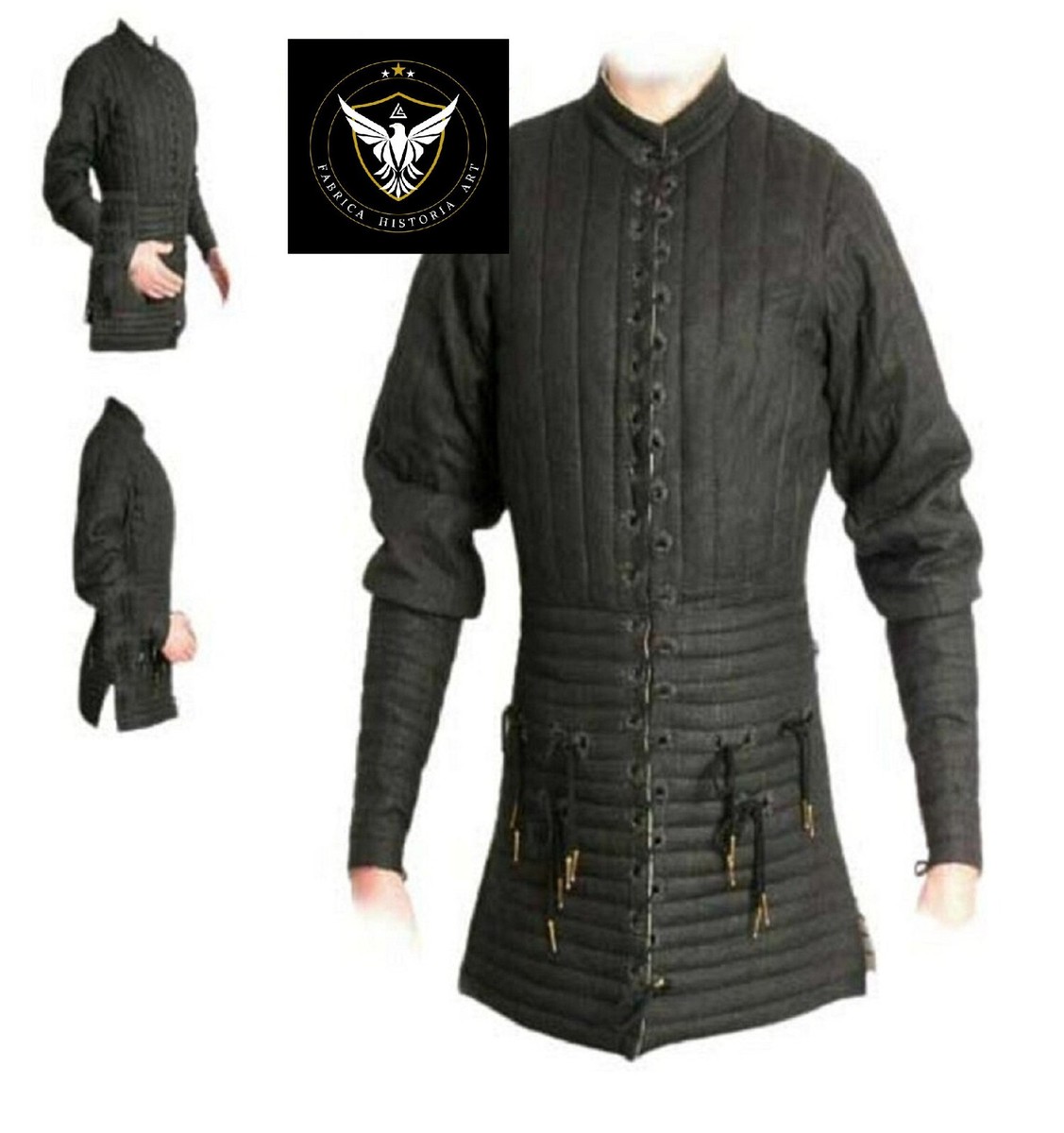
Credit: www.ebay.com
Mid Layers
Mid layers are essential for comfort and protection under armor. They provide warmth, wick moisture, and enhance mobility. Choose breathable materials like merino wool or synthetic fibers for optimal performance.
Mid layers are crucial for staying comfortable under armor. They provide extra warmth, help manage moisture, and improve overall comfort. Choosing the right mid layer can significantly impact your performance and comfort level. Let’s explore the key factors for selecting mid layers: insulation options and mobility considerations.Insulation Options
Choosing the right insulation is essential for temperature regulation. There are several types of insulation materials available:- Fleece:Lightweight and breathable, ideal for moderate temperatures.
- Down:Offers excellent warmth for cold conditions, but less effective when wet.
- Synthetic:Provides warmth even when damp, making it versatile for various conditions.
Mobility Considerations
Mobility is vital for maintaining performance. Mid layers should not restrict movement. Look for stretchable fabrics that allow easy movement. Articulated sleeves and gusseted underarms enhance flexibility. Lightweight materials prevent feeling bulky, ensuring comfort in active situations. Prioritize mid layers that balance warmth and freedom of movement. This ensures you remain agile and comfortable during any activity.Outer Layers
Wearing the right outer layers enhances comfort and protection. These layers act as a shield against harsh weather and environmental conditions. Choosing the appropriate material and design is crucial for maintaining optimal body temperature. Let’s explore the essentials for selecting outer layers.
Waterproofing Needs
Outer layers should protect against rain and snow. Waterproof fabrics keep you dry during wet conditions. Look for materials like Gore-Tex or similar waterproof technologies. These fabrics block water but allow moisture to escape. Sealed seams and zippers add extra waterproof protection. They prevent water from seeping into your clothing. This ensures you stay dry and comfortable.
Breathability Factors
Breathability is crucial for regulating body temperature. Choose fabrics that allow air to circulate. This prevents overheating during intense activities. Look for outer layers with ventilation features. Mesh panels or pit zips enhance breathability. They allow excess heat and moisture to escape. Breathable fabrics keep you dry from sweat. This reduces the risk of getting cold from dampness.

Credit: www.amazon.com
Layering Techniques
Under armor, wear moisture-wicking base layers to stay dry and comfortable. Choose materials like polyester or merino wool for optimal breathability. These fabrics help regulate body temperature and reduce chafing during movement.
Layering techniques play a crucial role in maximizing comfort and performance under armor. Proper layering keeps you warm, agile, and ready for action. Different environments require specific layering strategies. Let’s explore how you can layer for warmth and flexibility.Layering For Warmth
Cold environments demand effective layering to keep your body warm. Start with a moisture-wicking base layer. This layer keeps sweat away from your skin. It helps maintain dryness and comfort. A thermal mid-layer is next. Choose materials like fleece or wool for insulation. They trap heat without adding bulk. The outer layer should be wind-resistant and waterproof. It shields you from harsh weather. Remember, each layer should fit comfortably. Avoid tight or loose garments for optimal warmth.Layering For Flexibility
Flexibility is key in active situations. Your layers should allow free movement. Begin with a lightweight base layer. It should be stretchy and breathable. This prevents restriction during activity. A flexible mid-layer follows. Look for materials that stretch with your movements. Ensure they offer moderate warmth without hindering motion. The outer layer must be adjustable. Zippered jackets or vests are ideal. They allow quick changes based on activity level. Proper layering enhances agility while maintaining protection.Seasonal Adjustments
Seasonal adjustments are crucial when considering what to wear under armor. Whether you’re gearing up for a summer skirmish or a winter battle, your comfort and mobility depend on choosing the right layers. The wrong clothing can affect performance, leading to unnecessary distractions on the field. Let’s dive into how you can layer effectively for different seasons.
Summer Layering
Summer calls for breathable and lightweight materials. Imagine being sweltering in the sun with heavy fabrics weighing you down. Opt for moisture-wicking fabrics that draw sweat away from your skin. These can keep you cool and dry, preventing heat rash and chafing.
- Choose a thin, fitted base layer to minimize bulk under armor.
- Consider mesh inserts for added ventilation in high-sweat areas.
- Light colors can reflect sunlight, keeping you cooler.
Have you ever thought about how your choice of under armor affects your endurance? Lightweight gear can make all the difference in maintaining energy levels during long hours outdoors.
Winter Layering
When temperatures drop, insulation becomes your best friend. You need to stay warm without sacrificing mobility. Layering is key, allowing you to adjust as needed during fluctuating conditions.
- Start with a thermal base layer to trap heat close to the body.
- Add a mid-layer like fleece for extra warmth without bulk.
- Consider compression garments for improved blood circulation.
Have you ever found yourself chilled to the bone, unable to focus on anything but the cold? The right layers can help you maintain focus and performance, even in the harshest winter conditions.
Remember, the best under-armor strategy involves adapting to the season. Keep these tips in mind, and you’ll be ready for whatever the weather throws your way.
Accessories
Armor does more than just protect the body; it needs support from accessories to enhance its functionality. Accessories under armor can improve comfort, performance, and safety. Each accessory serves a unique purpose, ensuring you are well-equipped for any challenge. Learn about the best accessories for your armor setup below.
Hats And Gloves
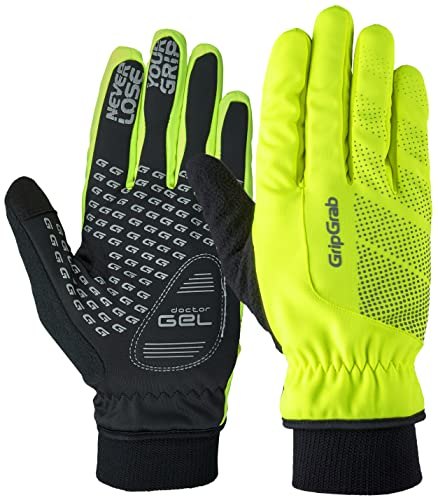
Hats provide head protection, keeping you shielded from harsh conditions. Select hats with moisture-wicking properties to stay dry. Breathability is crucial for comfort during long wear. Gloves protect your hands and enhance grip. Choose gloves that fit snugly without restricting movement. Materials like leather offer durability and flexibility.
Footwear Choices
Footwear under armor is essential for stability and support. Boots with reinforced soles provide protection on uneven terrain. Opt for shoes with good traction to prevent slipping. Comfort is key, so ensure they fit well and offer cushioning. Waterproof options keep feet dry in wet environments, crucial for extended wear.

Credit: www.tapovanvidhyalay.in
Frequently Asked Questions
What Do People Wear Underneath Armor?
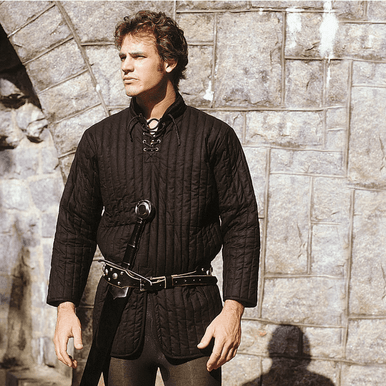
People wear padded garments like gambesons underneath armor for comfort and protection. These layers prevent chafing and absorb sweat. Chainmail users often wore arming doublets or shirts. Such undergarments enhance mobility and reduce injury risks. Proper underlayers ensure armor fits well and functions effectively in battle.
What Did People Wear Under Their Armor?
People wore padded garments called gambesons under their armor. These provided cushioning and protection. Knights often added chainmail for extra defense. Linen or wool shirts were common for comfort. This underlayer helped absorb sweat and prevented chafing. Proper undergarments ensured better mobility and effectiveness in battle.
What Is The Dress Code At Under Armour?
Under Armour’s dress code is casual and comfortable. Employees typically wear branded athletic apparel, promoting an active lifestyle.
What Are The Clothes Beneath Armor Called?
The clothes beneath armor are called gambeson or arming doublet. They provide padding and comfort. These garments help absorb impact and prevent chafing from the metal armor. Historically, they were made from quilted or padded materials. Gambesons were essential for knights and soldiers.
Conclusion
Choosing the right gear beneath your armor matters. Comfort and protection are key. Breathable fabrics keep you cool and dry. They prevent irritation during movement. Opt for moisture-wicking materials. These help manage sweat efficiently. Avoid bulky layers; they restrict motion.
Lightweight designs offer better flexibility. Proper fit is essential for comfort. Tight clothing may cause discomfort. Loose garments can lead to chafing. Invest in quality to ensure durability. Your choice impacts your performance significantly. Remember, comfort leads to confidence. Confidence enhances your game.
Make smart decisions for optimal results. Feel prepared and ready for action.