
Ever found yourself puzzled by the term “kayak scupper”? You’re not alone.
This seemingly small component plays a significant role in your kayaking experience, yet many people overlook its importance. Imagine paddling through serene waters, confident that your kayak is designed to keep you dry and stable. Understanding what a kayak scupper is, and how it functions, can elevate your kayaking adventures to a new level of comfort and enjoyment.
Let’s dive into the details and discover why this little feature is crucial for every kayaking enthusiast. Whether you’re a seasoned paddler or just starting out, knowing about kayak scuppers will enhance your time on the water.
Kayak Scupper Basics
Kayak scuppers are essential components for anyone who loves paddling on the water. These small holes in the bottom of sit-on-top kayaks are designed to keep you afloat by allowing water to drain out. Understanding their function can enhance your kayaking experience, keeping you dry and comfortable. Let’s dive into the basics of kayak scuppers and how they can impact your adventure on the water.
What Are Kayak Scuppers?
Kayak scuppers are essentially drain holes that allow water to flow out of the kayak. They are typically found in sit-on-top kayaks and are integral for self-draining. Without them, water would accumulate, making your ride heavier and potentially unstable.
How Do Scuppers Work?
As you paddle, water might splash into your kayak. Scuppers use gravity to let this water escape back into the river or sea. This function is critical during rough waters or when rain adds extra weight to your kayak.
Why Are Scuppers Important?
Scuppers help keep you safe and comfortable by preventing water from pooling. This drainage system ensures your kayak remains buoyant and easy to maneuver. The last thing you want is to paddle in a kayak that’s heavy with water.
Can You Kayak Without Scuppers?
While it’s possible to kayak without scuppers, it’s not recommended for sit-on-top designs. The absence of scuppers would require constant manual draining, which can be cumbersome. Wouldn’t you rather focus on the serenity of paddling than bailing out water?
What Are Scupper Plugs?
Scupper plugs can be inserted into the scupper holes to prevent water from coming in. They are useful in calm waters or when you prefer a drier ride. However, they should be removed when you expect splashes or rain, ensuring water can drain out efficiently.
How To Maintain Scuppers?
Regularly check your scuppers for debris that might block them. Clean them before and after each trip to ensure smooth drainage. A simple rinse with fresh water can prevent clogging and prolong your kayak’s life.
Design And Structure
Kayak scuppers are small holes in the kayak’s bottom. They help drain water from the cockpit. Essential for keeping the kayak stable and dry.
Design and Structure Understanding the design and structure of a kayak scupper can elevate your kayaking experience. These small, often overlooked features serve a significant purpose in maintaining balance and buoyancy. If you’ve ever felt your kayak getting sluggish after a wave, you might appreciate how scuppers work to keep you afloat and dry.What Is A Kayak Scupper?
A kayak scupper is a small hole located in the bottom of the kayak. Its primary function is to allow water to drain out. This design keeps your kayak lighter and more maneuverable, even after taking on water. Scuppers are usually positioned strategically to ensure optimal drainage.Positioning Of Scuppers
Scuppers are typically found in the cockpit and cargo areas. This placement ensures that water is expelled from areas where you sit or store gear. Are your scuppers positioned correctly to maximize drainage? It’s worth checking before your next adventure.Material And Durability
Kayak scuppers are often made from sturdy materials like polyethylene. This ensures they can withstand pressure from both water and the weight of the kayak itself. Ever wondered why your kayak feels robust and reliable? The materials play a key role in this.Size And Shape Considerations
The size and shape of scuppers can vary. Larger scuppers drain water quickly but may compromise the kayak’s integrity. Smaller scuppers offer more stability but slower drainage. Have you ever noticed how quickly your kayak drains? The scupper size might be influencing it.Innovative Designs
Some kayaks feature innovative scupper designs, like self-bailing systems. These automatically manage water levels without manual intervention. Imagine kayaking without the constant need to adjust for water intake. Would that enhance your experience?Functionality In Kayaks
A kayak scupper is a small hole in the bottom of sit-on-top kayaks. It allows water to drain out, keeping the kayak buoyant and stable. Essential for safety, scuppers help prevent water accumulation during paddling.
Functionality in kayaks is crucial for enhancing your paddling experience. Understanding the components that make up your kayak can greatly impact your comfort and performance on the water. One such component is the kayak scupper, an often overlooked but essential feature that plays a significant role in your kayak’s functionality.What Is A Kayak Scupper?
Kayak scuppers are small holes located in the hull of sit-on-top kayaks. They serve a vital purpose by allowing water to drain out of the kayak, keeping you dry and your kayak buoyant. Without scuppers, water entering the kayak could accumulate and affect your stability.How Do Scuppers Work?
Scuppers use gravity to drain water from the kayak. When water splashes over the sides, it flows through these holes and back into the sea or lake. This self-bailing feature is particularly useful in choppy waters or when navigating through waves.Why Are Scuppers Important?
Scuppers help maintain balance and stability by preventing water accumulation. Imagine paddling through a sudden rain shower; scuppers ensure you won’t be sitting in a puddle. They also add to safety by reducing the risk of capsizing due to excess weight from water.Can You Paddle Without Scuppers?
You might wonder if scuppers are truly necessary. While you can paddle without them, doing so in a sit-on-top kayak without scuppers could lead to discomfort and potential safety issues. Scuppers provide peace of mind, allowing you to focus on the joy of paddling.Scupper Plugs: To Use Or Not To Use?
Scupper plugs can be inserted into the scupper holes to keep water out. They are ideal for calm waters where the risk of water entering is low. However, in rough conditions, leaving them open ensures efficient water drainage. Understanding scuppers and their role in kayak functionality can elevate your kayaking adventures. What features do you prioritize in your kayak for a better paddling experience?Benefits Of Scupper Holes
Kayak scupper holes allow water drainage, preventing accumulation inside the kayak. They enhance safety and stability while paddling. These holes maintain a dry seating area, ensuring comfort during extended water adventures.
When you own a kayak, understanding its features is crucial. Scupper holes are small openings in the kayak’s hull. They help drain water from the cockpit. This feature enhances safety and comfort during your journey.Improved Drainage System
Scupper holes act like a natural drainage system. Water splashes over the deck while paddling. These holes allow it to flow out. This keeps the seating area dry. Your ride becomes more pleasant and safe.Enhanced Stability
These holes also improve the kayak’s stability. Water inside the kayak makes it heavy. Scupper holes help release this water. Your kayak stays balanced even in rough waters. This reduces the risk of tipping over.Easy Maintenance
Cleaning your kayak becomes easier. Scupper holes let dirt and debris escape. You spend less time washing and more time enjoying. Regular maintenance keeps your kayak in top shape.Versatile Usage
Kayaks with scupper holes suit various water activities. They are perfect for fishing, exploring, or leisure paddling. Their design adapts to different conditions. You get more use and enjoyment from your kayak.Enhanced Comfort
A dry kayak seat boosts comfort. Scupper holes prevent water buildup around your feet. You stay comfortable throughout your adventure. Long trips become more enjoyable with less wet discomfort. Understanding scupper holes benefits your kayaking experience. Enjoy a safe, stable, and comfortable journey each time you paddle.Common Misconceptions
Kayak scuppers often stir confusion among enthusiasts and newbies alike. While these small holes play a crucial role in kayak design, misconceptions abound, leading to unnecessary worries or improper use. Understanding these common misconceptions can enhance your kayaking experience and ensure your safety on the water.
Misconception 1: Kayak Scuppers Are Defects
Many believe that scuppers are manufacturing errors or defects. In reality, they are intentional features designed to drain water from the cockpit. Imagine paddling through choppy waters; scuppers help prevent your kayak from becoming a bathtub by allowing water to escape.
Misconception 2: Scuppers Compromise Safety
Some kayakers worry that scuppers make the kayak less safe by letting water in. While it’s true water can enter, it’s equally true that scuppers allow water to exit. The balance ensures that the kayak remains afloat and stable, even when waves splash over the deck.
Misconception 3: Plugging Scuppers Is Always Necessary
It’s tempting to plug scuppers thinking it will keep the kayak dry. However, consider the scenario where water accumulates inside; without drainage, stability can be compromised. Plugs are useful in calm waters, but in rough conditions, they can do more harm than good.
Misconception 4: All Kayaks Need Scuppers
Not every kayak design incorporates scuppers. Sit-on-top kayaks usually feature them, but sit-in models rely on other drainage methods. Knowing your kayak type helps you understand whether scuppers are beneficial or irrelevant to your setup.
Have you ever wondered how these misconceptions could affect your kayaking adventure? By debunking these myths, you can make informed decisions and enjoy a safer, more enjoyable time on the water.
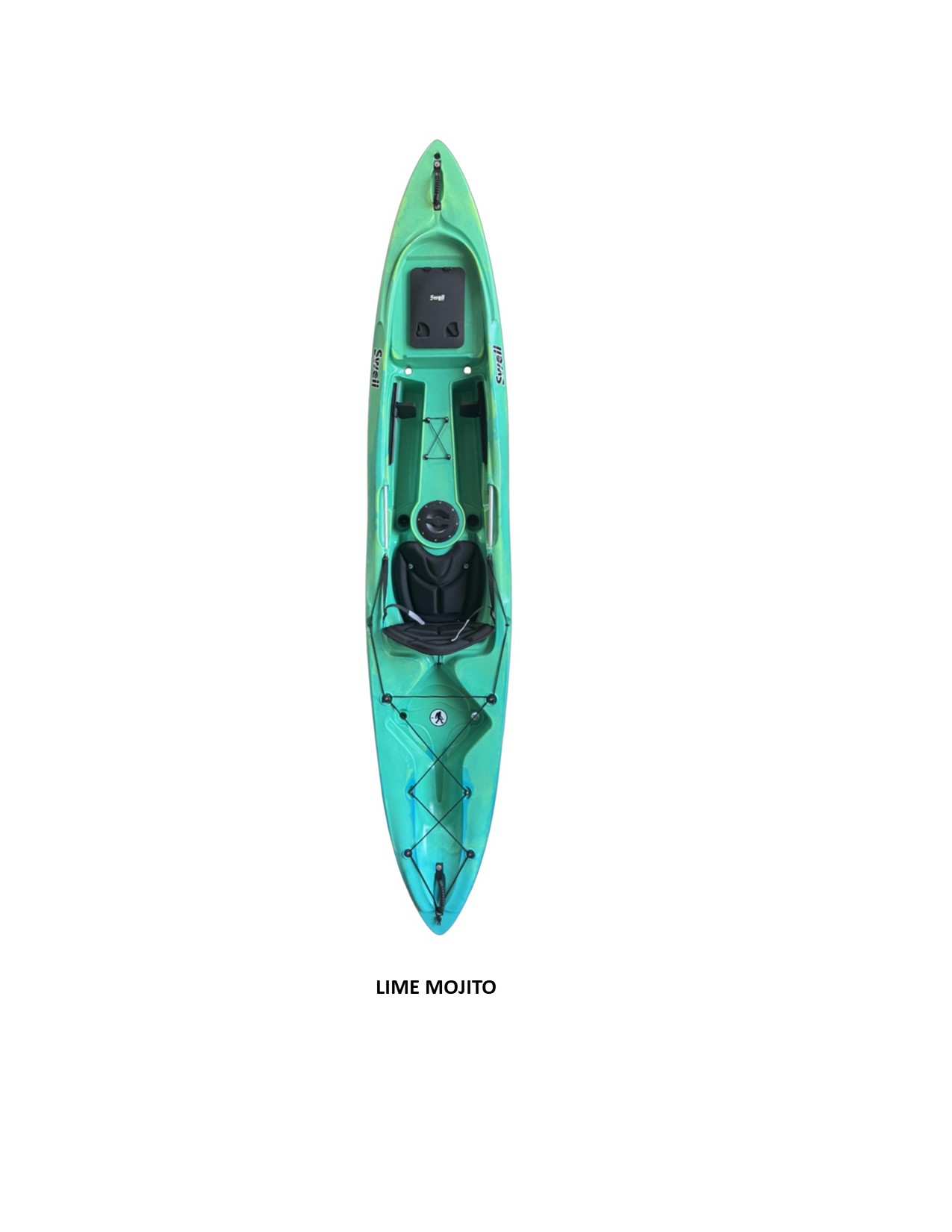
Credit: swellwatercraft.com
Types Of Kayak Scuppers
Kayak scuppers are small drainage holes found in sit-on-top kayaks. They let water flow out and keep the kayak steady. Different types of scuppers suit various kayaking needs. Understanding these types helps you choose the best kayak.
Standard Scuppers
Standard scuppers are basic drainage holes. They allow water to exit the kayak easily. Most sit-on-top kayaks have them. These scuppers work well in calm waters. They ensure your kayak stays dry and balanced.
Self-bailing Scuppers
Self-bailing scuppers have a one-way valve. This valve prevents water from coming back into the kayak. These scuppers are ideal for rough waters. The valve keeps you dry and safe during adventures.
Adjustable Scuppers
Adjustable scuppers let you control water flow. You can open or close them as needed. This feature is useful in changing weather. It gives flexibility to handle different water conditions.
Scupper Plugs
Scupper plugs block the drainage holes. They keep water from entering the kayak. Use them in calm or shallow waters. These plugs help maintain a dry ride. You can remove them when needed.
Foam-filled Scuppers
Foam-filled scuppers have foam inserts. They provide extra buoyancy to the kayak. This type is great for stability. It helps in keeping the kayak afloat better. Ideal for beginners or rough waters.
Maintenance And Care Tips
Maintaining your kayak scupper is crucial for its longevity and your safety on the water. Proper care ensures that your kayak performs efficiently and reduces the risk of damage or mishaps. Below are some practical tips to help you keep your kayak scupper in top condition.
Inspect Regularly
Regular inspections can prevent small issues from turning into costly repairs. Check for any cracks or wear around the scupper holes. These areas often face stress, particularly during rough water conditions.
Clean Thoroughly
Keeping the scupper clean is essential. Use a hose to rinse it after each use, removing sand, salt, and debris. A small brush can be handy for reaching into the holes to ensure they remain clear and unobstructed.
Check For Blockages
Blocked scuppers can lead to water accumulating in the kayak. Ensure that they are free from any obstructions, such as leaves or mud. A simple poke with a stick can help clear any blockages you find.
Use Scupper Plugs Wisely
Scupper plugs are useful for keeping water out, but they can also trap water inside if misused. Consider your paddling environment and decide when to use them. They are great for calm waters, but you may want to remove them in rough seas.
Store Properly
Proper storage can prevent unnecessary wear on your scupper. Keep your kayak out of direct sunlight when not in use. UV rays can degrade the material, leading to cracks and weakening the scupper.
Consider A Cover
Investing in a kayak cover can add an extra layer of protection. It keeps dust and debris from settling in the scupper holes and shields the kayak from harsh weather elements, prolonging its life.
Are you giving your kayak scupper the attention it deserves? Regular maintenance not only saves you money but enhances your kayaking experience. Don’t wait for a problem to arise; proactive care can make all the difference.

Credit: m.youtube.com
Choosing The Right Kayak
Kayak scuppers are small holes in the bottom of a sit-on-top kayak. They allow water to drain out. These essential features keep you dry and enhance stability, making your kayaking experience more enjoyable.
Choosing the right kayak is important for a safe and fun experience. A kayak should match your needs, skill level, and the water you plan to explore. Factors like size, weight, and features play a significant role. The right kayak makes your adventure enjoyable and comfortable.Understanding Different Kayak Types
Kayaks come in various types, each serving a specific purpose. Recreational kayaks are great for calm waters. Touring kayaks suit long-distance trips. Whitewater kayaks are for rapids and fast-moving water. Choosing the right type depends on your activity and water conditions.Considering Kayak Length And Width
Length and width affect a kayak’s stability and speed. Longer kayaks are faster and track better. Shorter ones offer more maneuverability. Wider kayaks provide more stability, ideal for beginners. Consider your comfort and paddling needs when deciding.Material Matters: Durability And Weight
Kayak materials vary, influencing durability and weight. Plastic kayaks are durable and affordable. Composite materials like fiberglass are lightweight and fast. Choose a material that balances performance with ease of handling.Checking For Essential Features
Features enhance your kayaking experience. Look for adjustable seats for comfort. Storage compartments are vital for carrying gear. Scupper holes help drain water from the cockpit. These features improve your time on the water.Test Before You Buy
Testing a kayak before buying ensures comfort and performance. Many stores offer demo days for potential buyers. Trying a kayak helps you feel its stability and comfort. It’s a great way to find the best fit for your needs.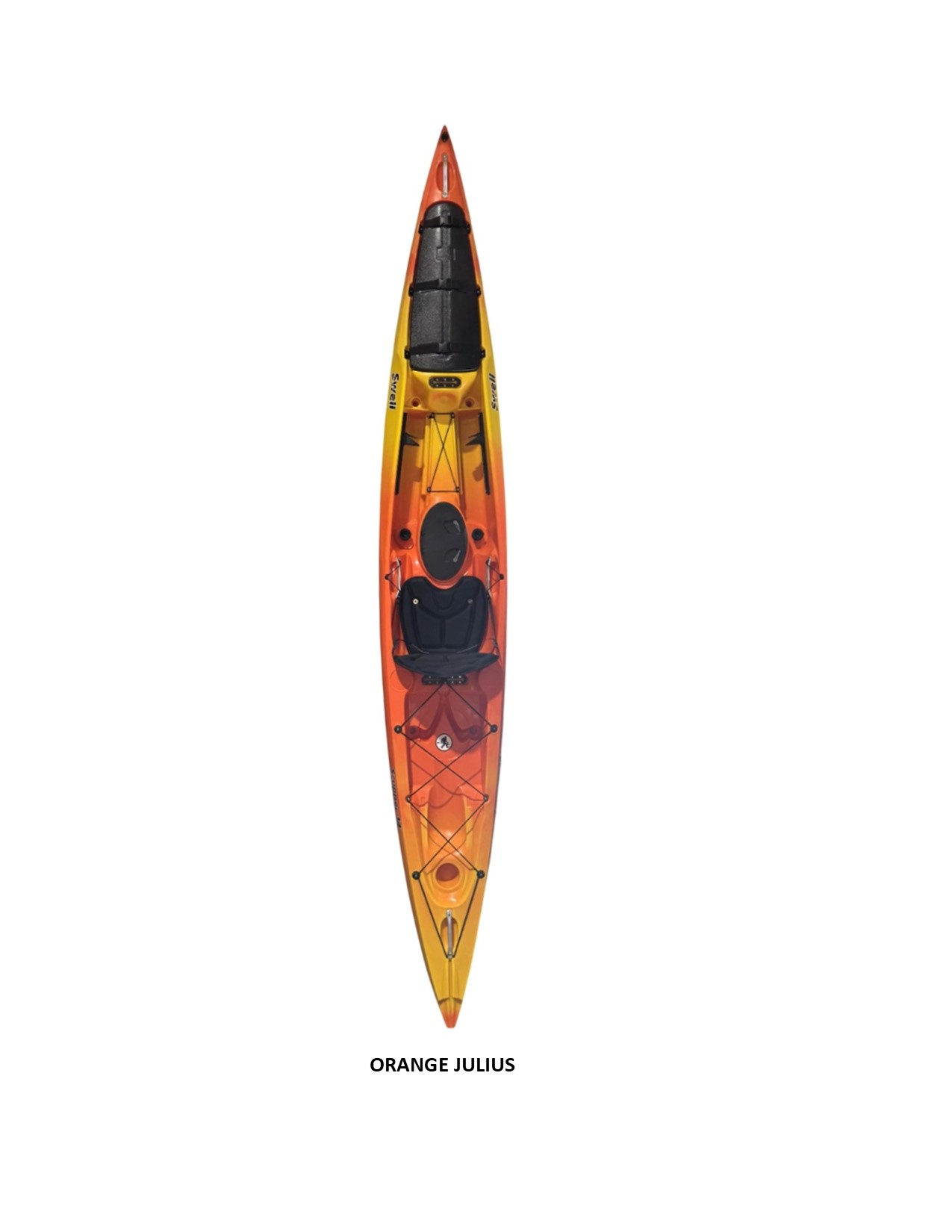
Credit: swellwatercraft.com
Frequently Asked Questions
What Do Scuppers Do On A Kayak?
Scuppers on a kayak drain water from the cockpit, keeping it dry and stable. They prevent flooding and enhance safety during paddling. Proper scupper placement ensures efficient water removal, improving the kayak’s performance. Always check scupper plugs for proper function and fit to maintain effective drainage.
What Is The Purpose Of The Scupper?
A scupper directs water away from roofs and decks, preventing damage. It ensures proper drainage, reducing flooding risks. Scuppers are essential for maintaining building integrity by managing rainwater efficiently.
What Is The Difference Between A Scupper And A Weep Hole?
Scuppers drain water from roofs or decks, while weep holes prevent water buildup in masonry walls. Scuppers are larger and direct water away from structures. Weep holes are small openings allowing moisture to escape, preventing damage. Both ensure effective drainage but serve different architectural purposes.
Do I Need Scupper Plugs For My Sit-on-top Kayak?
Scupper plugs are optional for sit-on-top kayaks. They prevent water from entering, improving comfort and keeping gear dry. Use them if you prefer a drier ride. Remove them for self-draining capability in rough waters. Consider your kayaking environment and personal preference when deciding.
Conclusion
Kayak scuppers play an essential role in your kayaking experience. They allow water to drain, keeping you and your gear dry. Understanding scuppers helps you choose the right kayak. It ensures safety and comfort on the water. Inspect scuppers regularly for blockages or damage.
This practice maintains their effectiveness. Remember, a well-maintained kayak enhances your adventures. Happy kayaking!