Have you ever watched a sleek, graceful figure glide effortlessly across the water and wondered, “Who is that?” That is a kayaker, and there’s so much more to this fascinating activity than meets the eye.
As you dip your toes into this intriguing world, you might discover a new passion waiting just beneath the surface. Imagine harnessing the power of water, feeling the rush of adrenaline with every stroke, and soaking in the serenity of nature from a unique vantage point.
Kayaking offers an experience unlike any other, blending adventure, tranquility, and a deep connection with the natural world. You’ll uncover what it truly means to be a kayaker. Whether you’re searching for a new hobby or simply curious about this captivating sport, you’re about to embark on an exploration that might just change the way you see the water. Are you ready to dive deeper and discover the essence of kayaking?

Credit: explorersweb.com
The Essence Of Kayaking
Kayaking is more than just a sport; it’s a journey into the heart of nature. It’s about navigating rivers and lakes, feeling the pulse of water beneath you, and embracing the thrill of the unknown. For many, kayaking is an opportunity to disconnect from the digital world and reconnect with the natural one.
Defining The Kayaker
A kayaker is someone who seeks adventure and tranquility on the water. They are individuals who appreciate the simplicity of a paddle, the rhythm of the waves, and the challenge of maneuvering through different water conditions. Kayakers come in all shapes and sizes, each bringing their own unique style and spirit to the water.
Whether you’re gliding across a serene lake or tackling a raging river, being a kayaker means embracing both calm and chaos. It’s about understanding the balance between control and surrender. When was the last time you felt truly connected with the elements around you?
The Appeal Of The Rapids
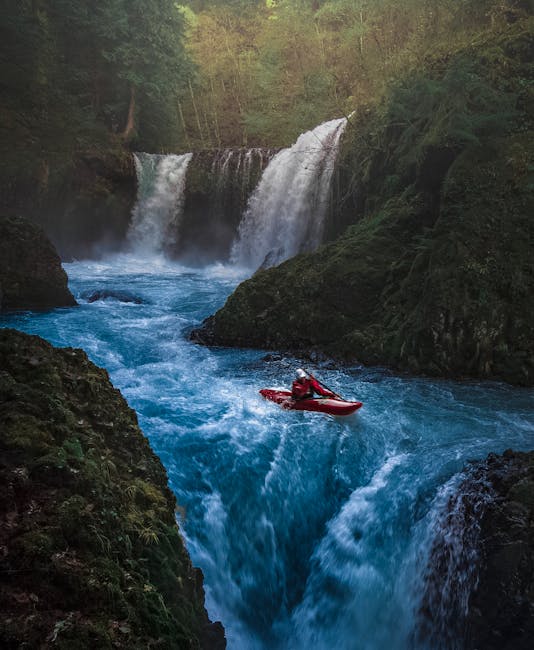
Rapids are the heartbeat of kayaking, offering an exhilarating test of skill and courage. The rush of navigating through turbulent waters is unmatched, challenging both mind and body. For many kayakers, the rapids are not just obstacles but opportunities to push limits and discover new strengths.
The thrill of the rapids is infectious; it calls to those who crave excitement and adventure. Each rapid presents a unique puzzle, requiring quick thinking and precise movements. Have you ever felt the adrenaline surge as you conquer a rapid, knowing that the only thing between you and the water is your own determination?
Kayaking can transform a simple outing into a memorable experience. It invites you to explore new places, meet like-minded adventurers, and develop skills that go beyond the water. Are you ready to embrace the essence of kayaking and discover what it truly means to be a kayaker?
History Of Kayaking
The history of kayaking is a fascinating journey that spans thousands of years, blending tradition with innovation. From its humble beginnings as a survival tool for Arctic communities to its current status as a popular recreational activity worldwide, kayaking has evolved remarkably. Understanding its history not only enriches your appreciation of the sport but also connects you to a timeless human tradition.
Origins And Evolution
Kayaking originated over 4,000 years ago with the Inuit, Aleut, and Yup’ik tribes of the Arctic. These early kayaks were crafted from driftwood and animal skins, primarily used for hunting and transportation in icy waters. As these communities navigated harsh environments, they developed a watercraft that was both functional and durable, laying the groundwork for modern kayaking.
The evolution of kayaking was gradual but significant. As European explorers encountered these vessels, they were inspired to adapt the design for sport and leisure. By the mid-1800s, kayaking had made its way to Europe, where it transformed into a competitive and recreational activity.
Milestones In Kayaking
Several milestones have shaped the course of kayaking over the years. In 1936, kayaking was introduced to the Olympics, marking its acceptance as a competitive sport. This inclusion not only popularized kayaking but also spurred advancements in kayak design and technique.
The 20th century brought technological innovations that further propelled kayaking into the mainstream. The development of lightweight materials like fiberglass and, later, plastic made kayaks more accessible and affordable. These innovations have allowed more people to experience the thrill of kayaking, whether on calm lakes or challenging whitewater rapids.
Imagine paddling through a serene lake, the water smooth as glass, and feeling the connection to those ancient explorers. Kayaking is more than just a sport; it’s a link to our past and a celebration of human ingenuity. What stories will your kayaking adventures tell?
Types Of Kayaks
Kayaking is a versatile sport that offers unique experiences depending on the type of kayak you choose. Whether you’re looking to navigate through rushing rapids, explore serene lakes, or enjoy a leisurely paddle, there’s a kayak designed to meet your needs. Understanding the different types of kayaks can help you find the perfect match for your adventure.
Whitewater Kayaks
Whitewater kayaks are built for thrill-seekers who crave the adrenaline rush of navigating turbulent waters. These kayaks are short and compact, allowing for quick maneuvers and rolls. They are ideal for tackling rapids and waterfalls, making them a favorite among adventure enthusiasts.
Whitewater kayaking requires skill and experience. It’s a world where precision and balance can make the difference between a smooth run and an unexpected dip in the water. If you love a challenge and aren’t afraid to get wet, this might be the kayak for you.
Touring Kayaks
Touring kayaks, also known as sea kayaks, are designed for long-distance paddling. They are sleek, longer, and more stable than whitewater kayaks, making them perfect for exploring coastal regions and large lakes. These kayaks often come with storage compartments for carrying gear, making them ideal for multi-day trips.
Imagine gliding across a tranquil lake, the sun setting on the horizon, with nothing but the sound of your paddle slicing through the water. That’s the kind of serene experience a touring kayak can offer. Are you ready to embark on a journey of discovery?
Recreational Kayaks
Recreational kayaks are perfect for beginners and those who enjoy leisurely paddling. They are wider and more stable, making them easy to use even if you’re just starting out. These kayaks are great for calm waters like ponds, slow-moving rivers, and small lakes.
With a recreational kayak, you can effortlessly enjoy a peaceful day on the water with family and friends. They’re straightforward, affordable, and easy to transport. What kind of memories will you create on your next kayaking adventure?
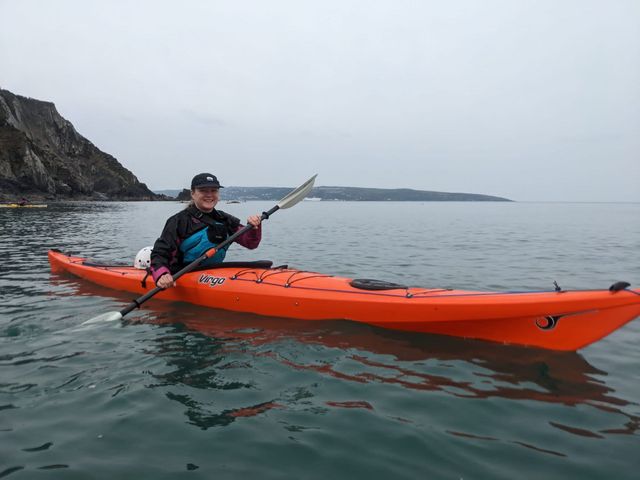
Credit: www.paddlecymru.org.uk
Essential Gear For Kayaking
Kayaking offers a thrilling way to explore water bodies. To ensure a safe and enjoyable experience, having the right gear is crucial. Whether you’re a beginner or experienced, understanding essential gear is important. Let’s dive into the must-have equipment for every kayaker.
Safety Equipment
Safety is a top priority for kayakers. A life jacket or personal flotation device (PFD) is essential. It keeps you afloat if you capsize. Always choose a PFD that fits well. A whistle can be a lifesaver. It helps you signal for help if needed. Carry a first-aid kit for emergencies. It should include bandages, antiseptic wipes, and pain relievers.
Paddles And Apparel
Choosing the right paddle enhances your kayaking experience. Paddles vary in length and material. Select one that suits your height and strength. Lightweight paddles reduce fatigue. Proper apparel is also important. Wear water-resistant clothing to stay dry. A hat and sunglasses protect you from the sun. Don’t forget water shoes for better grip.
Skills Every Kayaker Needs
A kayaker navigates through water using a kayak. Essential skills include balance, paddling techniques, and safety awareness. Understanding water currents and weather conditions is also crucial for a safe adventure.
Skills Every Kayaker Needs Kayaking is not just about floating in a boat. It requires specific skills to ensure safety and enjoyment. Every kayaker needs a mix of physical and mental abilities. These skills help in navigating waters effectively and avoiding potential hazards.Paddling Techniques
Mastering paddling techniques is essential for every kayaker. Proper paddling ensures smooth movement and control. It involves learning different strokes like forward, backward, and sweep strokes. The forward stroke is the most basic and frequently used. It propels the kayak efficiently. The backward stroke helps in slowing down or reversing. Sweep strokes are essential for turning the kayak. Practicing these strokes improves efficiency and stamina.Reading The Water
Reading the water is a vital skill for safety. It involves understanding water currents and obstacles. Identifying water patterns helps in choosing the best route. Observing the water surface can indicate hidden dangers. Swirling water might suggest rocks or strong currents below. Calm sections can offer a safe passage. Being able to read the water reduces risks and enhances the kayaking experience.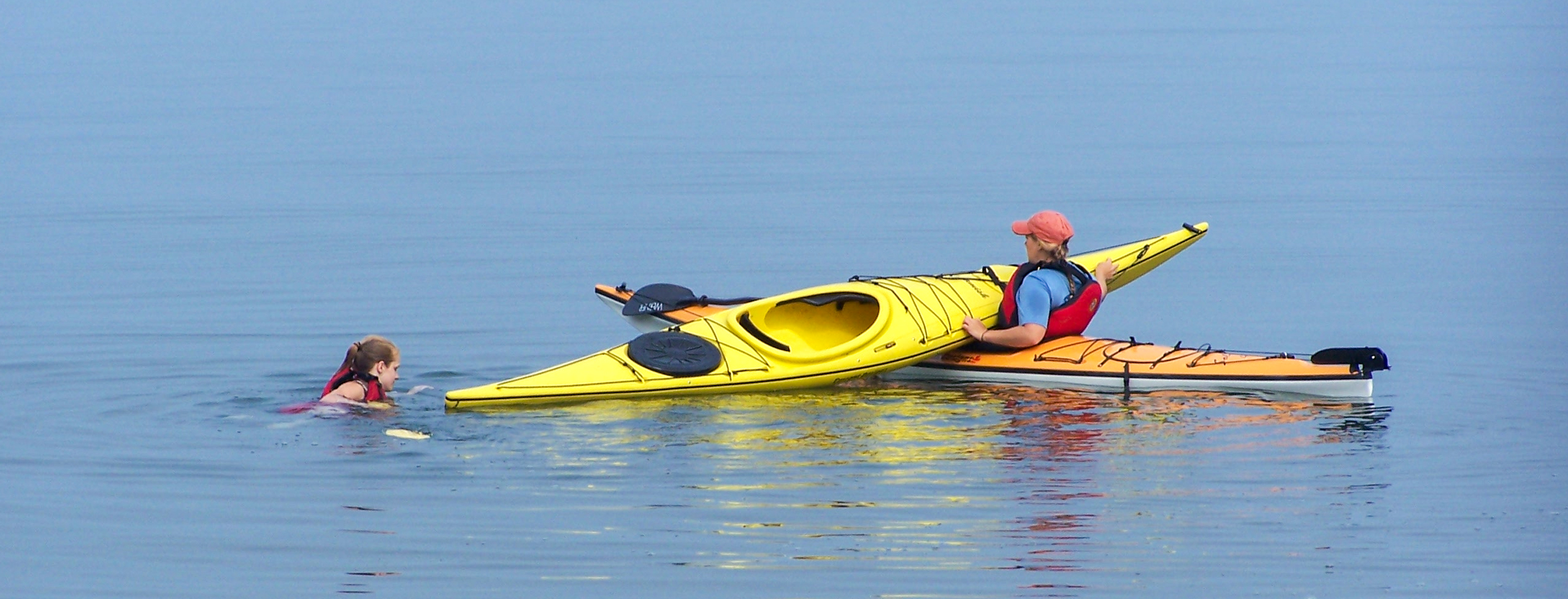
Credit: www.nps.gov
Popular Kayaking Destinations
Kayaking offers a unique way to explore the beauty of nature while gliding on serene waters. Whether you’re seeking adventure or tranquility, the destination you choose plays a crucial role in your experience. From breathtaking landscapes to hidden local gems, the world is filled with exceptional kayaking spots waiting to be discovered.
Top Spots Worldwide
Imagine paddling through the crystal-clear waters of the Norwegian fjords or navigating the rugged coastlines of New Zealand. These destinations offer unparalleled views and challenging waters that attract kayakers from around the globe.
- Norwegian Fjords:Renowned for their majestic beauty, the fjords provide a surreal backdrop for kayaking. Their calm waters make them accessible even to novice kayakers.
- Milford Sound, New Zealand:This iconic location captivates with towering cliffs and cascading waterfalls. It’s a must-visit for those seeking both adventure and awe-inspiring landscapes.
- Sea of Cortez, Mexico:Known as the “Aquarium of the World,” this spot is a haven for marine life, offering incredible opportunities for wildlife encounters.
Local Favorites
Sometimes the best kayaking experiences are closer than you think. Local spots can offer unexpected beauty and unique challenges that make them memorable.
- Lake Tahoe, USA:Nestled in the Sierra Nevada mountains, this lake boasts striking blue waters and stunning alpine scenery. It’s perfect for a leisurely paddle.
- Loch Lomond, Scotland:With its vast, tranquil waters and breathtaking surroundings, Loch Lomond provides a serene escape into nature.
- Archipelago Sea, Finland:Comprising thousands of small islands, this area presents endless exploration possibilities. Its calm waters are ideal for a relaxing day on the kayak.
Where do you dream of paddling? Whether it’s a global icon or a nearby lake, each kayaking destination offers unique experiences. Don’t just settle for any spot; seek out those that resonate with your sense of adventure and curiosity. After all, the world is vast, and the water is waiting.
Kayaking Community And Culture
A kayaker navigates waterways using a small, paddle-powered boat. This passionate community values adventure and nature. Kayaking culture emphasizes camaraderie, skill-sharing, and respect for the environment.
Kayaking is more than a sport. It is a way of life. The kayaking community is vibrant and welcoming. People from all walks of life connect through shared experiences on the water. This culture thrives on camaraderie and mutual respect.Clubs And Events
Kayaking clubs are the heart of the community. They offer a place for paddlers to meet and learn. Local clubs organize events and trips. These activities foster friendships and improve skills. Annual competitions and races bring excitement. They challenge kayakers and celebrate achievements.Shared Values And Ethics
The kayaking community values nature and preservation. Respect for the environment is a core principle. Kayakers practice Leave No Trace principles. They protect rivers and lakes from pollution. Safety is another shared value. Paddlers support each other in emergencies. They educate new members about safe practices.Challenges Of Kayaking
Kayakers face challenges like unpredictable weather and strong currents. Balance and coordination are crucial for navigating through waves. Safety gear is essential to protect against unexpected situations on the water.
Kayaking offers exhilarating adventures but comes with its own set of challenges. Whether you are paddling through serene waters or tackling turbulent rapids, each experience can test both your physical endurance and mental grit. Understanding these challenges can transform your kayaking journey from daunting to rewarding.Navigating Rapids
Conquering rapids is both an art and a science. The unpredictable nature of whitewater requires quick thinking and precise maneuvers. You need to read the water, anticipate obstacles, and react swiftly. Imagine paddling through a narrow chute, the roar of water in your ears. Your heart races as you steer clear of rocks. This adrenaline rush is why many are drawn to kayaking, but it’s essential to master techniques like the ‘brace’ and ‘roll’ to stay upright.Weather And Environmental Factors
Weather can change in an instant. A sunny day can quickly turn into a stormy challenge, with winds and waves testing your skills. Always check forecasts and prepare for sudden changes. Environmental factors also play a crucial role. Water levels can rise or fall, impacting your planned route. Wildlife encounters, while often peaceful, can sometimes present unexpected hurdles. How do you prepare for these challenges? Equip yourself with the right gear and knowledge. Stay alert, adaptable, and always prioritize safety.The Future Of Kayaking
The future of kayaking holds exciting possibilities. As technology evolves, kayaking is set to change. Enthusiasts can expect new trends and innovations. Environmental consciousness is also reshaping the sport. Let’s explore these fascinating developments.
Innovations And Trends
Kayaking gear is becoming more advanced. Lighter materials enhance performance and comfort. Smart technology is integrating with kayaks. GPS systems and fitness trackers are common features. These tools help kayakers monitor their adventures. Virtual reality is entering the scene, too. It offers immersive training experiences. Drones capture stunning footage of kayaking trips. They provide new perspectives on water trails.
Sustainability In Kayaking
Sustainability is crucial in kayaking. Eco-friendly materials are gaining popularity. Manufacturers focus on reducing plastic usage. Recycled materials are often used in kayak production. Solar-powered gear is emerging, reducing reliance on batteries. Kayakers are encouraged to adopt leave-no-trace principles. This ensures minimal environmental impact. Community initiatives promote water conservation. They aim to protect natural habitats for future generations.
Frequently Asked Questions
What Is The Definition Of A Kayaker?
A kayaker is an individual who navigates waters using a kayak, a small, narrow watercraft. Kayakers paddle with double-bladed paddles for recreation, competition, or exploration. Kayaking offers adventure, fitness, and nature experiences. Kayakers often enjoy rivers, lakes, and oceans, appreciating the balance and skill involved in this water sport.
What Is A Synonym For Kayaker?
A synonym for “kayaker” is “paddler”. This term describes someone who uses a kayak to navigate water.
What Do You Call Someone Who Does Kayaking?
A person who does kayaking is called a kayaker. They navigate water bodies using a kayak, a narrow boat. Kayakers enjoy this sport for recreation, exercise, or competition.
What Does Kayak Stand For?
KAYAK doesn’t stand for anything; it’s the name of a travel search engine. It helps users find flights, hotels, and car rentals. The name is inspired by the lightweight watercraft, symbolizing easy navigation and exploration.
Conclusion
Kayaking offers fun and adventure for everyone. It’s a simple yet thrilling water sport. Kayakers find joy in exploring rivers and lakes. They connect with nature while paddling. This activity suits all ages and skill levels. With practice, anyone can enjoy kayaking.
It’s important to respect water safety rules. Always wear a life jacket. Enjoy the peace and excitement kayaking brings. Many find relaxation and exercise in this sport. So grab a paddle. Discover the joy of kayaking. It’s a journey worth taking.