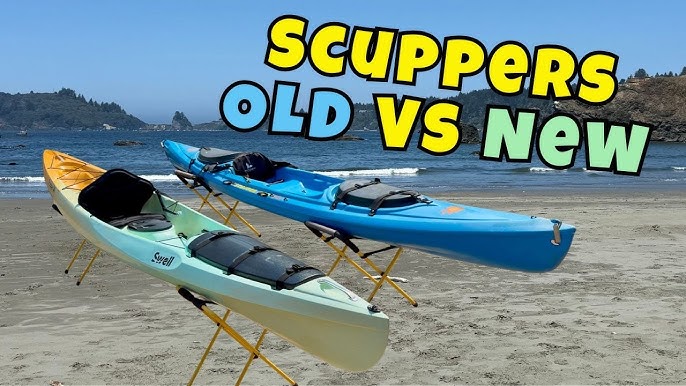
Have you ever found yourself paddling through serene waters, only to be interrupted by that pesky pool of water in your kayak? If you’ve experienced this, you’re not alone.
Many kayaking enthusiasts, whether novices or seasoned paddlers, often wonder about the mysterious little holes in their kayaks. Enter the scupper, a feature that’s crucial for keeping your kayak experience smooth and dry. But what exactly is a scupper on a kayak, and why is it so important for your adventures?
We’ll dive into the world of scuppers, uncovering their purpose, benefits, and why they should matter to you. Get ready to enhance your kayaking knowledge and ensure your next trip is as enjoyable as possible. Keep reading, and you’ll soon discover how this small but mighty feature can make a big difference in your kayaking journey.
Purpose Of Scuppers
Scuppers on a kayak are holes designed for drainage. They prevent water from pooling in the cockpit. Essential for maintaining balance and safety, scuppers ensure a dry and stable kayaking experience.
Scuppers on a kayak are more than just small holes—these are crucial features that enhance the kayaking experience. Their primary purpose is to provide a drainage system and improve safety. While you may wonder why your kayak has holes, these scuppers are ingeniously designed to keep you dry and safe on your adventure.Drainage System
Scuppers work as a self-bailing mechanism for your kayak. They allow water to escape, preventing the cockpit from filling up. Imagine paddling through rough waters, and every splash finds its way into your kayak. Without scuppers, you’d be paddling in a mini pool. With scuppers, water drains out automatically, maintaining your kayak’s buoyancy. This means less time worrying about bailing water and more time enjoying your paddling adventure.Safety Features
Safety is paramount when you’re out on the water. Scuppers play a critical role in ensuring your kayak remains stable and afloat. By efficiently draining excess water, they prevent your kayak from becoming too heavy or unstable. Have you ever felt uneasy when your kayak tilted after taking on water? Scuppers alleviate this anxiety, allowing you to focus on the journey ahead. Some kayaks even come with scupper plugs, letting you control when to block or open these drainage points. This flexibility can be quite handy in varying water conditions. In essence, scuppers offer peace of mind, letting you explore with confidence. Whether you’re a seasoned kayaker or a beginner, appreciating the role of scuppers can significantly enhance your kayaking experience.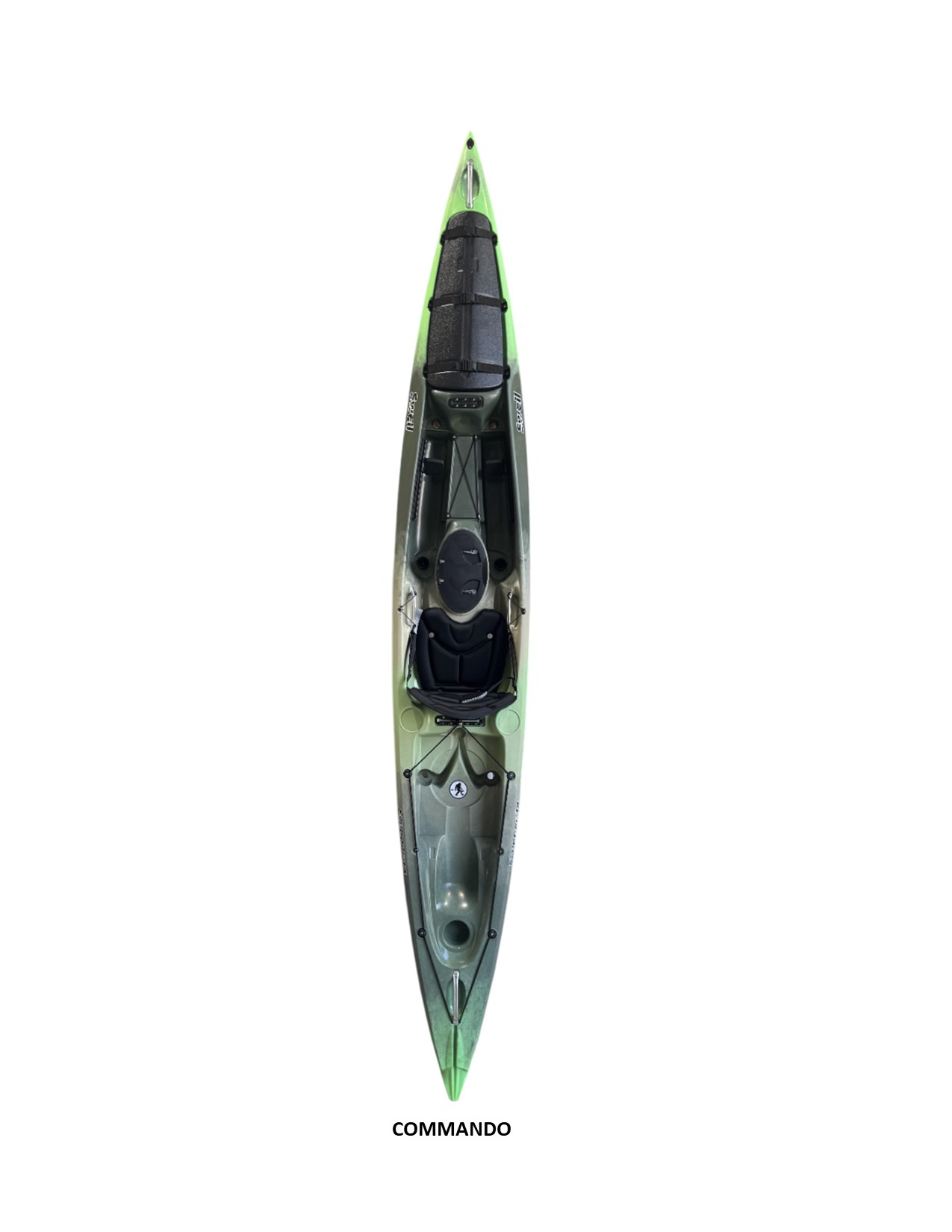
Credit: swellwatercraft.com
Types Of Scupper Holes
Scupper holes on a kayak help drain water from the deck. They come in various types, including round and elongated shapes. These holes ensure a dry and stable ride by allowing water to escape efficiently.
Understanding the types of scupper holes on a kayak can enhance your kayaking experience, making it more enjoyable and safe. Scupper holes are essentially the drainage system of sit-on-top kayaks, allowing water to escape from the cockpit. Different types of scupper holes offer unique benefits and can significantly affect your time on the water. Let’s explore the common types and see how they can serve you best.Self-bailing Scuppers
Self-bailing scuppers are designed to keep your kayak dry by allowing water to flow out naturally. This type of scupper is perfect for those adventurous souls who love tackling waves or paddling in rough waters. Imagine you’re kayaking through choppy seas, and water splashes into your kayak. Self-bailing scuppers automatically drain the water, keeping your kayak’s interior dry. This feature not only ensures comfort but also prevents water from accumulating, which can lead to instability. Are you ready to embrace the thrill of rough waters without the fear of a soggy cockpit? Self-bailing scuppers might be your best friend on this adventure.Plugged Scuppers
Plugged scuppers offer a different approach by allowing you to control the drainage system of your kayak. Sometimes, you might prefer to keep water out entirely, especially in calm conditions or when you want to stay completely dry. Using plugs in your scupper holes gives you the flexibility to seal them, preventing any water from entering your kayak. But what happens when you want to remove the plugs? It’s simple. Just pop them out, and let any accumulated water drain away. This option is fantastic for those who enjoy leisurely paddles or fishing, where staying dry is a priority. Have you ever wished you could customize your kayaking experience? Plugged scuppers give you that control, ensuring your comfort and stability on calm waters.Materials Used For Scuppers
Scuppers on a kayak drain water from the deck, ensuring safety. Common materials include plastic, rubber, and silicone. These materials are durable and resist water damage.
Understanding the materials used for scuppers in kayaks can significantly impact your kayaking experience. Scuppers play a crucial role in draining water out of your kayak, ensuring it stays buoyant and stable. The material of a scupper affects its durability, performance, and maintenance. Let’s explore the common materials used for scuppers and how they can influence your kayaking adventures.Plastic Scuppers
Plastic scuppers are widely popular due to their lightweight nature and affordability. They are often made from durable polyethylene, which is resistant to corrosion and impact. This makes them ideal for those who frequently kayak in saltwater or rough environments. Additionally, plastic scuppers are easy to replace and available in various sizes, making them a versatile choice. If you’re a beginner or on a budget, plastic scuppers might be perfect for you. However, they might not be as robust as metal options in extreme conditions.Metal Scuppers
Metal scuppers, often crafted from stainless steel or aluminum, are known for their strength and longevity. These scuppers are highly resistant to wear and tear, making them suitable for serious kayakers who tackle challenging waters. While metal scuppers might be more expensive, their resilience can justify the cost for avid kayakers. They are less likely to crack or break under pressure, providing peace of mind during intense kayaking sessions. Have you considered the trade-offs between durability and cost in your kayak gear choices? Choosing the right scupper material can enhance your kayaking experience, ensuring safety and efficiency on the water.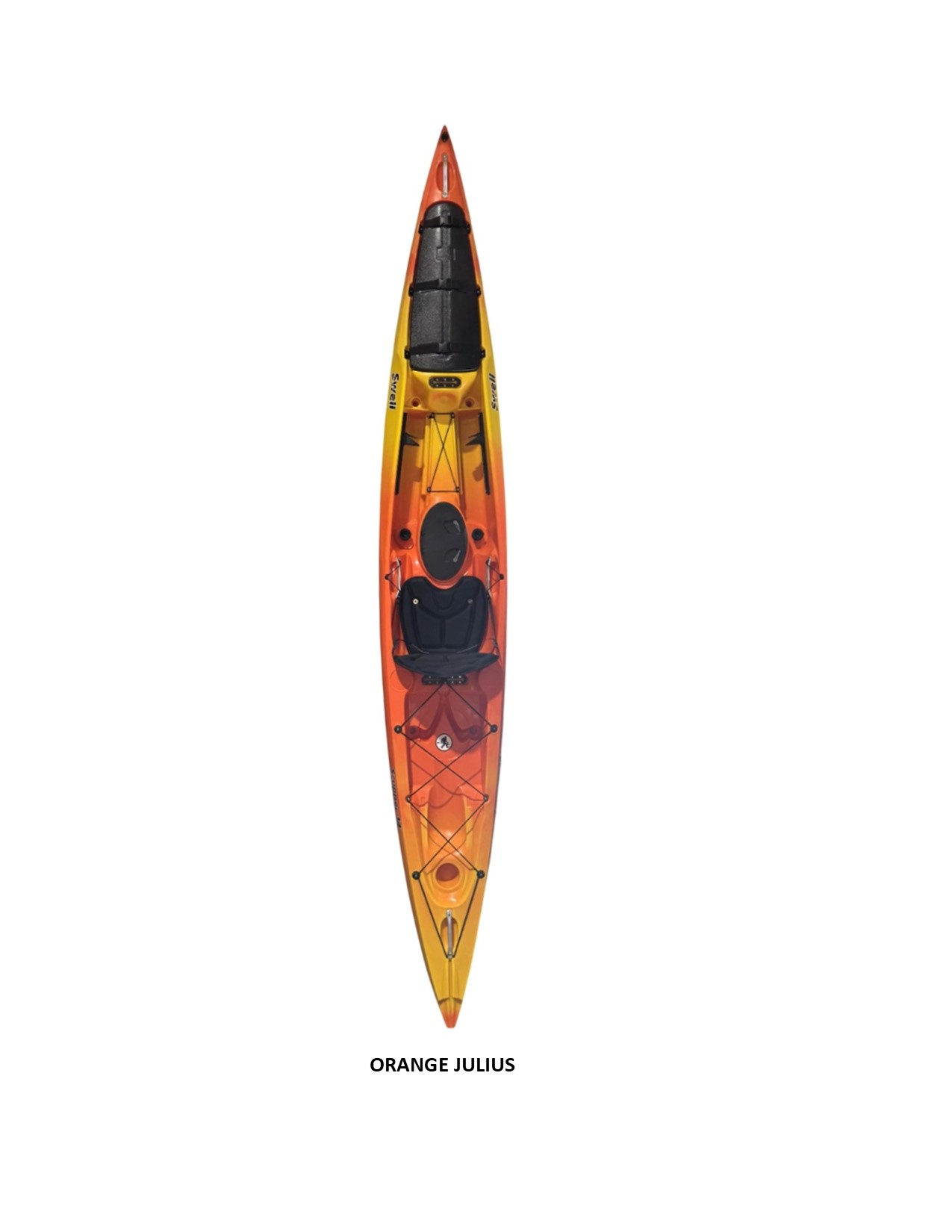
Credit: swellwatercraft.com
Benefits Of Scuppers
Scuppers on a kayak are essential for draining water from the cockpit. They help keep the kayak stable and dry. With scuppers, paddlers enjoy a safer and more comfortable kayaking experience.
Understanding the benefits of scuppers on a kayak can drastically enhance your paddling experience. Scuppers, those small holes strategically placed in sit-on-top kayaks, serve various functions that cater to both novice and seasoned kayakers. Let’s dive into the advantages they offer, focusing on how they contribute to enhanced stability and improved comfort.Enhanced Stability
Scuppers play a significant role in keeping your kayak stable. By allowing water to drain naturally, they prevent excess water from accumulating inside the kayak. This keeps the weight balanced and the kayak from becoming top-heavy, reducing the risk of capsizing. Imagine you’re navigating choppy waters after a sudden rain shower. With scuppers, you can maintain your focus on paddling without worrying about constantly bailing out water. This feature offers peace of mind, especially when tackling unpredictable water conditions.Improved Comfort
Kayaking should be enjoyable, and comfort is a big part of that. Scuppers help keep the seating area dry, ensuring you stay comfortable throughout your journey. A dry kayak means less chafing and no soggy clothes, which is crucial for those longer trips. Picture a long day on the water with your friends, exploring new areas without feeling weighed down by wet clothing. Scuppers make this possible, allowing you to focus on the adventure rather than the discomfort of a damp seat. Have you ever had an experience where scuppers made your kayaking trip more enjoyable? Share your thoughts in the comments below!Challenges With Scuppers
Scuppers on a kayak are essential for draining water from the cockpit. Yet, they can sometimes become clogged with debris. Regular maintenance helps ensure effective water drainage and enhances your kayaking experience.
Kayaking is an exhilarating way to explore nature, but like any outdoor activity, it comes with its own set of challenges. Scuppers, those small drainage holes on sit-on-top kayaks, are essential for keeping you afloat by letting water escape. However, they also present some unique challenges. Understanding these can enhance your kayaking experience, ensuring safety and enjoyment.Potential Leakage
Scuppers are designed to let water out, but sometimes they can let water in. If the kayak is overloaded or the sea is rough, water might seep through the scuppers. This can make for an uncomfortable and wet ride. Imagine paddling through a serene lake, only to find your seat slowly becoming a puddle. It’s a reality many kayakers face. To combat this, scupper plugs can be used, but they must fit properly to be effective. Always check your kayak’s weight limit and adjust gear accordingly to minimize leakage.Maintenance Needs
Scuppers require regular maintenance to function efficiently. Debris like leaves, mud, and sand can block these holes, reducing their drainage capability. It’s crucial to clean them after each trip. Ignoring this can lead to water accumulation inside the kayak. This not only affects stability but can also damage the kayak over time. A simple rinse with fresh water and a quick inspection for blockages can prevent these issues. Is maintaining your kayak part of your routine? Regular upkeep ensures a hassle-free adventure and prolongs the life of your kayak.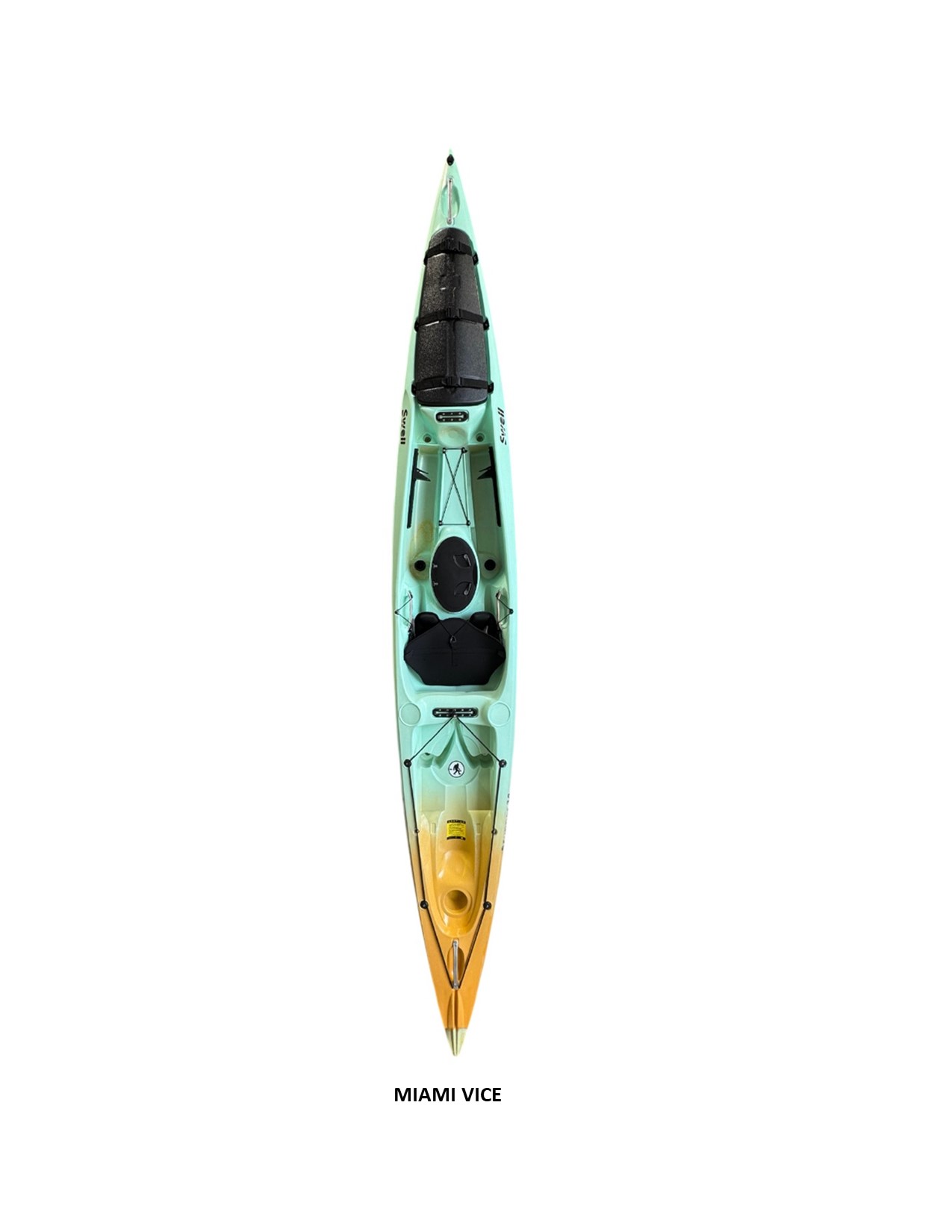
Credit: swellwatercraft.com
Choosing The Right Scupper System
Choosing the right scupper system for your kayak can significantly enhance your paddling experience, keeping you dry and comfortable. Scuppers are vital for draining water efficiently from your kayak, especially in choppy waters or during heavy rain. But how do you decide which scupper system suits your kayaking adventures?
Considerations For Different Waters
Different water conditions demand specific scupper systems. If you frequently paddle in calm lakes, you might prioritize scuppers that offer minimal obstruction, ensuring a smooth glide. But in rough seas, larger scupper holes can quickly drain splashes, preventing water from pooling in your kayak.
Consider the water temperature too. Cold water enthusiasts might prefer scupper plugs to keep the chilly water at bay, while warm-water paddlers could appreciate a system that allows for constant drainage, keeping the cockpit dry.
Have you ever found yourself in unexpected weather conditions? A flexible scupper system could be your best ally, adapting to various environments seamlessly.
Kayak Design Compatibility
Your kayak’s design plays a crucial role in selecting the right scupper system. Some kayaks come with pre-installed scupper holes, while others might require aftermarket solutions. Ensure your choice complements your kayak’s design to avoid unnecessary modifications.
Check the compatibility with your kayak’s hull shape. A streamlined hull might need smaller scupper holes, while broader designs can accommodate larger ones. This compatibility ensures efficient drainage without compromising your kayak’s stability.
Imagine finding the perfect scupper system only to realize it doesn’t fit your kayak’s design. Save yourself the hassle and verify compatibility first.
Ultimately, the right scupper system can transform your kayaking experience. Have you considered how a small adjustment might improve your time on the water? Selecting the perfect system is a decision that deserves thoughtful consideration and can lead to countless enjoyable adventures ahead.
Frequently Asked Questions
What Is The Purpose Of The Scupper?
A scupper directs excess water away from buildings, preventing water damage. It ensures effective drainage during heavy rain.
What Is The Difference Between A Scupper And A Weep Hole?
A scupper drains water from roofs or decks via openings. A weep hole releases water from walls or windows. Scuppers handle larger volumes, while weep holes prevent moisture buildup. Both help in water management, ensuring structural integrity and preventing damage.
Do You Have To Have Scupper Plugs?
Scupper plugs are not mandatory, but they help keep water out of the kayak. They enhance stability and comfort. Use them based on your kayaking needs and water conditions. Always consider the weather and water type before deciding.
What Is The Purpose Of A Scupper Valve?
A scupper valve allows water to drain from a boat’s deck overboard. It prevents water accumulation and flooding. The valve opens automatically when water pressure increases, ensuring quick drainage. By maintaining a dry deck, it enhances safety and prevents damage.
Scupper valves are essential for efficient water management on boats.
Conclusion
Scuppers on a kayak help drain water quickly. These openings keep you dry and safe. Without scuppers, water can fill the kayak. This makes paddling hard and uncomfortable. Scuppers are important for stability too. They prevent tipping and help balance.
Always check your kayak for scuppers before heading out. Ensure they are clear and working well. Understanding scuppers can enhance your kayaking experience. Knowledge of kayak parts leads to better adventures. Paddle with confidence knowing your kayak is ready. Enjoy the water, stay safe, and have fun.
Kayaking is more enjoyable with the right equipment.