
Are you ready to explore the world of paddling, but find yourself confused about the difference between canoeing and kayaking? You’re not alone.
Many people use these terms interchangeably, yet they refer to two distinct activities with unique histories, techniques, and equipment. Understanding these differences can enhance your outdoor adventures, help you choose the right gear, and even impress your fellow paddlers with your newfound knowledge.
You’ll discover the key distinctions between canoeing and kayaking, making your next water expedition more enjoyable and informed. Dive in to uncover what sets these two popular water sports apart.
Credit: stevecleverdon.com
Basics Of Canoeing
Canoeing is a fascinating water sport with roots deep in history. It involves paddling a lightweight vessel called a canoe. Canoes are open-top boats designed for calm waters. They offer a unique experience close to nature. People enjoy canoeing for its simplicity and connection to the environment.
Origins And History
Canoeing dates back thousands of years. Indigenous people crafted canoes from natural materials. These vessels were crucial for transportation and fishing. The design evolved with time, adapting to various regions. Today, canoeing is a popular recreational activity worldwide.
Design And Structure
Canoes are typically made of wood, aluminum, or fiberglass. They are open on top, allowing easy entry and exit. The paddler kneels or sits inside, using a single-bladed paddle. Canoes vary in size and shape, affecting their speed and stability. Long canoes are faster, while shorter ones are more agile.
Common Uses And Activities
Canoeing serves different purposes. It is ideal for exploring lakes, rivers, and calm seas. Many enjoy canoeing for fishing or bird-watching. It is also a social activity, perfect for families and friends. Canoeing races and competitions attract enthusiasts. It promotes physical fitness and relaxation.
Basics Of Kayaking
Kayaking is an exhilarating water sport that can be both a tranquil escape and a thrilling adventure. Whether you’re paddling along a serene lake or navigating roaring rapids, understanding the basics of kayaking can enhance your experience. Let’s dive into some key aspects that define this popular activity.
Origins And History
Kayaking has roots that trace back thousands of years to the Inuit people of the Arctic regions. They designed kayaks primarily for hunting and transportation across icy waters. These early kayaks were made from animal skins stretched over wooden frames, providing a sturdy yet flexible vessel.
As time progressed, the use of kayaks expanded beyond survival, evolving into recreational and competitive activities. The natural design lent itself well to exploration, making kayaking a favorite among adventurers.
Design And Structure
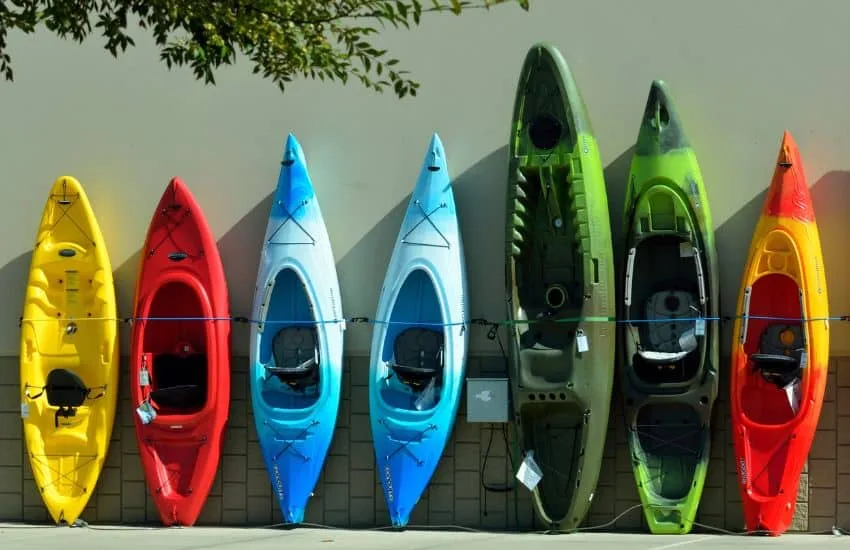
Unlike canoes, kayaks are typically enclosed with a cockpit where paddlers sit with their legs extended forward. This design offers stability and protection from water splashes. Kayaks are generally narrower and have a lower profile, making them faster and easier to maneuver.
Modern kayaks come in various types, including sit-on-top and inflatable models, each serving different purposes. The paddle is double-bladed, allowing efficient movement through water. Have you ever wondered how this design influences speed and agility?
Common Uses And Activities
Kayaking offers a versatile range of activities, from leisurely paddling on calm waters to adrenaline-pumping whitewater challenges. It’s common to see kayakers exploring coastal areas, fishing, or engaging in eco-tours. Even families can enjoy kayaking together, thanks to tandem models.
For thrill-seekers, there are competitive sports like kayak racing and freestyle kayaking. These activities test agility and speed, attracting enthusiasts who thrive on challenge. Whether you’re a nature lover or a competitive spirit, kayaking has something to offer. Have you found your kayaking passion yet?
Key Differences In Equipment
Understanding the equipment differences in canoeing and kayaking is crucial. Both sports offer unique experiences on the water. The equipment used plays a significant role in these differences.
Paddle Design
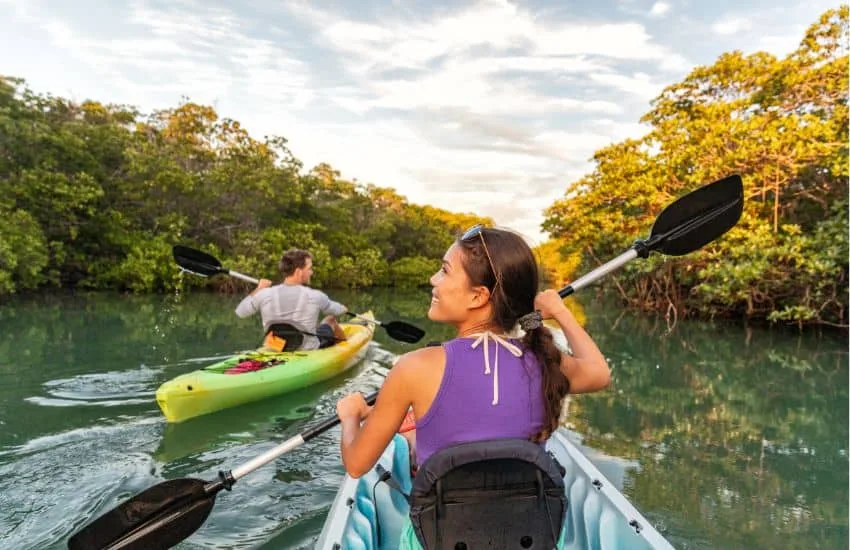
The paddle is a key difference between canoeing and kayaking. Canoe paddles have a single blade. This requires paddlers to alternate sides to move straight. Kayak paddles have two blades. This allows for continuous paddling on both sides. This design makes kayaking faster and more efficient.
Boat Design
The design of the boat varies significantly between canoes and kayaks. Canoes have an open top. This allows paddlers to kneel or sit on benches. They are larger and accommodate more people or gear. Kayaks have a closed deck. The paddler sits inside with legs stretched out. They are sleeker and designed for speed and agility.
Seating Position
Seating position differs greatly in both sports. In a canoe, the paddler kneels or sits on a raised seat. This allows for easy movement and balance. In a kayak, the paddler sits on the bottom. Legs are extended forward inside the kayak. This position is snug and enhances control and stability.
Credit: stevecleverdon.com
Differences In Technique
Canoeing involves paddling with a single-bladed paddle, while kayaking uses a double-bladed paddle. Kayakers sit with legs extended and canoeists kneel or sit on raised seats. Each offers unique experiences and challenges on water.
Canoeing and kayaking might seem similar at first glance. Both involve paddling through water and offer a great way to explore nature. But they differ in techniques, making each unique.Paddling Techniques
Canoe paddles have one blade. You hold them with both hands. Paddlers alternate sides to maintain a straight path. In contrast, kayak paddles have two blades. You use a rhythmic motion to propel the kayak forward. This technique requires less side-switching.Steering Methods
Canoeists use the “J-stroke” to steer. This involves a slight twist at the end of the stroke. It keeps the canoe straight. Kayakers steer using different techniques. One common method is the “sweep stroke.” This wide stroke helps turn the kayak efficiently.Balance And Stability
Canoes offer more stability due to their wider frame. They are less likely to tip over. Kayaks, though narrower, provide better control and speed. They require more balance from the paddler. This adds a thrilling challenge to the kayaking experience.Environmental Considerations
Exploring the differences between canoeing and kayaking highlights various environmental considerations. Canoes typically have an open design, affecting water interaction and habitat preservation. Kayaks are enclosed, offering better control and reduced impact on delicate ecosystems. Understanding these distinctions helps in choosing eco-friendly water activities.
Environmental considerations play a crucial role in canoeing and kayaking. Both activities impact nature, but their effects can differ. Understanding these differences helps enthusiasts make eco-friendly choices. Whether it’s the type of water bodies or the wildlife impact, each aspect matters.Suitable Water Bodies
Canoeing is often enjoyed on calm waters like lakes and slow rivers. These water bodies offer a serene environment, perfect for leisurely paddling. Kayaking, on the other hand, is versatile. It can be done on both calm and fast waters. White-water kayaking is popular in rapids and fast streams. Each activity requires a different environment, impacting the choice of location.Impact On Wildlife
Canoeing and kayaking can disturb local wildlife. Canoes glide quietly, causing minimal disruption to birds and fish. Kayaks, especially in rapids, can create more noise. This may startle nearby animals. Responsible paddling practices can help reduce these impacts. Observing wildlife from a distance and avoiding nesting areas are key.Safety Measures
Safety is vital for both canoeists and kayakers. Wearing a life jacket is essential. Canoeists should be cautious of sudden weather changes on open lakes. Kayakers must be aware of strong currents in fast waters. Understanding and respecting water conditions ensures safety. Proper training and equipment can prevent accidents.Choosing Between Canoeing And Kayaking
Canoeing and kayaking differ primarily in design and paddling technique. Canoes are open and use single-bladed paddles, while kayaks are enclosed with double-bladed paddles. Each offers a unique experience on the water, catering to different preferences and skill levels.
Choosing between canoeing and kayaking can be an exciting decision. Both offer unique experiences on the water. Understanding key differences helps you decide which suits your needs best.Skill Level And Experience
Beginners often find kayaking easier to learn. Kayaks are usually more stable and straightforward to maneuver. Canoeing may require more skill to control, especially in rough waters. Experienced paddlers might enjoy the challenge of mastering canoe techniques. Consider your comfort and familiarity with water sports.Purpose And Preference
Think about your intended activities. Canoeing is great for leisurely trips and carrying more gear. Kayaks excel in speed and navigating tight spaces. Your preference for solo or group outings is important too. Canoes often accommodate more passengers, while kayaks are typically for one or two people.Cost And Accessibility
Kayaks can vary widely in price. There are affordable options for beginners and high-end models for pros. Canoes might be more costly due to size and materials. Renting equipment is often cheaper and helps beginners try both. Accessibility also depends on local facilities offering rentals or tours.
Credit: www.mortonsonthemove.com
Frequently Asked Questions
Which Is Harder, Kayaking Or Canoeing?
Kayaking is often considered harder due to its balance and paddling technique. Canoeing offers more stability and space. Beginners might find kayaking challenging initially. Skill level, water conditions, and personal preference influence difficulty perception.
What Are The Three Golden Rules Of Canoeing?
The three golden rules of canoeing are: Wear a life jacket, paddle within your skill level, and respect the water conditions. Always stay safe, be prepared, and prioritize safety to enjoy your canoeing adventure.
What Is Safer, A Canoe Or A Kayak?
Kayaks generally offer more stability and control, making them safer for beginners. Canoes can tip easier, especially in rough waters. Safety depends on skill level, water conditions, and proper equipment. Always wear a life jacket and follow safety guidelines for both.
What Makes A Canoe Different From A Kayak?
Canoes are open boats paddled with a single-bladed paddle, while kayaks are enclosed and use double-bladed paddles. Canoes typically seat paddlers side-by-side, whereas kayakers sit with legs extended in front. Kayaks are more stable and maneuverable in rough water compared to canoes.
Conclusion
Canoeing and kayaking offer unique experiences on the water. Canoes have open tops and are paddled with one-bladed paddles. Kayaks are enclosed and use double-bladed paddles. Both activities suit different preferences and skill levels. Canoeing provides a leisurely pace, ideal for calm waters.
Kayaking can be faster, great for adventure seekers. Consider what you enjoy most. The choice depends on your adventure style and environment. Try both to discover your favorite. Enjoy exploring the waterways with either option. Each offers its own charm and excitement.