
Are you planning your next adventure on the water and wondering whether to choose a kayak or a canoe? Understanding the difference between these two popular types of watercraft can help you make the best decision for your experience.
Imagine gliding smoothly across a serene lake or navigating through a gentle river current. The right choice can elevate your aquatic adventure, providing comfort, control, and enjoyment. But what distinguishes a kayak from a canoe, and which one is the perfect fit for you?
Stick with us as we unravel the unique features, advantages, and ideal uses of each, ensuring you’re well-equipped to make an informed choice for your next paddling journey. Your perfect water adventure awaits!
Kayak And Canoe Basics
Kayaks and canoes differ mainly in design and paddling style. Kayaks are enclosed with a cockpit and use double-bladed paddles. Canoes are open on top and typically use single-bladed paddles.
Kayaking and canoeing are both popular water sports that offer a unique way to explore rivers, lakes, and even oceans. While they may seem similar at first glance, they have distinct differences in design, usage, and experience. Understanding these basics can help you choose the right vessel for your next adventure.Understanding The Design
Kayaks and canoes differ significantly in design. A kayak is typically enclosed with a cockpit where you sit and paddle. It often has a closed deck, which protects you from water splashes. Conversely, a canoe is usually open on top, offering more space to move and store gear. The paddles used in kayaking and canoeing are not the same. Kayaks use a double-bladed paddle, allowing you to stroke on both sides efficiently. Canoes, however, utilize a single-bladed paddle, requiring a different technique to move in a straight line. Have you ever tried both paddles? You’ll notice the difference instantly.Seating Arrangements
Seating is another key differentiator. In a kayak, you sit on the bottom with legs extended in front of you. This low seating provides stability and balance. In a canoe, you either kneel or sit on a bench, which offers a higher vantage point but requires more skill to maintain balance, especially in rough waters.Usage And Versatility
Kayaks and canoes cater to different types of water activities. Kayaks are ideal for fast-moving water, such as rapids or surf, due to their sleek design. Canoes, with their spacious interiors, are perfect for calm waters and longer trips where you need to carry camping gear or a cooler. Which one aligns more with your adventure style?Personal Experiences And Insights
My first kayaking experience was exhilarating yet challenging as I navigated through narrow river passages. The kayak’s agility made it easy to maneuver. On the other hand, a canoe trip with friends allowed us to carry a picnic and enjoy a leisurely paddle on a serene lake. Each experience taught me the unique benefits of each vessel. How about you? Do you prefer the thrill of a kayak or the tranquility of a canoe?Design Features
Kayaks have a closed deck and sit-on-top design, while canoes feature an open deck. Kayaks use double-bladed paddles, whereas canoes typically use single-bladed paddles. Kayaks are often narrower, making them faster, whereas canoes are wider, offering more stability and space for gear.
When it comes to choosing between a kayak and a canoe, understanding their design features can make all the difference. The design elements not only influence the performance and handling of these watercraft but also dictate your overall experience on the water. Let’s delve into the key design aspects of both, focusing specifically on hull shape and cockpit design.Hull Shape
The hull shape plays a crucial role in determining the stability and speed of a watercraft. Kayaks typically have a V-shaped hull which allows them to cut through water efficiently, providing speed and agility. This design is perfect for navigating through narrow waterways or tackling fast-moving rivers. Canoes, on the other hand, often feature a flatter, wider hull. This provides greater stability, making them ideal for leisurely paddling on calm lakes or slow-moving rivers. If you’ve ever tried to stand in a canoe, you’d appreciate the stability that the flat hull offers. Which hull shape suits your adventure? If you crave speed and the thrill of slicing through water, a kayak might be your best bet. However, if stability and relaxed paddling are what you seek, a canoe could be your perfect companion.Cockpit Design
The cockpit design significantly affects comfort and ease of entry. Kayaks generally have an enclosed cockpit, which helps keep water out and offers a snug fit for the paddler. This design is beneficial in cold or rough conditions, as it provides protection from splashes and wind. Canoes, in contrast, have an open cockpit, offering more freedom to move around. This openness is particularly useful for carrying extra gear or enjoying a picnic on the water. Imagine the ease of accessing a cooler or fishing gear in a canoe’s spacious interior. Consider your needs. Do you prefer the protective enclosure of a kayak or the open freedom of a canoe? Your answer could steer your choice in the right direction.Paddling Techniques
Kayaks are typically enclosed, where paddlers use a double-bladed paddle. Canoes are open with paddlers using single-bladed paddles.
Paddling techniques are essential for both kayaking and canoeing. These techniques determine how efficiently you move through the water. Understanding the differences can enhance your paddling experience. Let’s explore the key variations in paddling techniques between kayaks and canoes.Paddle Differences
Kayak paddles have two blades, one on each end. This design allows for alternating strokes on either side. It provides a steady rhythm, propelling the kayak forward smoothly. Canoe paddles have a single blade. Paddlers use one side at a time, often switching sides. This requires a different rhythm and technique.Seating Position
In a kayak, paddlers sit on the bottom with legs extended. This low center of gravity offers stability. It also allows for efficient paddling. In contrast, canoe paddlers kneel or sit on benches. This higher position impacts balance and paddle reach. Each seating style influences the technique used.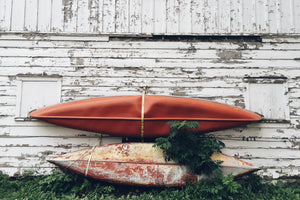
Credit: www.baysports.com.au
Types And Variations
Kayaks and canoes offer varied experiences on water. Each has unique types and variations. Understanding these helps choose the right vessel for your needs.
Recreational Options
Recreational kayaks are popular for casual paddling. They have a sit-on-top design, making them stable. These kayaks are great for beginners exploring lakes or calm waters.
Canoes are open and spacious. They are ideal for family outings. You can pack a picnic and enjoy a day on the water. Canoes are also easy to paddle.
Specialized Uses
Whitewater kayaks are for thrill-seekers. They are shorter and designed for rapids. Their agility helps maneuver through fast-moving water.
Fishing kayaks come with extra features. They have rod holders and storage space. Anglers find them practical for reaching remote fishing spots.
Expedition canoes are built for long trips. They have large cargo capacity. These canoes handle heavy loads and are suitable for camping adventures.
Materials And Durability
Kayaks and canoes differ mainly in materials and durability. Kayaks often use lightweight fiberglass or plastic, offering more speed. Canoes typically utilize durable wood or aluminum, providing stability.
In the world of water sports, understanding the materials and durability of kayaks and canoes is crucial. Both crafts have unique construction elements impacting their performance and longevity. Knowing these differences helps in making an informed decision.Common Materials
Kayaks and canoes are made from various materials. Common ones include polyethylene, fiberglass, and Kevlar. Polyethylene is affordable and durable. It’s a popular choice for beginners. Fiberglass offers a lightweight and sleek design. It enhances speed and maneuverability. Kevlar is used for high-end models. It provides strength and is extremely lightweight.Longevity Considerations
Durability varies based on materials. Polyethylene kayaks and canoes resist impacts. They can withstand rough conditions. Fiberglass requires careful handling. It may crack if not properly maintained. Kevlar offers excellent durability. It’s ideal for long-term use. Regular maintenance ensures longer life for all materials. Proper care involves cleaning and storing away from harsh elements.Performance And Speed
When you’re out on the water, the performance and speed of your vessel can make all the difference in your experience. Whether you’re paddling for leisure or racing against the clock, understanding the dynamics of kayaks and canoes can help you choose the right vessel for your adventure. While both offer unique experiences, they differ significantly in how they handle and move through the water.
Water Dynamics
Kayaks are designed with a streamlined shape, allowing them to slice through the water effortlessly. This sleek design minimizes water resistance, making it easier to paddle at higher speeds. The low profile of a kayak also means less wind resistance, a feature you’ll appreciate when paddling in breezy conditions.
Canoes, on the other hand, have a wider, open design. While this provides excellent stability, it also means more surface area contacts the water, increasing drag. This design is perfect for leisurely paddling or navigating calm waters, but it may not offer the same speed potential as kayaks.
Speed Factors
Several factors affect the speed of kayaks and canoes. The length of a kayak typically contributes to its speed; longer kayaks glide faster due to reduced drag. The paddler’s technique also plays a crucial role; skilled kayakers can achieve impressive speeds with efficient strokes.
Canoes rely heavily on paddling synchronization, especially in tandem setups. While they can be fast, achieving top speed requires coordination between paddlers. Solo canoeists might find it challenging to reach the speeds kayaks can attain, but they gain stability and ample space for gear.
Have you ever felt the thrill of racing across a lake in a sleek kayak, or enjoyed the calm of a canoe gliding gently along a river? Understanding these differences can guide your choice, ensuring your next water adventure is perfectly suited to your desires for speed and performance.
Safety And Stability
Kayaks offer greater stability with their enclosed design, making them ideal for rough waters. Canoes, open and spacious, prioritize safety with easier entry and exit, suitable for calmer conditions.
Safety and stability are crucial factors when choosing between a kayak and a canoe. Both offer unique experiences on the water, but their design affects how safe and stable they are. Understanding these differences can help you make an informed choice.Balancing Features
Kayaks are designed with a lower center of gravity. This design helps maintain balance, even in rough waters. The enclosed cockpit also helps keep the paddler secure. Canoes, with their open tops, can feel less stable. They have a higher center of gravity, making them more susceptible to tipping. However, their wider base provides good stability in calm waters.Safety Equipment
Kayaks often come with built-in safety gear. Features include grab handles and bungee cords. These additions make it easy to secure belongings. Canoes typically require additional safety equipment. You might need to bring life jackets and floatation devices. Always ensure you have the necessary gear for your trip.Popular Uses
Kayaks are typically used for individual adventures and navigating rapid waters. Canoes are great for leisurely paddling and family outings on calm lakes. Both offer unique experiences and are popular choices for water enthusiasts.
Kayaks and canoes, while similar in appearance, serve distinct purposes and have unique characteristics that cater to various activities. Whether you’re paddling through serene waters or tackling roaring rapids, understanding their popular uses can help you decide which vessel suits your adventure best. Let’s dive into the common uses of kayaks and canoes, and explore which might be your perfect match.Sport And Recreation
Kayaks are a favorite choice for sport enthusiasts. Their sleek design allows for high-speed paddling, making them ideal for racing and whitewater challenges. If you crave adrenaline, whitewater kayaking will test your skills as you navigate tumultuous waters. Canoes, on the other hand, are perfect for leisurely outings on calm lakes and rivers. They offer stability and space, making them a great option for family adventures or group outings. Imagine a tranquil afternoon paddling a canoe with loved ones, surrounded by nature’s beauty.Fishing And Touring
Fishing enthusiasts often lean towards kayaks for their stealth and maneuverability. Sit-on-top kayaks, in particular, provide easy access to gear and the ability to cast lines without disturbance. You can glide silently into your favorite fishing spots, increasing your chances of a great catch. Canoes excel in touring, especially for longer journeys requiring more gear and supplies. Their spacious interiors can accommodate camping equipment, making them ideal for multi-day excursions. Picture yourself paddling through remote waters, with all you need packed neatly in your canoe. Which vessel aligns with your adventure spirit? Whether it’s the thrill of the sport or the serenity of fishing and touring, understanding these popular uses can enhance your experience on the water.Choosing The Right Option
Deciding between a kayak and a canoe depends on your activity preferences. Kayaks are sleek and fast, ideal for solo adventures. Canoes offer more space and stability, perfect for family outings or carrying gear.
Choosing the right option between a kayak and a canoe can be challenging. Both offer unique experiences on water. Your decision depends on several factors. Consider skill level and intended use to guide your choice.Skill Level
Kayaking generally requires less skill for beginners. Kayaks are more stable and easier to maneuver. Canoes may demand more skill to paddle efficiently. Novices might find steering a canoe challenging at first. Advanced paddlers enjoy the versatility of both. Skill level influences how enjoyable your experience will be.Intended Use
The choice between kayak and canoe often hinges on intended use. Kayaks are ideal for solo adventures or speedy trips. They excel in white-water and sea conditions. Canoes are perfect for family outings and leisurely paddles. They offer more space for gear and companions. Consider what type of water activity you prefer.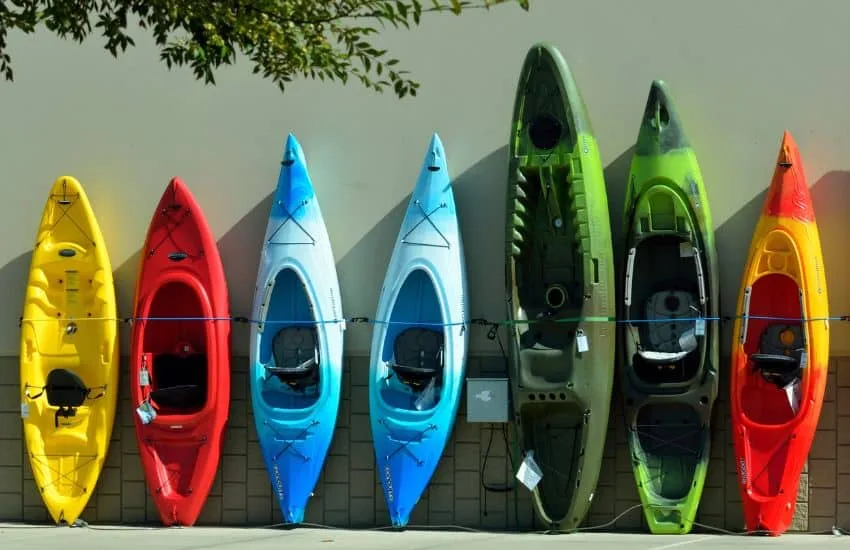
Credit: stevecleverdon.com
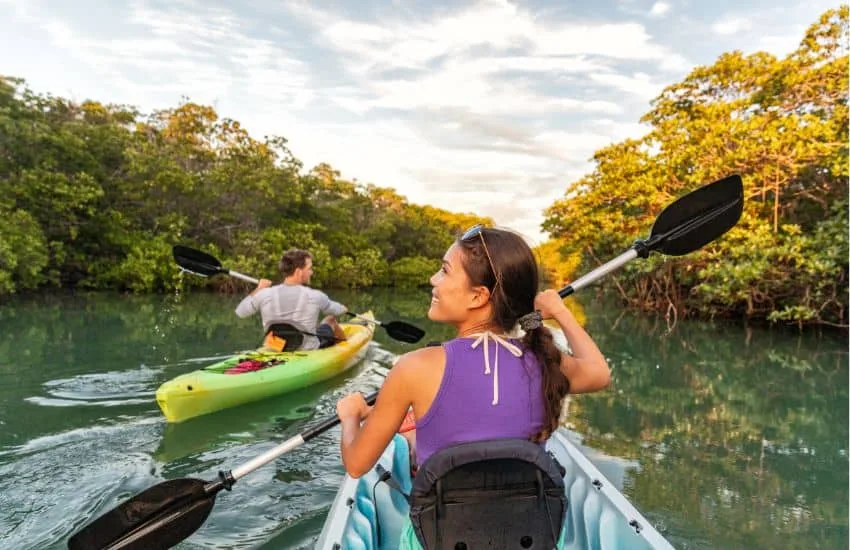
Credit: stevecleverdon.com
Frequently Asked Questions
Is Canoeing Harder Than Kayaking?
Canoeing and kayaking have different challenges. Canoeing demands more skill for steering and balance. Kayaking offers easier maneuverability with double-bladed paddles. Skill level, water conditions, and personal preference influence difficulty.
Which Is Safer, A Canoe Or A Kayak?
Kayaks are generally considered safer for rough waters due to their enclosed design. Canoes provide better stability on calm waters. Always wear a life jacket and consider your skill level and water conditions before choosing.
What Is The Difference Between A Competitive Canoe And A Kayak?
A competitive canoe uses a single-bladed paddle, while a kayak uses a double-bladed paddle. Canoeists kneel or sit, while kayakers sit with legs extended. Canoes are open-topped; kayaks have a closed cockpit.
Is A Canoe Or Kayak Better For Beginners?
Canoes offer more stability and space, ideal for beginners seeking a leisurely experience. Kayaks are faster and more agile, suitable for those wanting a bit more excitement. Beginners should choose based on their preference for stability or speed. Always consider safety and comfort in your choice.
Conclusion
Kayaks and canoes serve different needs. Kayaks are nimble and fast. Canoes offer stability and space. Choosing between them depends on your adventure. Prefer speed? Pick a kayak. Need room? Go for a canoe. Both provide unique experiences. Water sports enthusiasts enjoy both.
Consider your goals and surroundings. Each has its perks. Try both to find your favorite. Enjoy the journey, whether paddling a kayak or canoe. Discover what fits your lifestyle best. Explore new waters and adventures. Paddle on, and embrace the thrill of exploration.