
Are you standing on the shore, dreaming of gliding across tranquil waters, but unsure about which kayak to choose? You’re not alone.
Picking the right kayak can feel like navigating through a sea of options, each claiming to be the best. But which one truly suits your needs? Whether you’re a weekend adventurer, a fishing enthusiast, or someone looking to explore the serene beauty of nature, selecting the right kayak is crucial.
This guide will help you cut through the noise and find the perfect kayak that matches your style and preferences. Keep reading to discover the key factors you need to consider, and make your next paddling adventure unforgettable.
Credit: www.outdoorgearlab.com
Types Of Kayaks
Choosing the right kayak can be overwhelming. There are many types available. Each type suits different needs and water conditions. Understanding these can help make the best choice for your adventure.
Recreational Kayaks
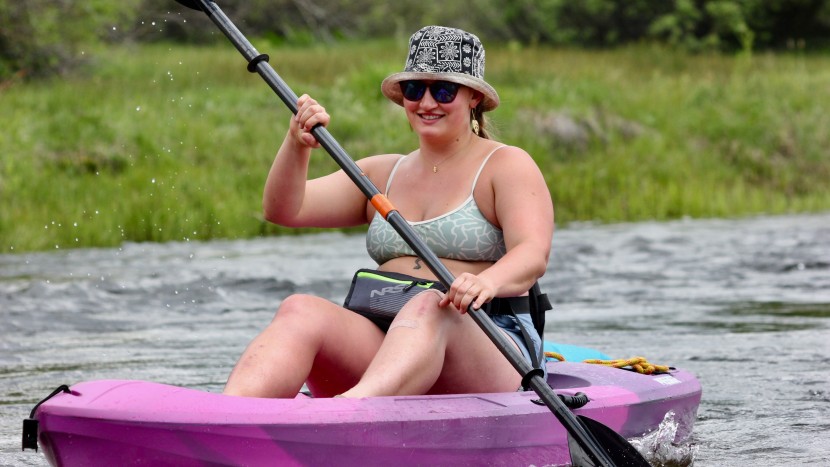
Recreational kayaks are great for beginners. They are stable and easy to use. Ideal for calm waters like lakes and slow-moving rivers. They are affordable and lightweight. Perfect for a relaxing day on the water.
Touring Kayaks
Touring kayaks are designed for long trips. They are sleek and fast. This type is perfect for open waters like seas and large lakes. They have storage space for gear. Ideal for adventurous paddlers who travel long distances.
Whitewater Kayaks
Whitewater kayaks are for thrill-seekers. They are short and maneuverable. Designed to handle rapids and fast rivers. They require skill to operate. Great for those who love an adrenaline rush.
Fishing Kayaks
Fishing kayaks have special features. They include rod holders and tackle storage. Stable and comfortable for long hours on water. Perfect for anglers who want a quiet fishing spot. They make fishing easier and more enjoyable.
Inflatable Kayaks
Inflatable kayaks are convenient and portable. Easy to store and transport. Ideal for those with limited space. They are durable and versatile. Suitable for both calm and moderate waters.
Choosing Based On Usage
Choosing the right kayak can be overwhelming with the wide variety available. But, by considering how you plan to use it, the decision becomes clearer. Whether you’re looking to paddle leisurely on a calm lake or conquer the raging rapids, selecting a kayak based on your specific needs ensures a better experience.
Casual Paddling
If you’re looking to enjoy a relaxed day on the water, a recreational kayak is your best bet. These kayaks are designed for stability and ease of use, making them perfect for beginners. They typically have a wider hull which provides balance, allowing you to enjoy the scenery without worrying about tipping over.
Consider how often you’ll be paddling. Are you just testing the waters or planning regular outings? For occasional trips, investing in a basic model might be sufficient. However, if you foresee frequent paddling adventures, you might want a kayak with more features, like adjustable seats for added comfort.
Long-distance Touring
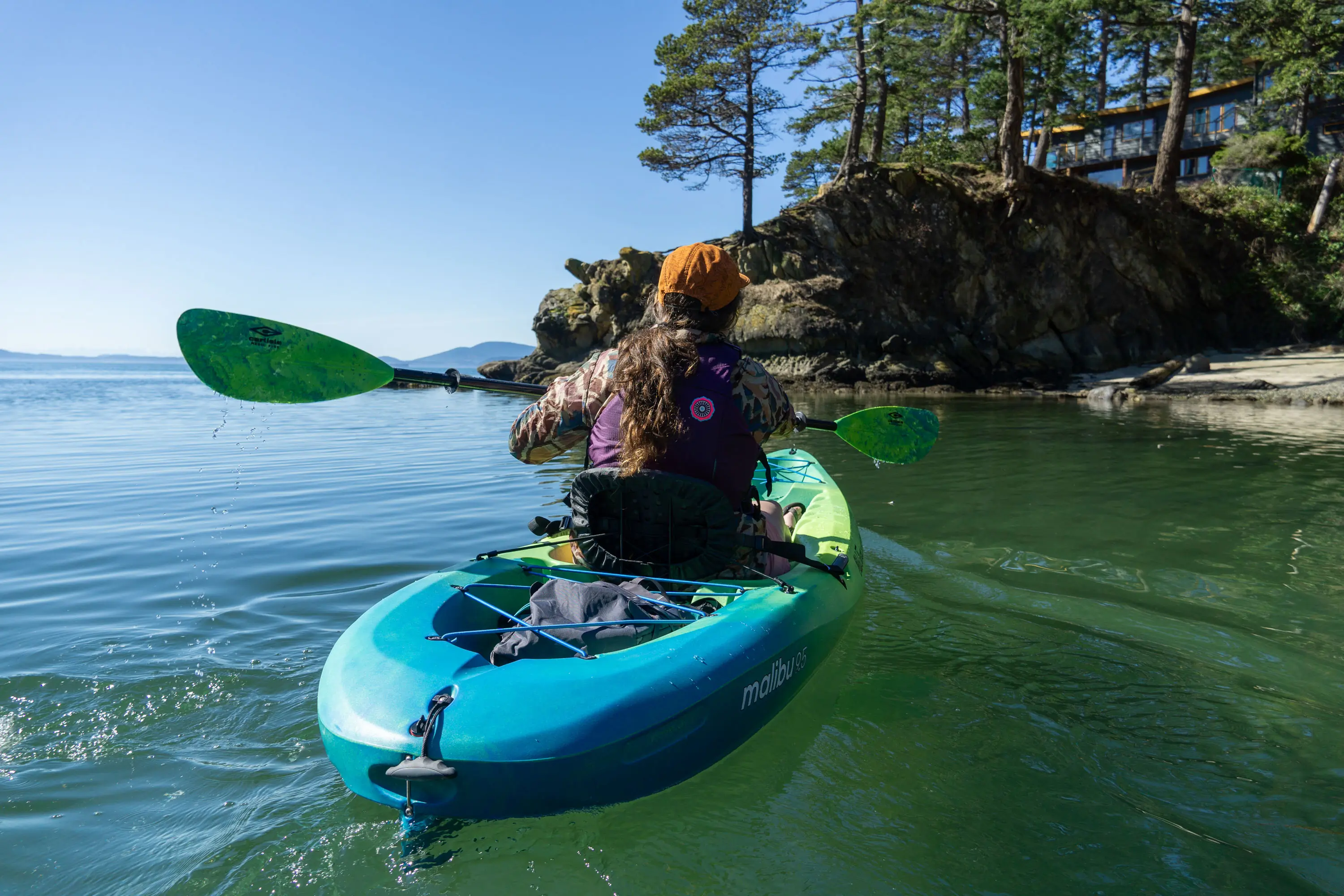
For those who crave adventure, touring kayaks offer the perfect solution. These kayaks are built for speed and efficiency, ideal for covering large distances. Their sleek design allows you to glide effortlessly through the water, making long journeys more enjoyable.
Think about the storage space. Are you planning multi-day trips? Touring kayaks often come with ample storage options, like waterproof hatches, so you can pack everything you need for your journey. Adding a GPS or compass can also enhance your experience by keeping you on course.
River Rapids
For the thrill-seekers, whitewater kayaks are designed to tackle river rapids. These kayaks are shorter and have a more rounded hull, allowing for quick turns and maneuvers. They’re built to withstand rough waters, making them durable and reliable.
Assess your skill level. Are you a seasoned pro or a beginner looking to try something new? If you’re just starting out, consider taking a course to learn the basics of whitewater kayaking. Safety gear, like helmets and life jackets, is also crucial to ensure a safe experience.
Fishing Adventures
Fishing kayaks are tailored for anglers who want to combine their love for paddling with fishing. These kayaks often come with built-in features like rod holders and storage for tackle boxes, making them convenient and efficient for fishing trips.
Evaluate your fishing needs. Are you planning to fish in freshwater or saltwater? Some fishing kayaks are designed specifically for certain environments, so choosing one that matches your fishing location can enhance your catch. Consider adding a fish finder to locate fish easily and improve your fishing experience.
Material Considerations
Choosing the right kayak depends on its material. Plastic kayaks are affordable and durable for beginners. Fiberglass kayaks offer better performance but at a higher cost. Consider the weight and storage needs based on your usage and transport options.
Choosing the right kayak material is crucial for your paddling experience. Different materials offer unique benefits and challenges. Understanding these can help you make an informed decision.Polyethylene
Polyethylene is a popular choice due to its durability and affordability. It’s resistant to impacts, making it perfect for beginners or those who paddle in rocky areas. However, it can be heavier compared to other materials, which might make it challenging to transport. If you’re someone who enjoys a rugged adventure, a polyethylene kayak can withstand a lot of wear and tear. But consider if you’re okay with lugging around a bit of extra weight.Composite
Composite kayaks, made from materials like fiberglass and carbon fiber, are known for their performance. They’re lightweight and offer excellent speed and responsiveness. This makes them ideal for experienced paddlers or those interested in racing. A friend of mine swears by her composite kayak for its agility in the water. But remember, this type of kayak can be more expensive and requires careful handling to avoid damage. Are you ready to invest in performance?Inflatable Materials
Inflatable kayaks offer unmatched convenience. They’re easy to transport and store, making them perfect for those with limited space. Modern inflatable designs are surprisingly durable, though they may not offer the same performance as rigid kayaks. If you’ve ever struggled to fit a kayak into your car, an inflatable one might be your solution. They are fantastic for casual paddling and travel, but consider if they meet your performance needs. Each material has its strengths and weaknesses. Think about where and how often you’ll use your kayak. What matters most to you—durability, performance, or convenience?Size And Weight Factors
Choosing the right kayak involves considering size and weight. A lightweight kayak offers easier transport and handling. Larger kayaks provide more storage and stability, ideal for longer trips or rough waters.
Choosing the right kayak involves many considerations, and size and weight are crucial factors that can influence your overall experience. Whether you’re a seasoned paddler or a beginner, understanding these aspects will help you select a kayak that suits your needs. Let’s dive into the specifics to ensure your choice is a perfect fit.Length And Width
The length and width of a kayak significantly affect its performance and stability. Longer kayaks typically offer better speed and are ideal for covering long distances on open waters. However, shorter kayaks are more agile and easier to maneuver, making them suitable for rivers and tight spaces. Width plays a role in stability. Wider kayaks provide more stability, which is beneficial for beginners or those interested in activities like fishing. Think about where you’ll be kayaking most and choose a size that aligns with your paddling goals.Weight Capacity
Understanding weight capacity is essential to ensure safety and performance. Every kayak has a maximum weight limit, which includes the weight of the paddler and any gear you plan to bring. Exceeding this limit can affect the kayak’s balance and maneuverability. Consider your weight plus the gear and supplies you’ll carry. It’s wise to choose a kayak with a weight capacity that exceeds your total load for optimal performance. Have you ever tried balancing on an overloaded kayak? It’s an adventure you’d rather avoid!Portability
Portability can greatly influence your kayaking experience, especially if you plan to transport your kayak often. Heavier kayaks can be challenging to load onto a car or carry to the water, while lighter models are easier to handle solo. If you live in an apartment or have limited storage space, a portable or inflatable kayak might be the perfect solution. Think about how often you’ll need to transport your kayak and how far you’ll need to carry it. Your back will thank you later! Choosing the right kayak is about balancing these factors with your personal needs and preferences. What does your ideal kayaking adventure look like?Features To Look For
Choosing the right kayak can make a huge difference in your adventures. The features you select will impact comfort, storage, and stability. Here’s what to consider when deciding on the perfect kayak for you.
Comfortable Seating
Comfort is key in kayaking. Look for adjustable seats with good padding. A supportive backrest can reduce strain on long trips. Make sure seat materials resist water and wear. Test the seat to ensure it fits your body well.
Storage Options
Ample storage is crucial for carrying gear and essentials. Check for dry compartments to keep items secure. Bungee cords on the deck can hold extra gear. Consider how easy it is to access storage while paddling. Make sure there’s enough space for your needs.
Stability Features
Stability affects your balance and safety on water. Wider kayaks usually offer better stability. Look for a hull design that suits your experience level. Beginners may prefer flatter hulls. Test the kayak’s stability in different conditions if possible.
Budget-friendly Options
Discover budget-friendly kayaks that offer quality and durability. Consider inflatable models for portability and ease of storage. Choose a reliable brand that fits your outdoor adventure needs without breaking the bank.
When you’re eager to dip your paddle into the world of kayaking without breaking the bank, budget-friendly options are your best bet. Finding the right kayak means weighing your needs against what’s available. Whether you’re a weekend warrior or someone who just wants a leisurely float, there’s a cost-effective kayak waiting for you. Let’s dive into some affordable models and high-end investments that won’t leave your wallet empty.Affordable Models
Navigating the vast sea of kayak choices can be overwhelming. Luckily, there are models designed to offer great value without sacrificing quality. Consider the Intex Explorer K2. It’s an inflatable kayak that’s perfect for beginners and those short on storage space. Its lightweight design makes it easy to transport and it’s surprisingly durable. For those who prefer a hard shell, the Pelican Sentinel 100X is a popular choice. It’s compact, stable, and offers excellent maneuverability for its price. Think about what features matter most to you. Are you looking for portability or durability? Knowing your priorities can guide you to the perfect kayak without overspending.High-end Investments
Sometimes, spending a bit more upfront can save money in the long run. Investing in a higher-end kayak often means better materials and craftsmanship. The Perception Pescador Pro 12 offers a blend of performance and comfort. Its adjustable seat and ample storage make it ideal for long days on the water. Similarly, the Wilderness Systems Tarpon 105 is a top choice for those who want a versatile kayak that can handle diverse water conditions. Its design ensures stability, making it suitable for both novices and seasoned paddlers. Ask yourself, are you ready to invest in a kayak that will last for years? High-end models can be a rewarding choice if you plan on kayaking frequently and want something that adapts to your growing skill set.Top Picks By Experts
Choosing the right kayak can be overwhelming. Experts have narrowed down the best options for various needs. Whether you’re a beginner or seasoned paddler, these picks will guide you.
Best For Beginners
Beginners need stability and ease of use. The Pelican Maxim 100Xis ideal. It’s lightweight and easy to handle. Its design ensures smooth paddling. With a comfortable seat, it offers great support. This kayak helps build confidence on water.
Best For Experts
Experienced kayakers seek performance and agility. The Wilderness Systems Tempest 170excels in challenging conditions. It’s fast and responsive. This kayak offers precision control. Built for long-distance journeys, it’s perfect for seasoned paddlers.
Best All-rounder
If you want versatility, the Perception Pescador Pro 12fits the bill. It’s great for fishing and leisure paddling. Stable and spacious, it suits various activities. With adjustable seating, comfort is guaranteed. This kayak adapts to diverse environments.
Credit: gearjunkie.com
Maintenance Tips
Discover the best kayak by considering your intended use, skill level, and budget. Research different types like recreational, touring, or fishing kayaks to find the perfect match. Don’t forget to check reviews and test the kayak for comfort and stability.
Maintaining your kayak ensures it stays in top condition for years. A well-maintained kayak enhances performance and safety. Let’s explore essential maintenance tips to keep your kayak in prime shape.Cleaning And Storage
Rinse your kayak with fresh water after each use. Salt and dirt can damage the material over time. Use mild soap for stubborn stains. Avoid harsh chemicals as they may degrade the kayak’s surface. Dry the kayak thoroughly before storage to prevent mold. Store your kayak indoors if possible. Use a kayak rack or hang it from the ceiling. This prevents warping and keeps it safe from harsh weather. If indoor storage isn’t an option, cover your kayak with a weather-resistant tarp. Ensure it’s secured to avoid wind damage.Regular Checks
Inspect your kayak for any cracks or dents. Pay special attention to the hull and seams. Small cracks can become bigger problems. Address them immediately with a repair kit. Check all fittings and hardware regularly. Tighten loose screws and replace worn-out parts. Examine the kayak’s paddle and seat for wear and tear. Keeping everything in check ensures a safe paddling experience. Maintain a checklist of essential maintenance tasks. Regular upkeep extends the life of your kayak. It also provides peace of mind while on the water.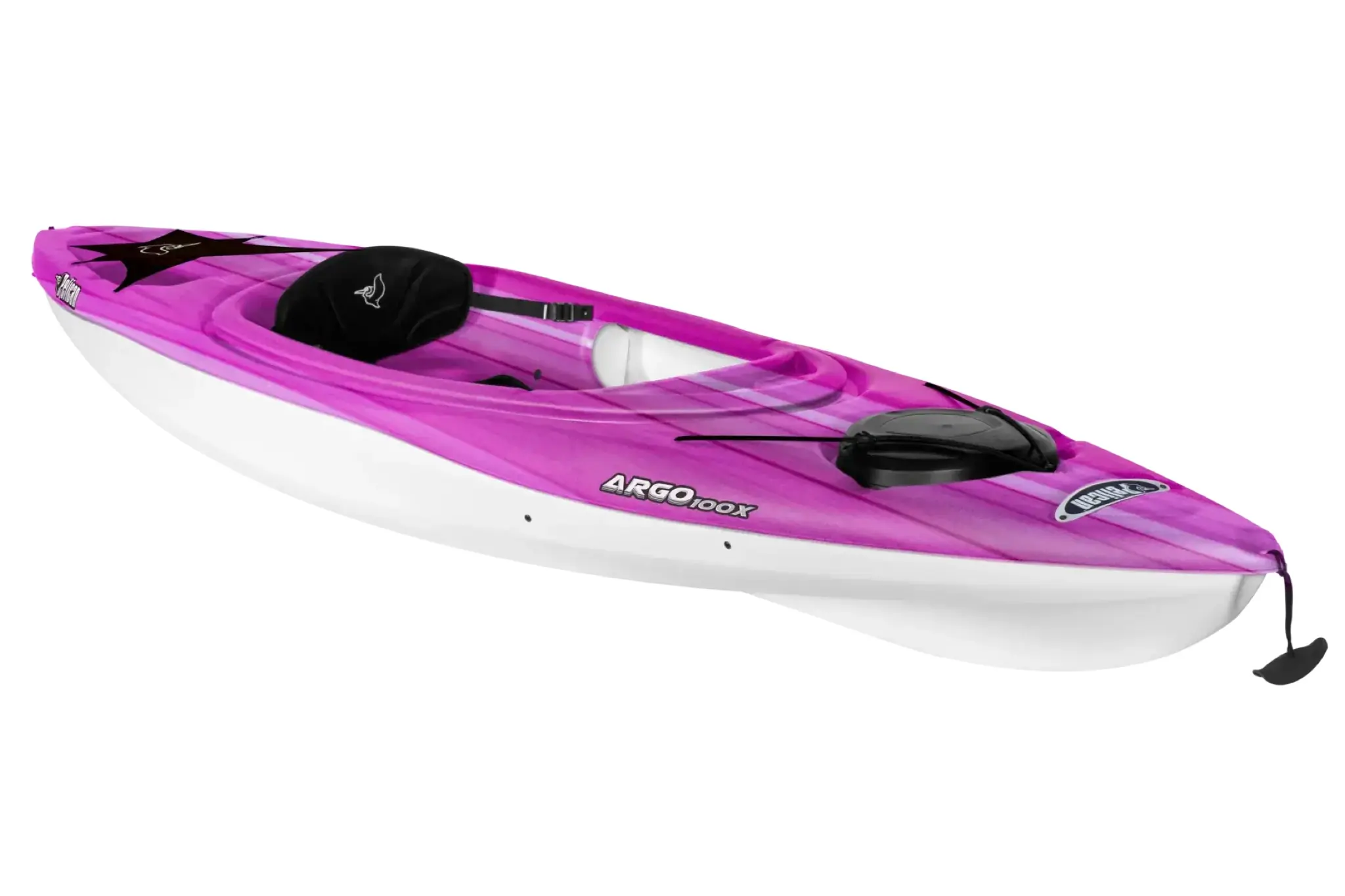
Credit: gearjunkie.com
Frequently Asked Questions
How Do I Choose The Right Kayak For Me?
Consider your kayaking goals, water type, and experience level. Test different sizes and styles for comfort. Check weight capacity and storage options. Prioritize stability for beginners, speed for advanced users. Always consult reviews and expert recommendations for the best choice.
What Is The 120 Rule For Kayaking?
The 120 rule advises kayakers to ensure the combined air and water temperature is at least 120°F. This helps prevent hypothermia by indicating suitable conditions for kayaking without additional protective gear. Always dress appropriately for the water temperature, not just the air temperature.
What Is The Best Kayak For The Money?
The best kayak for the money is the Perception Pescador Pro. It offers durability, comfort, and excellent performance. Ideal for both beginners and experienced paddlers, it includes adjustable seating and ample storage. Its affordability and quality make it a top choice in the kayak market.
Is An 8ft Or 10ft Kayak Better?
Choose an 8ft kayak for maneuverability and easy transport. Opt for a 10ft kayak for better stability and tracking. Your decision depends on your paddling needs and storage space. Each size offers unique benefits for different kayaking experiences.
Conclusion
Choosing the right kayak depends on your needs and experience. Think about where you plan to paddle. Lakes, rivers, or the ocean? Each type of water requires a different kayak. Also, consider your storage space and transportation options. A lightweight kayak is easier to carry.
Budget matters too. High-end models offer more features, but affordable options are great for beginners. Remember, comfort is key. Test different seats and paddles before buying. Take your time, research well, and find the kayak that fits your adventure style.
Happy paddling!