
Are you ready to dive into the world of kayaking but unsure where to start? Choosing the right kayak can feel overwhelming with so many options available.
Whether you’re dreaming of serene river paddles, thrilling whitewater adventures, or peaceful lake excursions, the right kayak can make all the difference. Imagine gliding effortlessly through the water, feeling the sun on your face and the splash of the waves.
But to experience this, you need a kayak that matches your needs and aspirations. In this guide, you’ll discover exactly what kind of kayak suits you best, ensuring every paddle is a joy. Get ready to find your perfect match and make unforgettable memories on the water.
Credit: paddlingmag.com
Types Of Kayaks
Choosing the right kayak depends on your intended activities. Each type offers unique features suited for different water adventures. Whether you’re paddling through serene lakes or tackling rapids, understanding the types can enhance your experience.
Recreational Kayaks
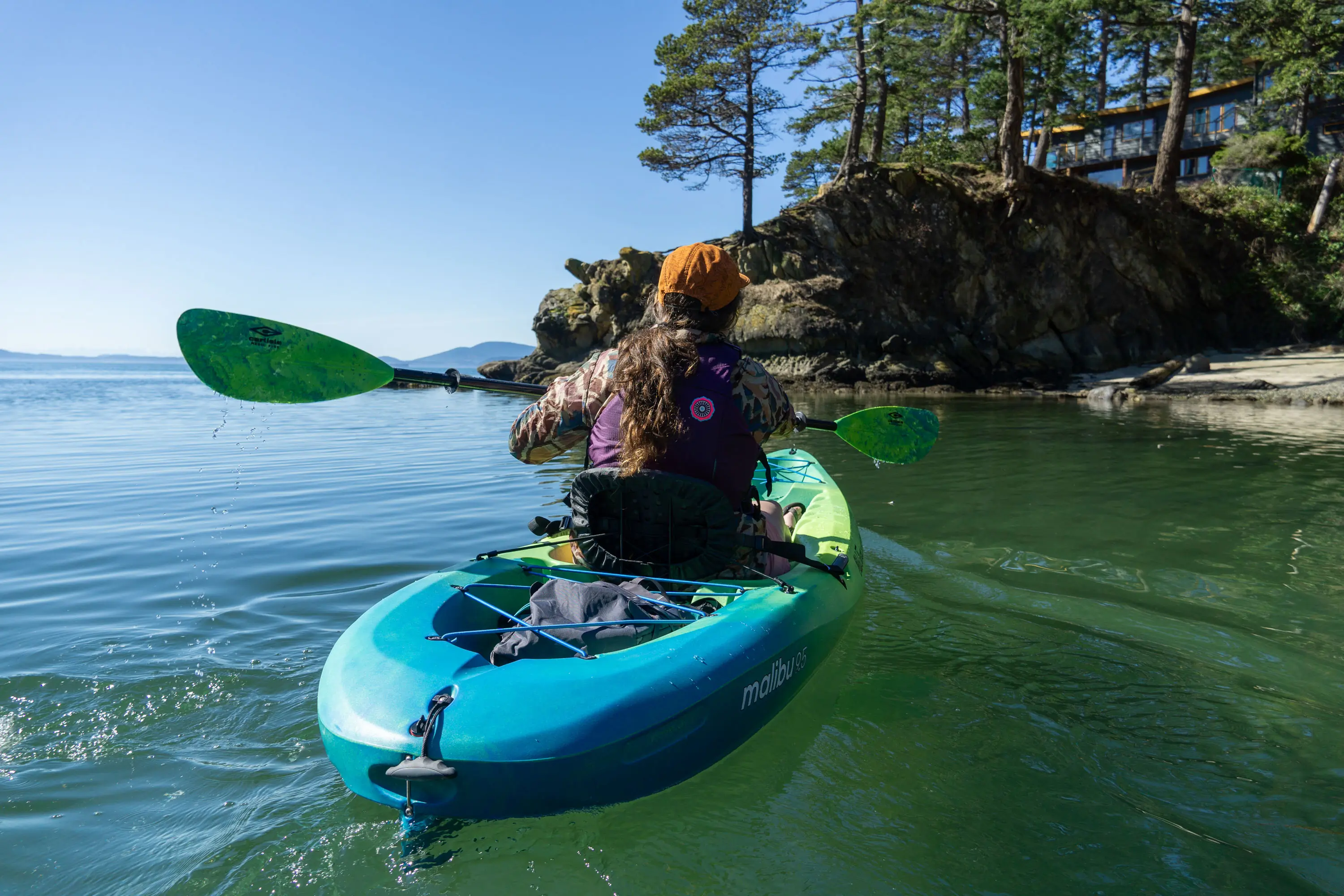
Recreational kayaks are perfect for beginners. They are stable and easy to maneuver. Ideal for calm waters like lakes and slow rivers. Comfort is a priority, with ample space for paddlers.
Touring Kayaks
Touring kayaks are designed for longer trips. They have storage for gear and supplies. Sleek and efficient, they glide easily through water. Great for exploring coastlines or large lakes.
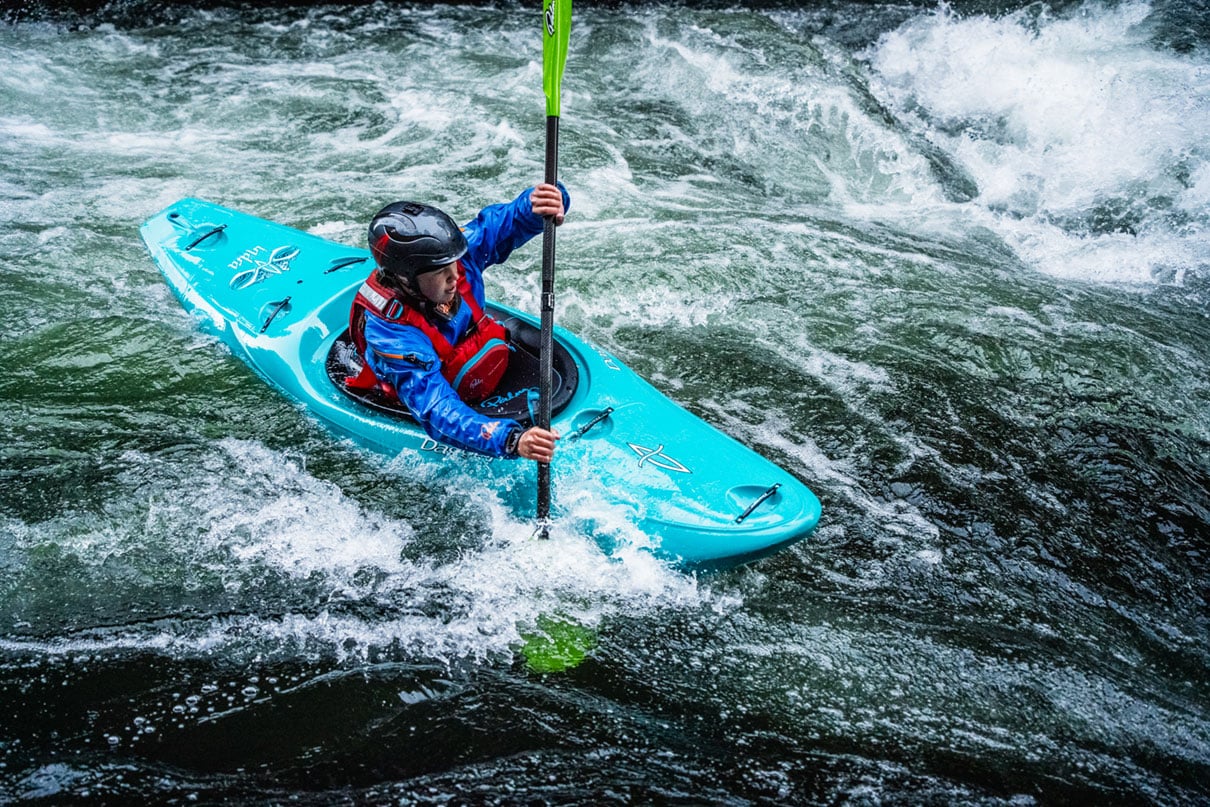
Whitewater Kayaks
Whitewater kayaks are built for adventure. Compact and agile, they handle rough waters. Perfect for navigating rapids and swift currents. A choice for thrill-seekers and experienced paddlers.
Inflatable Kayaks
Inflatable kayaks offer convenience and portability. Easy to store and transport. Suitable for various water conditions. Ideal for those with limited storage space.
Fishing Kayaks
Fishing kayaks come equipped for anglers. They provide stability for casting lines. Features include rod holders and storage compartments. Designed to enhance the fishing experience.
Material Considerations
Choosing the right kayak material is crucial for performance and longevity. Each material offers distinct benefits suited for different kayaking needs. Understanding these can guide your purchase decision.
Plastic Vs. Composite
Plastic kayaks are popular for their affordability and durability. They withstand bumps and scratches well. Plastic is heavier, which might affect performance in water. Composite kayaks, made from fiberglass or carbon, offer a sleek and lightweight design. They excel in speed and maneuverability but tend to be pricier and less impact-resistant.
Inflatable Materials
Inflatable kayaks use durable materials like PVC or Hypalon. These kayaks are easy to transport and store. They offer good buoyancy and stability. Inflatable materials have improved, providing better durability than before. Suitable for calm waters and recreational use.
Durability And Weight
Durability varies with materials. Plastic kayaks are robust but heavier. Composite options are lighter but need careful handling. Inflatable kayaks have balanced weight and durability, ideal for easy transport. Consider the weight if you plan to carry your kayak often.
Kayak Sizes And Shapes
Choosing the right kayak size and shape impacts your paddling experience. Kayaks come in various sizes and shapes, each designed for specific activities and conditions. Understanding how these dimensions affect performance helps you make an informed decision.
Length And Width
Kayak length influences speed and tracking. Longer kayaks are faster but harder to maneuver. Shorter kayaks turn easily, ideal for rivers and tight spaces. Width affects stability. Wider kayaks are stable but slower. Narrow kayaks cut through water easily, perfect for racing.
Cockpit Size
Cockpit size determines comfort and accessibility. Large cockpits offer easy entry and exit, suitable for beginners. Smaller cockpits provide better control and protection, preferred in rough waters. Always consider your body size and gear when choosing.
Hull Shape
Hull shape impacts performance and stability. Flat hulls offer stability, great for calm waters. V-shaped hulls enhance speed and tracking, ideal for open water. Rounded hulls balance speed and stability, versatile for different conditions.
Kayak Features
Choosing the right kayak involves understanding its features. Each feature impacts your kayaking experience. Let’s explore key features that make a difference.
Storage Options
Kayaks offer various storage solutions. Some have small compartments. Others have larger spaces for gear. Think about what you’ll bring along. Waterproof hatches keep items dry. Bungee cords allow quick access. Consider how much space you need.
Seating Comfort
Comfort in seating is crucial for long trips. Adjustable seats provide better support. Look for padded seats for added comfort. Backrests help reduce fatigue. Ensure the seat fits your body type. This feature can make or break your adventure.
Rudder And Skeg
Rudders and skegs help with steering. Rudders are controlled by foot pedals. They help in windy conditions. Skegs are fixed and improve tracking. Choose based on your paddling environment. Both features enhance control.
Budget And Pricing
Choosing the right kayak hinges significantly on your budget and pricing considerations. Whether you’re a beginner or a seasoned paddler, understanding what you can afford and what you need is crucial. Diving into the world of kayaks, you’ll find options ranging from economical models to high-end masterpieces. Let’s explore what fits your wallet and paddling aspirations.
Entry-level Options
Entry-level kayaks are perfect if you’re just dipping your toes into the water. They often come at a price that won’t break the bank, making them accessible for casual paddlers. These models are typically lightweight and made from durable plastic, providing stability for beginners.
- Price Range: $200 – $500
- Material: High-density polyethylene
- Features: Basic seating, minimal storage
Imagine paddling on a serene lake, learning the basics without worrying about the hefty investment. Entry-level kayaks offer just that—an opportunity to explore without financial strain.
Mid-range Kayaks
Mid-range kayaks hit the sweet spot for hobbyists who crave a little more from their paddling experience. These kayaks often boast enhanced features such as improved seating and better tracking. They cater to those who paddle frequently and seek comfort and performance.
- Price Range: $500 – $1,000
- Material: Composite or advanced plastics
- Features: Adjustable seats, more storage space
If you envision yourself exploring different water bodies more regularly, mid-range kayaks offer a balance between quality and cost. It’s a worthwhile investment for those ready to advance their skills.
High-end Models
High-end kayaks are for the enthusiast who wants nothing but the best. These models offer top-notch materials and cutting-edge designs, providing unmatched speed and agility. They are perfect for adventure seekers and professionals.
- Price Range: $1,000 and above
- Material: Fiberglass, carbon fiber
- Features: Customizable options, superior performance
Picture yourself gliding effortlessly across the ocean, with every paddle stroke feeling smooth and precise. High-end kayaks deliver this experience, making them a coveted choice for those who live for the thrill of the paddle.
Consider what you truly need in a kayak and match it with what you can afford. How much are you willing to invest in your paddling adventures?
Credit: gearjunkie.com
Intended Use
Choosing the right kayak depends on your intended use. Whether you’re seeking calm waters, braving rough conditions, or planning long-distance trips, each scenario requires a specific kayak type. Understanding the differences will guide you toward the best choice for your adventures.
Calm Waters
For peaceful lakes or slow-moving rivers, a recreational kayak is ideal. These kayaks offer stability and are easy to maneuver. They are perfect for beginners and those who enjoy a leisurely paddle. With a wider hull, they provide balance, making them safe and comfortable.
Rough Waters
In rough waters like oceans or whitewater rivers, a sit-on-top or whitewater kayak is better. These kayaks are designed for agility and control. They feature a narrower shape and are often shorter, allowing quick turns. The material is durable, able to withstand bumps and waves.
Long-distance Trips
For long-distance trips, consider a touring or sea kayak. These kayaks are built for speed and efficiency over long distances. They have a longer, slimmer design, which allows them to glide through water with ease. Storage compartments offer space for gear and supplies, making them perfect for multi-day adventures.
Where To Buy
Choosing a kayak depends on your needs. For calm waters, a recreational kayak is ideal. For longer trips, consider a touring kayak.
When it comes to purchasing a kayak, knowing where to buy is just as crucial as knowing what type to buy. The place you choose to make your purchase can impact the options available to you, the price, and even the advice you receive. Let’s explore various avenues where you can snag your perfect kayak.Online Retailers
Shopping for a kayak online offers unparalleled convenience. Websites like Amazon, REI, and Dick’s Sporting Goods provide a vast selection of kayaks from recreational to advanced models. You can easily compare prices and read reviews from other buyers. Often, online retailers offer seasonal discounts, which can be a great way to save money. However, the downside is you can’t physically test the kayak before buying. Consider using virtual reality tools or online demos to get a feel for the kayak’s features.Specialty Stores
Specialty stores dedicated to outdoor sports can be invaluable. Here, you get the advantage of expert advice from passionate staff who live and breathe kayaking. These stores often allow you to try before you buy, which can be crucial in finding the right fit. Imagine the satisfaction of paddling in a test pool to ensure your choice feels right. While prices might be higher than online, the personalized service and opportunity to test the kayak often outweigh the cost difference.Second-hand Options
Buying a second-hand kayak can be a smart move if you’re budget-conscious. Platforms like Craigslist, Facebook Marketplace, or even local bulletin boards can offer great deals. Be sure to inspect the kayak carefully for any damage or wear. Ask the seller about its history and why they’re selling it. Sometimes, you might find a gem with minimal use—perfect for getting started without breaking the bank. Would you consider a second-hand kayak if it meant saving money for a better paddle or gear?Try Before You Buy
Choosing the right kayak depends on how you plan to use it. Trying before buying helps you find the perfect fit. Test different models for comfort, stability, and performance on water.
Trying out a kayak before making a purchase can make a world of difference. It’s like taking a car for a spin before buying. You’ll get to feel how it moves, how comfortable it is, and if it suits your kayaking style. Many first-time buyers overlook this step, but it’s crucial to ensure you make an informed decision. So, how can you try before you buy?Demo Days
Demo days are like open houses for kayaks. These events are usually organized by kayak shops or manufacturers to showcase their products. You can paddle different models back-to-back on the same water, making comparisons easy. It’s a fantastic opportunity to ask questions and get advice from experts on-site. Check with local shops or online forums for upcoming demo days in your area.Rentals
Renting a kayak is another great way to test the waters. Most rental places offer a variety of models, so you can try different types over a few outings. This option lets you explore how a kayak performs in real-world conditions. You can take note of what you like or dislike about each model. Plus, renting is usually affordable, making it a low-risk way to find your perfect fit.Test Paddling
Some kayak retailers offer test paddling sessions. This service allows you to paddle a kayak in a controlled environment, such as a pool or calm lake. It provides a more intimate setting to get to know the kayak. You can focus on specifics like comfort, stability, and ease of handling. Reach out to local retailers to see if they offer test paddling and schedule a session. Trying a kayak before buying isn’t just a recommendation; it’s a smart strategy. Would you buy shoes without trying them on first? Your kayak is no different. Make sure it fits your needs and feels right for you.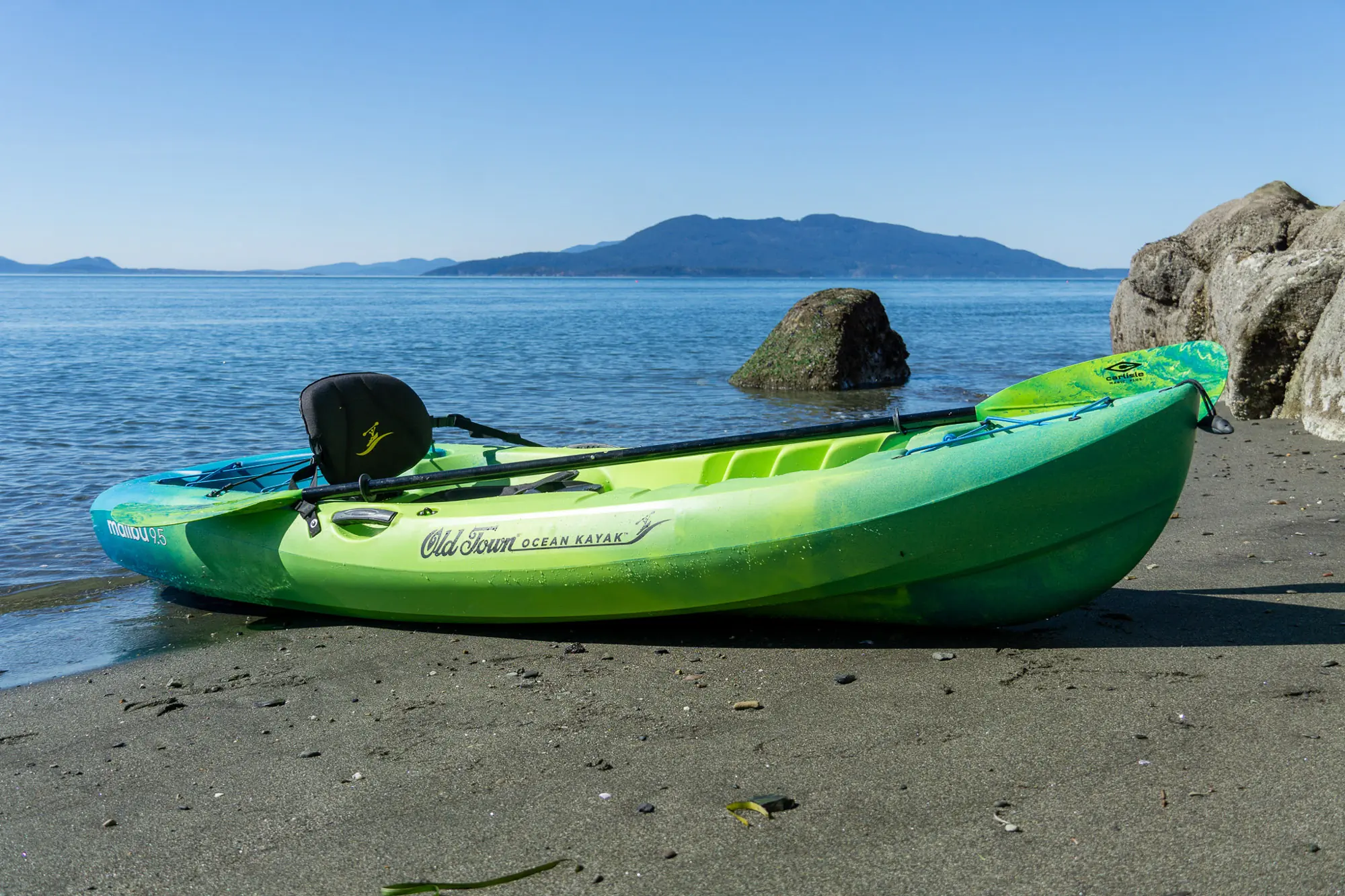
Credit: gearjunkie.com
Frequently Asked Questions
How Do I Know What Kind Of Kayak To Get?
Consider your kayaking location, skill level, and purpose. Choose between sit-on-top, recreational, touring, or whitewater kayaks. Assess storage needs, weight capacity, and material durability. Visit local stores to test different models. Consult experts or online reviews for recommendations.
What Is The 120 Rule For Kayaking?
The 120 rule advises kayakers to ensure the air and water temperatures combined exceed 120°F. This helps prevent hypothermia. Always wear appropriate gear like wetsuits or drysuits when necessary to stay safe.
What Are The Three Golden Rules Of Kayaking?
The three golden rules of kayaking are: wear a life jacket, paddle with a buddy, and know your limits. Always prioritize safety, stay aware of your surroundings, and ensure proper equipment. Practice techniques, understand water conditions, and respect nature while enjoying the adventure.
What Are The Three Types Of Kayaks?
The three main types of kayaks are recreational, touring, and whitewater. Recreational kayaks are for calm waters. Touring kayaks suit long-distance trips. Whitewater kayaks are designed for rapid rivers. Each type caters to different water activities and skill levels. Choose based on your paddling needs.
Conclusion
Choosing the right kayak enhances your water adventure. Think about your needs. Consider your budget, the water type, and storage options. Touring kayaks suit long trips. Fishing kayaks offer stability. Recreational kayaks are great for beginners. Inflatable kayaks are easy to transport.
Each type has its benefits. Your choice depends on your preferences. Try before buying if possible. This helps you decide. Remember, a good kayak fits your lifestyle. Enjoy your kayaking journey. Make memories on the water. Happy paddling!