Imagine gliding across a serene lake, the water rippling gently beneath your kayak. With each paddle stroke, you’re not just moving forward; you’re engaging a range of muscles that boost your strength and endurance.
But do you know exactly which muscles are getting a workout when you’re kayaking? Understanding this can help you maximize your fitness routine and improve your paddling skills. Whether you’re a seasoned kayaker or a curious beginner, discovering the muscles involved can transform your approach to this invigorating sport.
Dive into this article and unlock the secret power within your paddling. You’ll be surprised by how much your body benefits from the simple act of kayaking. Ready to explore the hidden potential in your strokes? Let’s uncover what muscles kayaks work and how they can enhance your physical prowess.
Credit: brooklynkayakcompany.com
Core Muscles
Kayaking isn’t just a thrilling water sport; it’s also a fantastic workout for your core muscles. As you paddle through the water, your core serves as the powerhouse of your movements, ensuring stability and efficiency. The twisting and turning involved in kayaking engage your core intensely, making it a perfect exercise for those looking to strengthen these vital muscles. But which core muscles are you really working out? Let’s dive into the specifics.
Abdominals Activation
Every stroke you make in the water activates your abdominal muscles. These muscles work to stabilize your torso as you propel forward. Feel the burn in your abs as you maintain balance and control over your kayak. Consistent paddling can lead to well-defined abs, which many fitness enthusiasts strive for. Have you noticed a difference in your abdominal strength after a few kayaking sessions?
Oblique Engagement
Your obliques are heavily engaged during kayaking, especially when making quick turns or navigating waves. These muscles help in rotating your torso, providing the necessary power for dynamic movements. Strengthening your obliques not only enhances your kayaking performance but also contributes to better posture and spinal health. Next time you’re out on the water, pay attention to how your sides feel during those sharp turns.
Back Muscles
Kayaking strengthens various back muscles, including the latissimus dorsi, trapezius, and rhomboids. These muscles help in stabilizing and propelling the kayak, providing a robust upper body workout. Regular kayaking enhances endurance and improves posture.
Kayaking isn’t just a serene escape on water; it’s a full-body workout that heavily involves your back muscles. As you paddle, the rhythmic motion engages different parts of your back, helping you build strength and endurance. Each stroke you make is an opportunity to enhance your fitness and improve your posture. But have you ever wondered which specific back muscles benefit the most from kayaking? Let’s dive deeper into the specifics.Latissimus Dorsi Strength
The latissimus dorsi, often referred to as the lats, are the broadest muscles in your back. When you paddle, these muscles work tirelessly to stabilize your torso and propel your kayak forward. Imagine the sensation as your lats contract and expand with every stroke, giving your back a powerful workout. Strengthening your lats through kayaking not only boosts your paddling efficiency but also enhances your ability to lift and pull objects in daily life. Feel the power and support in your back as your lats develop, making you more agile and balanced. How has kayaking transformed your upper body strength?Rhomboids And Trapezius
Your rhomboids and trapezius muscles play a crucial role in maintaining good posture while kayaking. Located between your shoulder blades, the rhomboids work hard to pull your shoulders back, while the trapezius muscles extend from the neck across the shoulders. Together, they contribute to the rowing action that keeps you gliding smoothly on the water. Engaging these muscles through kayaking can alleviate tension and reduce the risk of upper back pain. As you navigate through the water, you may notice improved posture and shoulder mobility, which can be beneficial both on and off the water. Have you experienced a change in your posture since you started kayaking?Shoulder Muscles
Kayaking engages the shoulder muscles, including the deltoids and rotator cuffs. Paddling strengthens these muscles, enhancing stability and endurance.
Kayaking is more than just a relaxing activity on the water; it’s a full-body workout, particularly engaging your shoulder muscles. Every stroke you take involves intricate movements that primarily target these muscles, contributing to both strength and endurance. Understanding how kayaking works your shoulder muscles can help you optimize your paddling technique and prevent injuries.Deltoids Involvement
Your deltoids are crucial for the lifting and pushing motions during kayaking. As you paddle, these muscles work tirelessly to elevate the paddle and drive it through the water. This continuous movement helps build endurance and strength, enhancing your overall paddling performance. Imagine a long day on the water. Each stroke consistently engages your deltoids, gradually improving your muscle tone. This involvement not only boosts your paddling power but also refines your shoulder definition over time.Rotator Cuff Support
Your rotator cuff muscles play a vital role in stabilizing your shoulder joint. During kayaking, these muscles support the shoulder’s rotational movements, protecting it from potential injuries. Strengthening your rotator cuff can significantly impact your paddling efficiency and safety. Think about how often you rotate your shoulders while kayaking. The rotator cuff ensures these movements are smooth and controlled, reducing strain. By focusing on exercises that enhance rotator cuff strength, you can enjoy longer kayaking sessions without discomfort. Have you ever experienced shoulder fatigue after kayaking? It might be a sign to pay more attention to these supporting muscles. Proper conditioning can make your kayaking adventures more enjoyable and less taxing on your body.
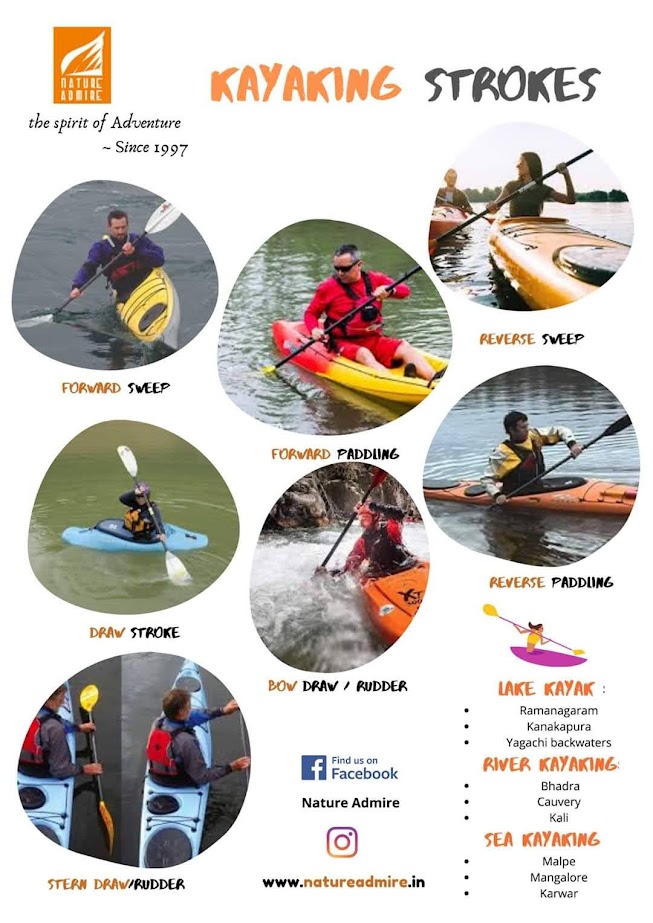
Credit: tomoutdoors.com
Arm Muscles
Kayaking effectively engages arm muscles, providing a solid workout for biceps, triceps, and forearms. Each paddle stroke requires strength and coordination, enhancing endurance and muscle tone.
Kayaking is an exhilarating full-body workout that offers more than just a scenic escape into nature. While it’s easy to get lost in the rhythm of the paddle slicing through the water, you might not realize the effort your arm muscles are putting into every stroke. Understanding the arm muscles involved can not only enhance your performance but also help prevent injuries and improve your technique. Let’s delve into the specific muscles that are hard at work when you’re paddling your kayak.Biceps And Triceps
Your biceps and triceps are essential players in the kayaking game. Each paddle stroke requires the biceps to contract, pulling the paddle through the water. This motion is similar to performing a bicep curl, but with the added resistance of water. On the flip side, the triceps come into action when you push the paddle away from your body. Think of it as an extension movement, helping you propel the kayak forward. Next time you’re out on the water, notice how your arms feel after a few hours. Are you underestimating the power of these muscles?Forearm Flexors
The forearm flexors may not be the star of the show, but they are the unsung heroes when it comes to grip strength. Holding the paddle firmly yet comfortably requires a steady contraction of these muscles. Imagine gripping the paddle in turbulent waters or during a long-distance session. Your forearm flexors work tirelessly to ensure your paddle doesn’t slip, maintaining control and precision with each stroke. How often do you pay attention to your grip strength in daily activities? Perhaps kayaking can be your fun way to boost it. By focusing on these arm muscles, you can make your kayaking experience not only more effective but also more enjoyable. Embrace the challenge, and let your arms guide you through each adventure on the water.Chest Muscles
Kayaking engages the chest muscles, especially the pectorals. Each paddle stroke strengthens these muscles effectively. Regular kayaking offers a balanced workout for the upper body.
Kayaking is not just a fun outdoor activity; it’s a great workout. It engages various muscle groups, including the chest muscles. These muscles play a key role in stabilizing and propelling the kayak efficiently. Strengthening the chest muscles can enhance your kayaking performance and endurance.Pectoral Activation
The pectoral muscles, or pecs, are crucial in kayaking movements. They help in paddling strokes and balance. Every paddle stroke activates these muscles. This makes them vital for generating power and speed. Engaging the pecs involves pushing the paddle against the water. This action builds strength and endurance. It also improves your overall upper body coordination. Proper technique is essential for effective pec activation. Maintain a straight back and engage your core. This helps channel energy to your chest muscles. Regular kayaking can lead to noticeable improvements. Strong pecs enhance your paddling efficiency. They contribute to better posture and reduced fatigue. Focus on smooth and controlled paddle movements. This maximizes pectoral activation. It also minimizes strain and risk of injury. Incorporate chest exercises into your routine. Push-ups and chest presses can be beneficial. They complement kayaking by increasing pec strength. Understanding the role of pecs can transform your kayaking experience. It makes each session more rewarding and effective.Leg And Hip Muscles
Kayaking is not just an upper body workout. It engages your leg and hip muscles significantly. These muscles play a vital role in stabilizing your body. They help maintain balance and provide power during paddling. Understanding their function can enhance your kayaking experience.
Hip Flexor Stability
Your hip flexors are crucial in kayaking. They help in maintaining balance. As you paddle, these muscles stabilize your hips. This stability prevents unnecessary movement. It keeps your paddling efficient and controlled.
Strong hip flexors reduce fatigue. They allow longer kayaking sessions. So, focus on exercises that strengthen these muscles. This will improve your performance on the water.
Quadriceps And Hamstrings
Kayaking works your quadriceps and hamstrings. These muscles are in your thighs. They help in maintaining a steady posture. Quadriceps engage as you push against the kayak seat. They support your forward movement.
Hamstrings play their part too. They help in pulling back your legs. This motion aids in counterbalance. It stabilizes your body during intense paddling.
Exercises targeting these muscles can be beneficial. They will improve your endurance. Strong legs contribute to better control and stability on water.
Improving Endurance
Kayaking isn’t just a leisurely paddle through scenic waters; it’s a full-body workout that enhances your endurance. As you navigate through waves, your muscles are constantly engaged, pushing your stamina to new heights. But how exactly does this activity bolster your endurance?
Building Stamina
The repetitive motion of paddling builds stamina in your arms, shoulders, and back. Each stroke is a test of endurance, demanding consistent effort and strength. Over time, this repetitive action trains your muscles to sustain prolonged activity without fatigue.
Imagine being able to paddle longer distances without tiring. Regular kayaking can make this possible, as your muscles learn to adapt and endure continuous exertion. How far could you go if your stamina was limitless?
Enhancing Muscle Efficiency
Efficient muscles are key to improving endurance. Kayaking teaches your body to maximize energy use, with less wasteful movement. This means your muscles work smarter, not harder, during each stroke.
Through consistent practice, your body learns to optimize muscle use, enhancing the efficiency of every paddling motion. This not only boosts endurance but also reduces fatigue, allowing you to enjoy longer and more fulfilling kayaking sessions.
With improved muscle efficiency, kayaking becomes an exercise in sustainability. You’ll find yourself gliding through water with ease, conserving energy for the journey ahead. What adventures could you embark on with more efficient muscles?
Tips For Maximizing Workout
Kayaking engages core muscles for balance and stability. It strengthens arms, shoulders, and back through paddling motions. Leg muscles assist in controlling the kayak’s direction.
Kayaking is not just a thrilling water adventure; it’s also a fantastic full-body workout. If you’re looking to maximize the physical benefits of this activity, honing in on specific techniques and routines can make a world of difference. Whether you’re paddling for fitness or fun, optimizing your approach can help you engage key muscle groups more effectively.Proper Paddling Technique
Mastering the right paddling technique can significantly enhance your workout. Focus on using your core muscles rather than just your arms. Engage your torso with each stroke, rotating your upper body to generate power. This not only boosts efficiency but also reduces strain on your shoulders. Keep your grip relaxed to prevent fatigue, allowing you to paddle longer and more efficiently.Balanced Training Routine
A well-rounded training routine supports muscle growth and prevents injuries. Consider incorporating strength training exercises off the water to target the same muscle groups you use while kayaking. Include activities like planks and Russian twists to strengthen your core, which is crucial for maintaining stability and power. Regular cardio can also improve your endurance, allowing you to enjoy longer paddling sessions. Mixing these elements into your routine ensures you’re ready for any kayaking adventure, be it a tranquil lake or a challenging river run.
Credit: www.instagram.com
Frequently Asked Questions
Will Kayaking Build Muscle?
Yes, kayaking builds muscle. It engages the arms, shoulders, back, and core. This full-body workout strengthens and tones these muscle groups. Regular kayaking can improve muscle endurance and overall fitness.
Is Kayaking Good For Losing Belly Fat?
Kayaking helps burn calories, engaging core muscles and aiding belly fat loss. It offers a fun, effective workout. Consistent kayaking, combined with a balanced diet, supports weight loss goals. Enjoy nature while toning your abdomen, improving overall fitness. Kayaking promotes cardiovascular health and boosts metabolism.
What Muscles To Train For Kayaking?
Focus on strengthening your core, shoulders, back, and arms for kayaking. Engage in exercises targeting the obliques, lats, deltoids, and biceps. Incorporate leg workouts for balance and endurance. Consistent training enhances paddling efficiency and reduces injury risk, ensuring a successful kayaking experience.
Can Kayaking Be A Good Workout?
Yes, kayaking is an excellent workout. It strengthens the upper body, core, and improves cardiovascular fitness. Paddling increases endurance and burns calories. This low-impact exercise is also great for mental health, offering stress relief and relaxation. Kayaking provides a full-body workout while enjoying nature.
Conclusion
Kayaking works various muscles and offers a fun workout. It strengthens arms, shoulders, and back. Core muscles engage, providing stability and balance. Legs help with movement and control. Regular kayaking improves endurance and flexibility. It’s a full-body activity, ideal for fitness.
Enjoy the water and nature while building strength. Perfect for those seeking an outdoor exercise. Suitable for all ages and skill levels. Experience the benefits and adventure kayaking brings. Paddle your way to a healthier you. Embrace the challenge and enjoy every stroke.
Keep exploring and stay active on your kayaking journey.