Have you ever wondered what makes kayaking such a rewarding and invigorating workout? As you glide across the water, there’s more happening than just paddling.
You’re engaging multiple muscle groups that transform this outdoor adventure into a full-body workout. Whether you’re a seasoned kayaker or just considering giving it a try, understanding the muscles that kayaking works can help you maximize your performance and enjoy the sport even more.
Dive into this article to discover how kayaking can sculpt and strengthen your body while offering an exhilarating escape from the daily grind. Your curiosity about the benefits of kayaking will be satisfied as you learn how each stroke contributes to your fitness journey. Keep reading to unlock the secrets behind the power of your paddle.

Credit: www.youtube.com
Core Muscles
The core muscles play a vital role in kayaking. They provide stability and power during each stroke. Strong core muscles improve balance and endurance on the water. They help maintain posture and prevent injury.
Abdominal Engagement
Kayaking demands constant use of the abdominal muscles. Each paddle stroke engages the rectus abdominis. This is the muscle commonly known as the “six-pack.” It helps transfer power from the upper body to the kayak. Strong abs support efficient paddling. They also reduce fatigue during long sessions.
Oblique Activation
The oblique muscles are crucial in kayaking. These muscles run along the sides of the abdomen. They assist in torso rotation with each paddle stroke. Activating the obliques enhances stroke efficiency. It allows for smoother and more powerful movements. This muscle group supports lateral stability in the kayak. It helps maintain balance in rough waters.
Credit: blog.lakefrontliving.com
Upper Body Strength
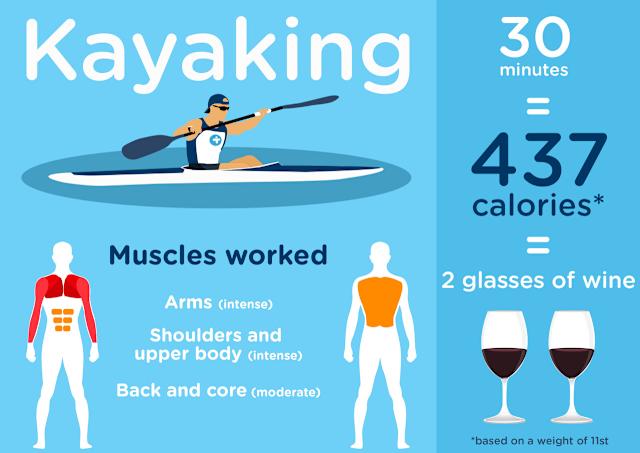
Kayaking is not only an exhilarating outdoor activity but also a fantastic workout for your upper body. As you glide through the water, your muscles are continuously engaged, building strength and endurance. But which muscles are really put to work? Let’s delve into the specifics of upper body strength and how kayaking can enhance it.
Shoulder Stability
Your shoulders play a crucial role in maintaining balance and control while kayaking. Each paddle stroke demands a dynamic range of motion, which strengthens the rotator cuffs and stabilizes the shoulder joints. Imagine the repetitive motion of paddling; it’s like giving your shoulders a workout without hitting the gym. Over time, you’ll notice improved flexibility and reduced risk of shoulder injuries. How has kayaking affected your shoulder strength?
Arm Power
The power behind each stroke comes directly from your arms. As you paddle, your biceps and triceps are continuously contracting and extending, building muscle tone and endurance. Think of each stroke as a mini-arm workout, adding definition and strength. It’s fascinating how a simple activity can transform your arm power, making everyday tasks easier. Ever noticed how kayaking has improved your ability to lift heavier objects or perform daily activities with less effort?
Back Muscles
Kayaking is a great workout for your back muscles. Strong back muscles help maintain balance and improve stroke power. Regular kayaking can enhance your posture and prevent back pain.
Latissimus Dorsi Function
The latissimus dorsi is a large muscle in your back. It helps move your arms during paddling. Each stroke engages this muscle, giving you more strength and endurance. A strong latissimus dorsi can improve your kayaking performance.
Rhomboid Contribution
The rhomboids are muscles between your shoulder blades. They stabilize your shoulders while paddling. This stability is crucial for efficient and controlled strokes. Working your rhomboids can enhance your upper body coordination. Kayaking regularly can strengthen these muscles, improving your overall posture.

Credit: natureadmire.in
Lower Body Involvement
Kayaking is not just an upper body workout. The lower body plays a crucial role too. It stabilizes and supports your movements on the water. Understanding lower body involvement enhances your paddling technique.
Hip Flexor Role
The hip flexors are vital in kayaking. They connect the lower body to the torso. During kayaking, these muscles help maintain balance. They also aid in forward propulsion. Strong hip flexors improve your endurance on the water.
Leg Coordination
Leg coordination is essential in kayaking. It helps with steering and stability. Each leg moves independently, adjusting to the kayak’s motion. This coordination keeps you balanced and in control. Practicing leg movements off the water can improve your kayaking skills.
Endurance And Stamina
Kayaking is more than a fun outdoor activity. It significantly boosts endurance and stamina. Paddling through water demands continuous effort, engaging multiple muscle groups. This consistent activity builds resilience and energy over time. Let’s explore how kayaking enhances endurance and stamina.
Cardiovascular Benefits
Kayaking offers excellent cardiovascular benefits. The heart works harder to pump blood during paddling. This strengthens the heart and improves circulation. A strong heart supports overall endurance. Regular kayaking can lower blood pressure and reduce heart disease risk. It also boosts lung capacity, enhancing oxygen intake.
Muscle Fatigue Management
Managing muscle fatigue is crucial for kayakers. Continuous paddling can tire muscles quickly. Building endurance helps muscles withstand long sessions. Kayaking conditions muscles to recover faster. This reduces fatigue and increases stamina. With practice, the body adapts, improving efficiency and reducing tiredness.
Balance And Coordination
Kayaking is not just a thrilling adventure; it’s a workout that enhances your balance and coordination. Navigating through water challenges your ability to maintain stability while adapting to dynamic environments. As you paddle, your body learns to balance on an unstable surface, improving your overall coordination. This is why kayaking is an excellent exercise for developing both physical and mental agility.
Core Stability
Your core muscles are the powerhouse for maintaining balance during kayaking. Every paddle stroke engages your abdominal muscles, helping you stay upright and centered. As you twist and turn, your obliques work alongside your abs to stabilize your body. This strengthening of the core not only improves your kayaking technique but also benefits your posture in everyday life.
Dynamic Movement Control
Kayaking demands dynamic movement control, requiring your muscles to react swiftly to the changing currents and waves. Your legs, hips, and shoulders work in harmony to adjust your position and direction. This coordination between different muscle groups enhances your ability to perform quick, precise movements. Have you ever felt the exhilaration of seamlessly navigating through a rapid? That’s your dynamic movement control at work, giving you an edge in mastering the waters.
Frequently Asked Questions
Will Kayaking Build Muscle?
Yes, kayaking can build muscle. It strengthens the arms, shoulders, back, and core. Regular kayaking improves endurance and muscle tone. It offers a full-body workout, enhancing cardiovascular health. Engaging in this sport regularly can lead to noticeable muscle development and increased overall fitness.
Can Kayaking Burn Belly Fat?
Yes, kayaking can help burn belly fat. It provides a full-body workout, boosting calorie burn and improving core strength. Consistent kayaking, combined with a balanced diet, aids in fat loss. It’s an enjoyable way to stay active and promote overall fitness.
What Muscles To Train For Kayaking?
Focus on core muscles, shoulders, back, and arms for kayaking. Strengthen abs, obliques, deltoids, lats, and biceps. Incorporate exercises like planks, rows, and pull-ups. Prioritize flexibility and endurance for better performance on the water. Proper muscle training enhances paddling efficiency and reduces injury risk.
Can Kayaking Be A Good Workout?
Yes, kayaking is a great workout. It strengthens your core, arms, and back muscles. It also improves cardiovascular health and enhances endurance. Enjoying nature while paddling adds mental relaxation to the physical benefits.
Conclusion
Kayaking offers a great workout for your entire body. Your arms, shoulders, and back gain strength with each paddle stroke. Core muscles engage to keep balance on the water. Legs also play a role in stabilizing the kayak. It’s a full-body exercise that builds endurance and muscle tone.
Plus, it’s fun and refreshing. Whether you’re in a lake or river, kayaking challenges and strengthens your muscles. It’s more than just a sport. It’s an adventure that keeps you fit and healthy. So, grab a paddle and enjoy the fitness journey kayaking provides.