Are you gearing up for your next kayaking adventure and wondering what size anchor you need? You’re not alone.
Choosing the right anchor size can make or break your day on the water. Imagine this: you’re gliding peacefully along a serene lake, the sun warming your face, when suddenly, a gentle breeze starts to push you off course. Without the right anchor, you might find yourself drifting away from that perfect fishing spot or picturesque picnic area.
But don’t worry—you’re about to discover exactly how to avoid that. Understanding the correct anchor size for your kayak is crucial for stability and safety. By the end of this article, you’ll be equipped with all the knowledge you need to make a confident choice, ensuring your kayak stays right where you want it. Stay with us, and let’s dive into the details that will keep your kayaking experience smooth and stress-free.

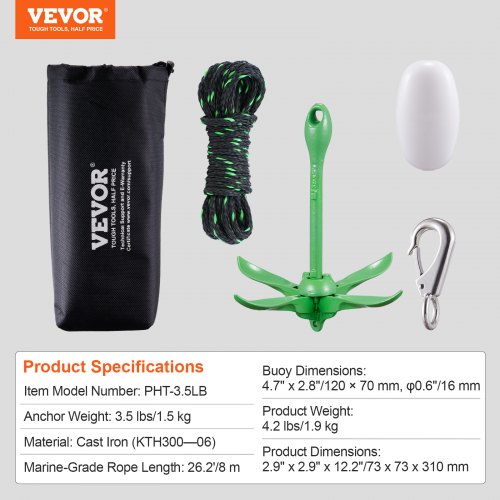
Credit: www.vevor.com
Choosing The Right Anchor Size
Choosing the right anchor size for your kayak is crucial for stability and safety. Consider water conditions and kayak size. A 1. 5 to 3-pound anchor often works well for most kayaks.
Choosing the right anchor size for your kayak is important. It ensures stability and safety on the water. A suitable anchor size helps prevent drifting during fishing or relaxing. Consider the weight of your kayak and the water conditions you expect. An anchor too small may not hold, while one too large is cumbersome. Let’s explore factors to guide you in making the best choice.Understanding Kayak And Water Conditions
Know your kayak’s weight and size. A heavier kayak needs a larger anchor. Calm waters require less holding power than turbulent ones. Consider the type of bottom surface, like sand or rocks.Anchor Types And Their Sizes
Different anchors suit different conditions. A grapnel anchor is compact, good for rocky areas. Mushroom anchors work well in mud or silt. Choose an anchor that matches your usual kayaking spots.Calculating The Anchor Weight
A general rule: 1.5 pounds of anchor per foot of kayak. This gives enough holding power without excess weight. Adjust based on water conditions and kayak load.Portable And Easy To Store
An anchor should be easy to transport and store. Choose one that folds or compacts. This saves space on your kayak, ensuring convenience.Testing The Anchor Effectiveness
Before a long trip, test your anchor. Use it in different conditions to check its hold. This ensures confidence and safety on the water.Factors Influencing Anchor Choice
Choosing the right anchor size for a kayak involves considering factors like water conditions, kayak size, and intended use. Lightweight anchors are ideal for calm waters, while heavier options are better suited for strong currents. Matching the anchor size to your kayak’s needs ensures stability and safety during your adventures.
Choosing the right anchor for your kayak is crucial for a safe and enjoyable paddling experience. The wrong size anchor can lead to endless drifting or unnecessary weight, both of which can take the fun out of your adventure. Several factors play a role in determining the best anchor for your kayak, ensuring stability and ease of use.Kayak Type And Size
The size and type of your kayak directly affect your choice of anchor. A larger kayak requires a heavier anchor to hold it steady, especially if you’re carrying a lot of gear. On the other hand, a small, lightweight kayak may only need a compact anchor to keep it in place. Consider the material and design of your kayak as well. Inflatable kayaks, for example, might be more susceptible to drifting and may need a different anchoring solution compared to rigid ones. Have you noticed how your kayak behaves in different conditions?Water Conditions
The environment you’re paddling in dramatically influences anchor choice. Calm lakes require a different approach than fast-moving rivers or coastal waters. In strong currents or windy conditions, a heavier or more specialized anchor can provide the necessary grip. Reflect on your usual kayaking spots. Is it a serene lake or a windy coastline? Tailor your anchor choice to match these conditions to ensure a hassle-free experience.Bottom Composition
The type of underwater terrain where you plan to anchor is a crucial factor. Sandy or muddy bottoms allow for anchors to dig in easily, while rocky or weedy areas might require anchors designed for better grip. Have you ever tried anchoring on a rocky bottom only to find your kayak drifting away? A grapnel anchor might be your solution in such cases. Understanding the bottom composition helps in selecting an anchor that will hold firm without you having to constantly re-anchor. Choosing the right anchor involves analyzing these factors carefully. It’s about ensuring your kayak stays put while you enjoy the tranquility or excitement of the water around you.Popular Anchor Types For Kayaks
Choosing the right anchor size for a kayak is crucial for stability. Lightweight anchors, around 1. 5 to 3 pounds, are often sufficient. Grapnel and mushroom anchors are popular choices, providing reliable hold in various water conditions.
Kayaking offers a unique way to explore water bodies while connecting with nature. However, to truly enjoy your time on the water, securing your kayak is essential. This is where choosing the right anchor comes into play. Various anchor types cater to different kayaking needs, and understanding their differences can make your experience more enjoyable and safe. Let’s dive into some popular options.Folding Anchors
Folding anchors are a favorite among kayakers for their compact design. They are typically made of metal and can be folded into a smaller size for easy storage. These anchors are ideal for rocky or coral bottoms where their grappling shape can get a good hold. Imagine you’re out on a serene lake, and you want to pause to take in the view or maybe snap a photo. A folding anchor is perfect in such situations because it’s lightweight and easy to deploy. Just ensure you have a rope long enough to reach the bottom!Grapnel Anchors
Grapnel anchors are similar to folding anchors but are often more robust. They feature multiple prongs, which can dig into various types of seabeds. These are excellent for kayakers who venture into different water conditions and need a versatile anchoring option. Have you ever found yourself drifting while trying to fish or relax? A grapnel anchor could be your best friend. Its design allows it to grip onto uneven surfaces like rocks or debris, keeping you steady even when the current tries to pull you away.Mushroom Anchors
Mushroom anchors get their name from their shape and are primarily used in soft seabeds like mud or sand. They provide excellent holding power in such conditions due to their large surface area. Picture a lazy afternoon with your kayak gently bobbing on the water, held in place by a mushroom anchor. They’re simple to use and often come with a weighty design, making them effective in shallow waters where you might be having a picnic or a swim. Choosing the right anchor isn’t just about stopping your kayak from drifting—it’s about enhancing your overall kayaking experience. What anchor type will you choose for your next adventure?Weight Considerations
Choosing the right anchor size for a kayak involves balancing weight and stability. A 1. 5 to 3-pound anchor is often ideal. Consider water conditions and kayak size for effective anchoring.
Choosing the right anchor size for your kayak is crucial, and weight is a key factor to consider. An anchor that’s too heavy can be cumbersome and affect your kayak’s performance, while one that’s too light may not hold your position effectively. Understanding the weight considerations will help you find a balance between stability and portability, ensuring a safe and enjoyable experience on the water.Recommended Weight Range
The weight of your anchor should generally range between 1.5 to 3.5 pounds for most recreational kayaks. This range offers enough heft to keep your kayak stable without being overly burdensome. Your choice within this range will depend on factors like water conditions and the type of bottom surface. In calm waters with a sandy or muddy bottom, a lighter anchor may suffice. However, if you’re kayaking in windy conditions or over rocky bottoms, consider opting for the heavier end of the spectrum.Balancing Stability And Portability
Finding the right balance between stability and portability can make a big difference in your kayaking experience. A heavier anchor provides more stability but can be challenging to carry and deploy, especially if you’re paddling solo. On the other hand, a lighter anchor is easier to manage but may not offer the same level of security. Think about your typical kayaking environment and how often you’ll need to anchor. If you’re often on the move or portaging between different spots, a compact and lightweight anchor is more practical. Conversely, if you’re mostly stationary or fishing in one spot for extended periods, prioritize stability even if it means a bit more weight. What kind of waters do you usually navigate? Would you compromise portability for better hold? These questions can guide you in choosing the perfect anchor weight for your kayak.Anchor Line And Rope Selection
Choosing the right anchor line and rope is crucial for kayaking. The anchor line keeps your kayak steady, even in strong currents. Proper selection ensures safety and ease during your water adventures.
Rope Material Options
The material of your rope impacts its performance and durability. Nylon ropes are popular due to their strength and elasticity. They absorb shock well, which is beneficial in rough waters. Polypropylene ropes are lightweight and float on water. This makes them easy to handle and retrieve. Polyester ropes offer great strength and are resistant to UV rays. They are less elastic than nylon but more durable in sunlight.
Length And Thickness Guidelines
The length of your anchor line is important for effective anchoring. A good rule is to have 7-10 times the depth of water as your rope length. This ensures your anchor can hold securely on the seabed. The thickness of the rope also matters. A thicker rope offers more strength and durability. For most kayaks, a 3/16 inch or 1/4 inch rope is sufficient. This size balances weight, strength, and ease of use.
Expert Tips For Effective Anchoring
Choosing the right anchor size for your kayak ensures stability. A 1. 5 to 3-pound anchor works well in calm waters. Consider a heavier anchor for windy conditions or strong currents.
Anchoring your kayak effectively can make the difference between a peaceful afternoon fishing and a frustrating battle against the current. Knowing the right techniques and avoiding common mistakes is essential for a successful adventure on the water. Let’s dive into some expert tips that will enhance your anchoring skills.Setting The Anchor
Establishing a firm hold is crucial. Start by selecting a suitable anchor size for your kayak, typically around 1.5 to 3 pounds. The lighter the kayak, the smaller the anchor needed. Position your kayak facing into the wind or current. This will help the anchor hold better. Drop the anchor slowly, allowing it to reach the bottom gently. Ensure enough rope length, generally five to seven times the water depth, to create an effective angle for gripping.Avoiding Common Mistakes
One frequent error is choosing an anchor that’s too heavy or too light. A bulky anchor can be cumbersome, while a lightweight one might not hold. Avoid anchoring on a steep slope. The anchor might slide, failing to secure your kayak. Ensure the rope is not tangled or knotted. A smooth release is vital for effective anchoring.Retrieving The Anchor Safely
When it’s time to leave, pulling up the anchor safely is key. Begin by paddling towards the anchor to reduce tension on the rope. Pull the rope in steadily, keeping an eye on obstacles. Avoid sudden jerks which might dislodge the anchor abruptly. Wrap the rope neatly after retrieval. This prevents tangles and ensures readiness for your next outing. By following these tips, you’ll master the art of kayak anchoring and enjoy a more stable and enjoyable experience on the water. Have you ever faced challenges while anchoring? Share your experiences and let’s learn together!Maintenance And Storage
Choosing the right size anchor for your kayak ensures stability and safety during adventures. After use, rinse your anchor to prevent rust and store it in a dry space to maintain its condition. Proper maintenance prolongs anchor life, keeping your kayaking experiences smooth and worry-free.
Maintaining and storing your kayak anchor properly is crucial for its longevity and performance. Neglecting these aspects can lead to unexpected problems during your adventures on the water. A well-maintained anchor ensures a safe and enjoyable kayaking experience, so let’s dive into how you can keep yours in top shape.Cleaning And Inspection
After each use, make it a habit to clean your anchor thoroughly. Rinse off saltwater and debris with fresh water to prevent corrosion. Inspect the anchor for any signs of wear, such as rust or damage. Pay special attention to the anchor line and shackle, ensuring they are intact and functioning well. Performing regular inspections can help you spot issues early, saving you from potential mishaps on the water.Proper Storage Techniques
Storing your anchor correctly is as important as cleaning it. Dry your anchor completely before storage to prevent rust. Choose a dry, cool place to store your anchor, keeping it away from direct sunlight, which can weaken the material over time. Consider using a designated storage bag or container to keep all parts organized and prevent tangling. How often do you revisit your kayak gear’s storage methods? A little attention now can save a lot of trouble later.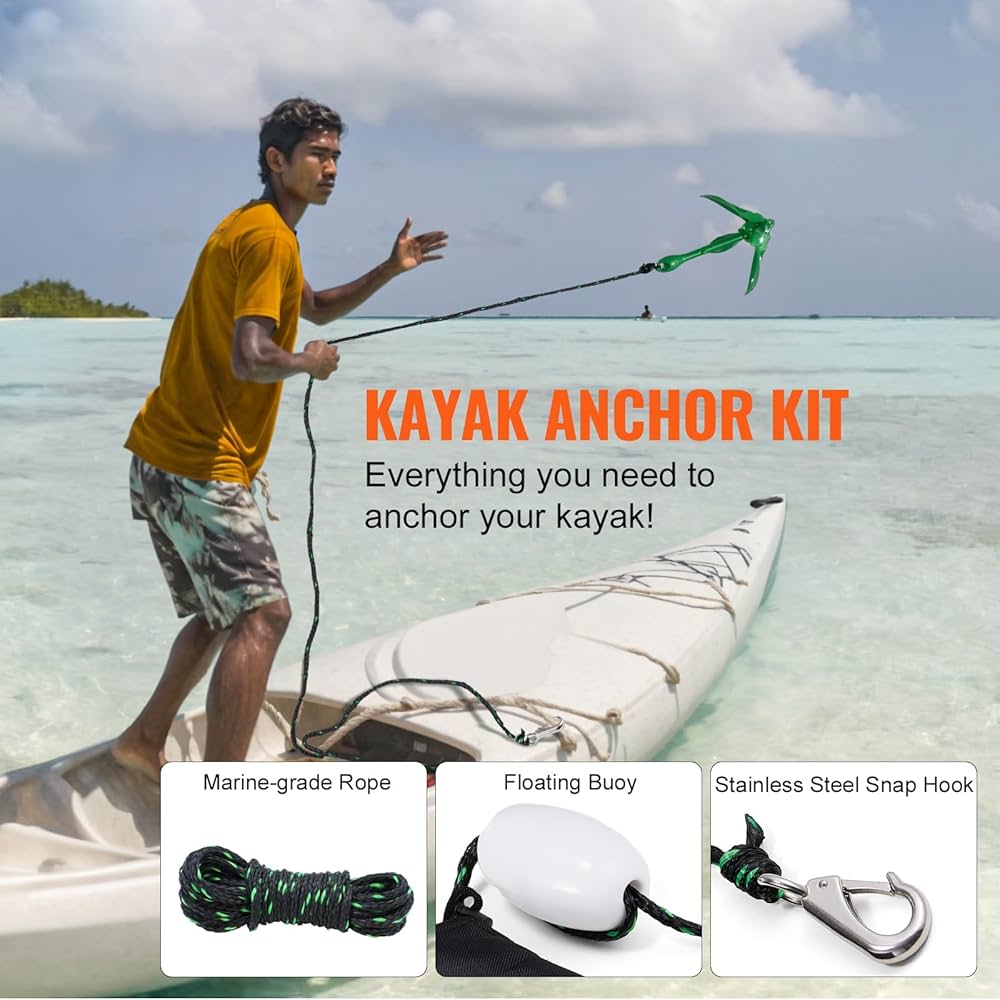
Credit: www.amazon.com

Credit: www.boatfittings.co.uk
Frequently Asked Questions
How Big Of A Kayak Anchor Do I Need?
Choose a kayak anchor weighing 1. 5 to 3 pounds for calm waters. Opt for 5 to 10 pounds in windy conditions or strong currents. Consider anchor type, bottom terrain, and kayak size for optimal stability. Ensure easy retrieval and secure grip for safe kayaking experiences.
Is 1.5 Lb Anchor Enough For Kayak Reddit?
A 1. 5 lb anchor is generally suitable for calm waters and lightweight kayaks. For stronger currents or larger kayaks, a heavier anchor may be necessary. Always consider water conditions and kayak size to ensure stability and safety.
How Do I Tell What Size Anchor I Need?
Determine anchor size by assessing load weight, material type, and environmental conditions. Consult manufacturer guidelines for specifics.
What Anchor To Use For A Kayak?
A folding grapnel anchor, weighing 1. 5 to 3. 5 pounds, works well for kayaks. It provides stability in various water conditions. Choose an anchor with durable material and a reliable locking mechanism. Always pair it with a suitable length of anchor line or rope for effectiveness.
Conclusion
Choosing the right anchor size ensures a stable kayak experience. Consider kayak size, water conditions, and weight. This keeps your kayak secure. A 1. 5 to 3-pound anchor often works well. Always check the anchor’s grip in different waters. Test before your main trip.
Better safe than sorry. Knowing your needs helps in making the best choice. Enjoy peaceful and safe kayaking with the right anchor. Happy paddling!