
Are you ready to dive into the world of kayaking but stuck wondering, “What size kayak should I get?” Choosing the right kayak is crucial, and it can make or break your experience on the water.
You might feel overwhelmed by the options, but don’t worry—you’re not alone. Finding the perfect fit is like unlocking a door to endless adventures. Imagine gliding smoothly across a serene lake or riding the thrilling waves of a rushing river, all because you made the right choice.
In this guide, you’ll discover everything you need to consider when selecting the perfect kayak size just for you. Get ready to unleash your inner adventurer and make the most out of every paddle stroke!
Choosing The Right Kayak Length
Choosing the right kayak length is crucial to your overall paddling experience. The length of your kayak affects its stability, speed, and maneuverability. Whether you’re gliding through calm waters or navigating rapids, the length you choose can make or break your adventure. Let’s break down the different types of kayaks and what length might suit your needs.
Recreational Kayaks
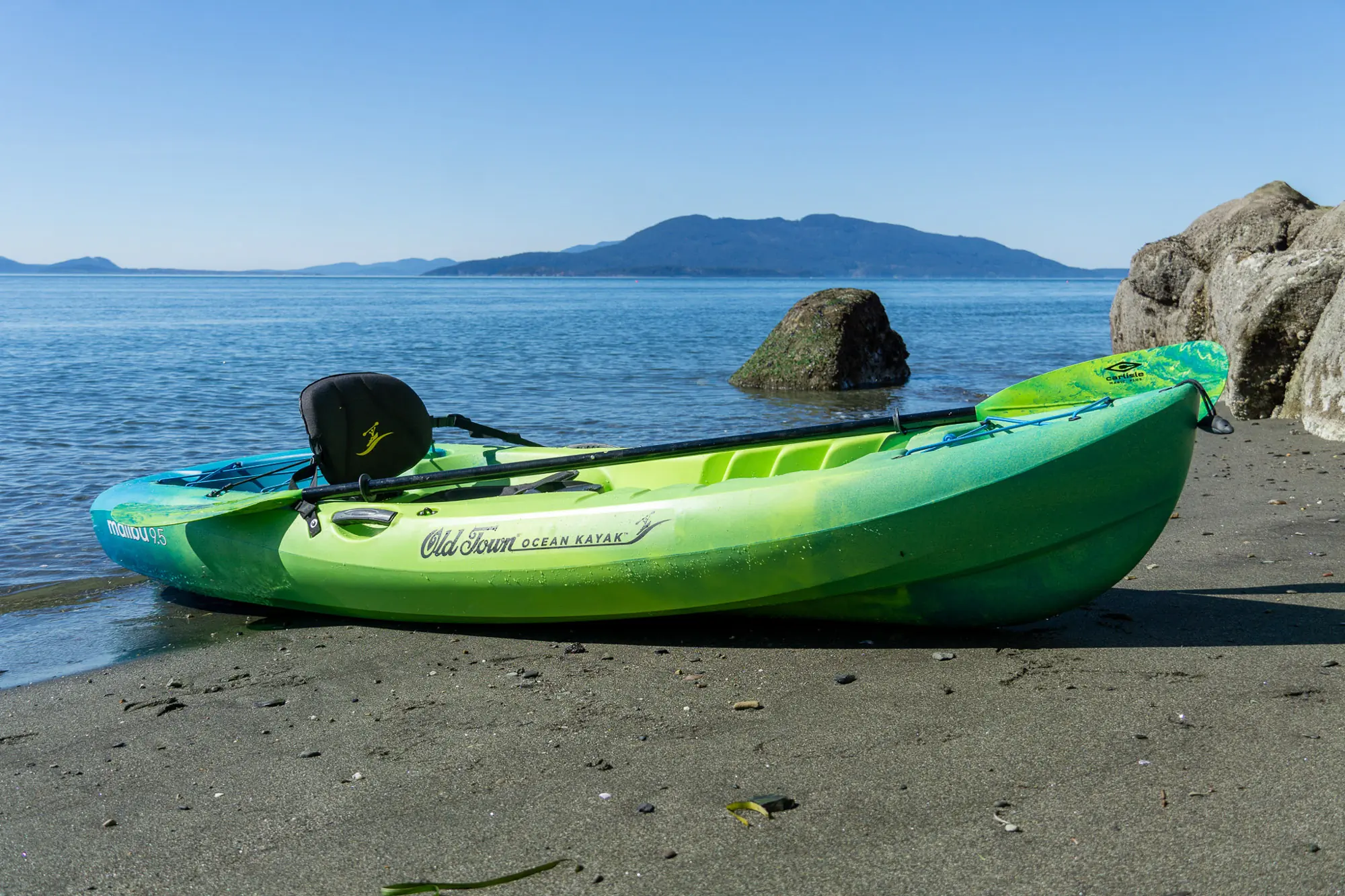
Recreational kayaks are typically between 9 to 12 feet long. They are perfect for beginners or those who enjoy leisurely paddling on lakes and slow-moving rivers. Their shorter length provides great stability and ease of handling.
I remember my first kayaking trip on a recreational kayak. Its compact size made it easy to transport and launch. If you’re a novice paddler looking for something stable and easy to control, this length might be ideal for you.
Touring Kayaks
Touring kayaks generally range from 12 to 17 feet. They are designed for longer trips, offering increased speed and efficiency. Their sleek build allows them to cut through water with ease, making them ideal for open water and coastal paddling.
Imagine planning a weekend getaway across a series of serene lakes. A touring kayak’s length helps maintain a steady course with minimal effort. Consider this option if you’re aiming for distance and speed in your adventures.
Whitewater Kayaks
Whitewater kayaks are often between 6 to 9 feet. This short length allows for quick maneuvers and spins essential for navigating rapids. They are built to withstand the rigors of rough waters and tight river turns.
During a thrilling whitewater trip, the compact size of my kayak allowed me to tackle challenging rapids with confidence. If adrenaline-pumping experiences are what you seek, a shorter whitewater kayak might just be your best bet.
So, which type of kayaking speaks to you? Whether it’s leisurely paddling, long-distance touring, or adventurous whitewater challenges, choosing the right length can enhance your experience. Take the time to consider where and how you’ll be using your kayak, and let the adventures begin!
Credit: gearjunkie.com
Determining Kayak Width
Determining the width of a kayak is crucial for choosing the right one. Width affects stability, speed, and maneuverability. A wider kayak offers more stability but can slow you down. A narrow kayak is faster but less stable. Consider your skill level and kayaking goals.
Stability Considerations
Wider kayaks provide better stability. They are ideal for beginners or those seeking a relaxed ride. Stability is key in choppy waters or while fishing. Wider kayaks prevent tipping and make it easier to balance. They are perfect for leisurely paddling.
Speed And Maneuverability
Narrow kayaks excel in speed. They cut through water efficiently, offering a swift ride. These kayaks are suitable for racing or long-distance trips. With less width, maneuverability increases. A narrow kayak turns easily, enhancing the paddling experience. For adventure seekers, narrow kayaks are a great choice.
Kayak Weight Capacity
Kayak weight capacity is crucial for choosing the right size. Consider your gear and body weight for optimal performance. Ensuring your kayak supports the total weight is key for a safe and enjoyable experience.
Understanding the right kayak weight capacity is crucial for a safe adventure. Weight capacity refers to the maximum load a kayak can handle. This includes the paddler’s weight, gear, and any additional items. Choosing the correct capacity ensures stability and better control on the water. Overloading a kayak can lead to dangerous situations. It’s important to consider both personal weight and gear.Assessing Gear Needs
Consider the gear you plan to carry. A fishing trip might require rods, tackle boxes, and coolers. Touring kayaks might need space for camping gear and supplies. Light packers may manage with a lower capacity kayak. Heavy packers should look for higher capacity options. Make a list of essential items first. Weigh them to get an accurate total. This helps in choosing a kayak that supports all your needs.Safety And Comfort
Safety and comfort depend on proper weight distribution. A kayak overloaded can become unstable. This increases the risk of tipping over. Ensure that the weight is evenly spread across the kayak. This improves balance and ease of paddling. Comfort also plays a big role. A cramped kayak can be uncomfortable for longer trips. Choose a kayak that provides enough room. This ensures a pleasant and safe kayaking experience.Body Size And Kayak Fit
Choosing the right kayak size is crucial for comfort and efficiency. Your body size plays a significant role in finding the perfect kayak fit. A well-fitted kayak enhances your paddling experience. It ensures stability and safety while on the water. Let’s explore key factors like height and weight to determine your ideal kayak size.
Height And Legroom
Your height affects your kayak choice. Taller individuals need more legroom. A kayak with adjustable footrests can accommodate varying heights. Ensure the cockpit offers ample space for your legs. This prevents discomfort during long paddles. Check if you can stretch your legs without feeling cramped.
Weight And Balance
Weight influences kayak stability. Heavier paddlers may require wider kayaks for better balance. A kayak should support your weight without tipping. Look for kayaks with higher weight capacity. This ensures stability in different water conditions. Proper weight distribution enhances paddling efficiency.
Purpose And Environment
Choosing the right kayak size depends on purpose and environment. These factors influence your kayaking experience. Consider where and how you’ll use the kayak. Different environments require different kayak designs. Calm lakes differ from fast-moving rivers. Each purpose calls for specific kayak features.
Calm Water Vs. Rough Water
Kayaks for calm water are stable and easy to maneuver. They are perfect for lakes and slow rivers. Shorter kayaks offer better control in calm water. Longer kayaks work well for rough waters. They provide stability in waves and strong currents. For ocean kayaking, a longer kayak is ideal.
Solo Vs. Tandem Kayaks
Solo kayaks are made for one person. They offer more control and independence. Solo kayaks are lighter and easier to transport. Tandem kayaks are for two people. They are great for shared experiences. Tandem kayaks are heavier but offer more space and stability. Choose based on whether you paddle alone or with someone.
Considerations For Storage And Transport
Choosing the right kayak size involves thinking about storage and transport. Smaller kayaks are easier to store and move, while larger ones may need more space and effort. Consider your vehicle’s size and home storage options before deciding.
Choosing the right kayak involves more than just size. Storage and transport are crucial factors. These considerations affect your kayak experience. You need to think about where you’ll store it and how you’ll transport it. Both aspects can influence your choice significantly.Space Requirements
Where will you keep your kayak? A garage or backyard can work well. Measure the available space carefully. A small kayak fits easily in tight spots. Larger kayaks need more room. Consider vertical storage solutions. Wall racks save floor space and keep kayaks safe. Indoor storage protects from harsh weather. Think about kayak covers if storing outside.Transportation Options
How will you move your kayak? A roof rack on your car is common. It’s ideal for lightweight kayaks. Ensure your vehicle can handle the kayak’s weight. Trailers offer a solution for multiple kayaks. They are great for road trips. Check trailer compatibility with your vehicle. Inflatable kayaks fit in a trunk. They require less setup and are easy to handle. Consider how often you’ll transport your kayak. Regular transport needs easy solutions.Consulting With Experts
Choosing the right kayak size can be tricky, especially if you’re new to the paddling world. Consulting with experts can be a game-changer in your selection process. Their insights can help you avoid common pitfalls and find a kayak that perfectly suits your needs. Let’s explore how professional advice and test paddling can guide you to make an informed decision.
Professional Advice
Imagine sitting down with a seasoned kayaker who knows the ins and outs of various kayak models. Their wealth of experience can provide you with tailored recommendations based on your skill level, body type, and intended use. Are you planning to navigate calm lakes or tackle whitewater rapids? Professionals can help you understand how different kayak sizes affect stability, speed, and maneuverability.
Many kayaking shops offer consultations where experts share their knowledge freely. It’s also beneficial to attend kayaking events or join online forums where you can interact directly with professionals. You might find that a slightly longer kayak enhances your paddling speed or a wider one offers more stability for fishing.
Test Paddling
Before committing to a purchase, try test paddling. It’s like taking a car for a spin before buying. This practical approach allows you to feel how different sizes affect your comfort and performance on the water. Does the kayak glide smoothly or feel cumbersome? Is there enough legroom?
Many kayak retailers offer demo days where you can try out multiple models. These events can be eye-opening and help you make a choice based on firsthand experience. Consider the feedback from your test paddle—was the kayak easy to steer, or did it require more effort than expected?
Ultimately, choosing the right kayak size involves balancing expert advice with your personal preferences. What do you value more—speed or stability? Comfort or storage space? By consulting with experts and test paddling, you can make a choice that ensures enjoyable paddling adventures.
Credit: gearjunkie.com

Credit: www.baysports.com.au
Frequently Asked Questions
Is An 8ft Or 10ft Kayak Better?
Choose an 8ft kayak for easy transport and maneuverability. Pick a 10ft kayak for better stability and speed. Consider your needs, skill level, and water type to decide the best fit for you.
Is An 8 Foot Kayak Good For A 6 Foot Adult?
An 8-foot kayak can work for a 6-foot adult, but it may feel cramped. Consider kayak width for stability. Larger kayaks offer better comfort and performance for taller individuals. Always test the kayak for fit and comfort before purchasing to ensure the best experience.
Is A 13 Foot Kayak Too Big?
A 13-foot kayak suits various activities, offering stability and speed. It’s ideal for both beginners and experienced paddlers. Consider your storage space and transport capabilities. If you need more maneuverability for narrow waters, a shorter kayak may be better. Always match the kayak size to your needs and environment.
What Size Kayak For 5’2″?
A kayak length of 8 to 10 feet suits a person who is 5’2″. Choose a lightweight model for easy handling and transport. Ensure it’s stable and comfortable for your paddling needs. Consider storage space and intended use, such as recreational or touring, for the best fit.
Conclusion
Choosing the right kayak size is crucial for a great experience. Consider your height and weight. Think about the type of water you’ll explore. Calm lakes or rushing rivers? Each requires a different size. Also, remember storage and transport. A smaller kayak is easier to handle.
Larger ones offer more stability. Test different sizes if possible. Feel the balance and comfort. Your perfect kayak awaits. Just ensure it fits your needs and skill level. Enjoy your paddling adventures!