Choosing the right paddle size for your kayak can make all the difference in your paddling experience. Imagine gliding effortlessly across the water, each stroke perfectly aligned with your strength and style.
The secret? It’s all in the paddle size. But how do you know what size is right for you? It’s not just about height or kayak width—there’s more to consider. In this guide, you’ll discover how the right paddle can enhance your performance, improve your comfort, and even protect you from fatigue.
Don’t settle for guesswork; let’s find the perfect paddle fit for you so you can enjoy every moment on the water.

Credit: kayakish.com
Choosing The Right Paddle Length
Choosing the right paddle length is crucial for enjoyable kayaking. The paddle connects you to the water. Its length affects your control and efficiency. An ill-fitted paddle can ruin your adventure. Picking the right size ensures comfort and performance. Let’s explore how to choose the best paddle length.
Factors Affecting Paddle Length
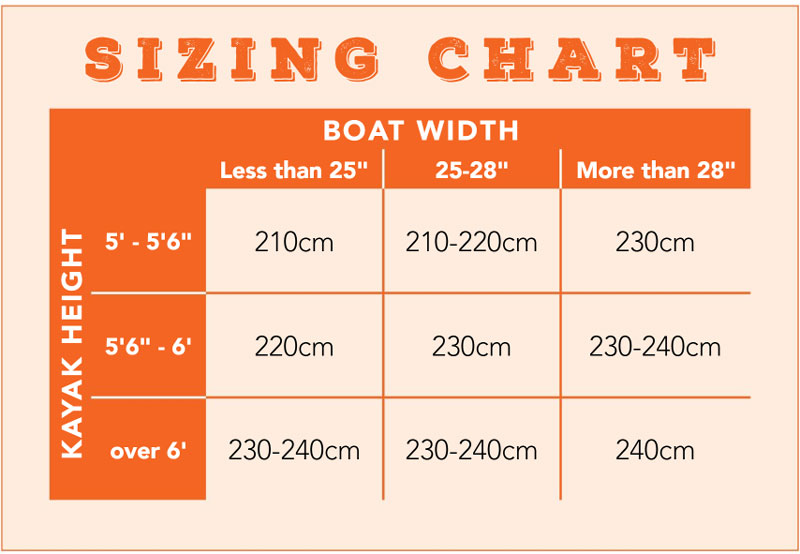
Several factors influence the ideal paddle length. First, consider your height. Taller individuals need longer paddles. Next, think about the width of your kayak. Wider kayaks require longer paddles for efficient strokes. Also, consider your paddling style. High-angle paddlers often prefer shorter paddles. Low-angle paddlers usually opt for longer ones. Your experience level is important too. Beginners might need different paddles than seasoned kayakers.
Importance Of Paddle Length In Performance
The right paddle length boosts your kayaking performance. A proper length improves stroke efficiency. It reduces fatigue during long trips. It also enhances control over the kayak. A well-sized paddle helps in maneuvering easily. It ensures smooth and powerful strokes. Choosing correctly can lead to a better kayaking experience.
Paddle Length Based On Kayak Type
Choosing the right paddle length is crucial for a smooth kayaking experience. Different kayak types require specific paddle lengths for optimal performance. The right paddle length ensures comfort and efficiency on the water. Let’s explore the ideal paddle lengths based on kayak types.
Recreational Kayaks
Recreational kayaks are typically wider and more stable. They are ideal for calm lakes and slow-moving rivers. A longer paddle, usually between 230-240 cm, suits these kayaks. The extra length helps reach across the wider hull. It provides better control and reduces fatigue during paddling.
Touring Kayaks
Touring kayaks are designed for longer trips and open waters. They are narrower and longer, enhancing speed and tracking. A paddle length of 220-230 cm works well with these kayaks. The shorter paddle ensures quick and efficient strokes. It helps maintain speed and reduces wind resistance.
Whitewater Kayaks
Whitewater kayaks are built for agility and maneuverability in rough waters. They are shorter and often have a higher rocker. A paddle length of 192-200 cm is recommended for these kayaks. The shorter paddle offers better control and quick response. It aids in navigating rapids and tight turns effectively.
Paddler’s Height And Paddle Size
Choosing the right paddle size depends on the paddler’s height and kayak width. Taller individuals need longer paddles for effective strokes. A shorter paddle suits smaller paddlers, offering better control and less strain. Picking the correct paddle size enhances paddling efficiency and comfort.
Understanding the connection between your height and the appropriate paddle size is crucial for an enjoyable kayaking experience. A mismatched paddle can lead to discomfort, inefficient strokes, and even strain on your shoulders. This section will guide you through selecting the right paddle size based on your height and arm span, ensuring your paddling is both efficient and comfortable.Height And Arm Span Considerations
Your height and arm span play a significant role in determining the right paddle size. As a general rule, taller paddlers require longer paddles. If you have a longer arm span relative to your height, you might also consider a slightly longer paddle. Conversely, if your arm span is shorter, a slightly shorter paddle might be more comfortable. Imagine you’re on a serene lake, but your arms are getting tired quickly. This could be due to a paddle that’s too long or too short. Finding the right balance will keep you paddling efficiently and comfortably.Sizing Charts And Guidelines
To simplify the decision, many manufacturers provide sizing charts based on height and kayak width. Here’s a general guideline:| Paddler’s Height | Recommended Paddle Length |
|---|---|
| Under 5’0” | 210-220 cm |
| 5’0″ – 5’6″ | 220-230 cm |
| 5’6″ – 6’0″ | 230-240 cm |
| Over 6’0″ | 240-250 cm |
Paddle Blade Shape And Size
Choosing the right kayak paddle is crucial for a smooth ride. Paddle blade shape and size play a significant role. They affect your paddling efficiency and comfort. An appropriate paddle enhances your kayaking experience.
Impact Of Blade Shape On Efficiency
Blade shape influences how water is pushed. Symmetrical blades are balanced and easy to control. They suit beginners and calm waters. Asymmetrical blades are more efficient. They reduce flutter and provide a powerful stroke. Ideal for advanced paddlers and rough waters.
Dihedral blades have a ridge down the middle. This design channels water evenly. It offers a smooth and stable paddling experience. Choose the blade shape based on your skill level and water conditions.
Selecting The Right Blade Size
Blade size affects the force required to paddle. Larger blades catch more water. They offer powerful strokes but require more strength. Best for strong paddlers and swift waters. Smaller blades are easier to handle. They require less energy and suit long-distance paddling.
Consider your paddling style and physical strength. Try different sizes to find your perfect match. Proper blade size enhances your performance and enjoyment on the water.
Material Considerations For Paddles
Choosing the right paddle for your kayak isn’t just about size; the material from which the paddle is made can significantly impact your kayaking experience. Different materials offer varying benefits in terms of weight, durability, cost, and performance. Understanding these factors can help you make a more informed decision.
Weight And Durability Factors
When you’re out on the water, the last thing you want is a paddle that’s too heavy. Lightweight materials like carbon fiber and fiberglass are popular choices among kayakers who value ease of use and long-lasting durability. These materials provide a smooth, efficient stroke, reducing fatigue during long paddling sessions.
On the other hand, while aluminum paddles might be heavier, they offer incredible durability at a lower cost. If you’re a beginner or someone who doesn’t kayak frequently, an aluminum paddle could be a practical choice. Remember, the best paddle is the one that suits your paddling style and needs.
Cost And Performance Balance
Balancing cost and performance is crucial when selecting a paddle material. High-end materials like carbon fiber offer superior performance but come with a hefty price tag. If you’re an experienced kayaker or planning to spend a lot of time on the water, investing in a premium paddle might be worth it for the enhanced comfort and efficiency.
However, if you’re on a budget, consider paddles made from fiberglass or plastic. While they may not offer the same level of performance as carbon fiber, they strike a reasonable balance between cost and functionality. Ask yourself, how much are you willing to invest for comfort and performance in your kayaking adventures?
Adjustable Vs. Fixed-length Paddles
Choosing the right paddle size is crucial for kayaking comfort. Adjustable paddles offer flexibility for different conditions, while fixed-length paddles provide stability and performance. Consider paddle length based on your height and kayak width for an optimal experience.
Choosing between adjustable and fixed-length paddles can significantly impact your kayaking experience. The right paddle not only enhances your efficiency but also ensures comfort during your adventure. Whether you’re a seasoned paddler or a beginner, understanding the benefits and drawbacks of each type will help you make an informed decision.Benefits Of Adjustable Paddles
Adjustable paddles offer flexibility that is hard to beat. You can fine-tune the length to match your height, kayaking style, or water conditions. This adaptability makes them ideal for sharing among family or friends with different needs. Imagine you’re kayaking in varied terrains; an adjustable paddle allows you to switch lengths easily, ensuring optimal performance. Plus, if you’re still figuring out your ideal paddle size, starting with an adjustable option might be your best bet.Pros And Cons Of Fixed-length Paddles
Fixed-length paddles are all about stability. With no moving parts, they tend to be lighter and more robust, perfect for paddlers who prioritize durability. Their simplicity can lead to a smoother paddling experience, especially if you already know your preferred paddle size. However, the lack of flexibility might be a downside for some. If your paddling conditions vary greatly, or if multiple people use the same paddle, a fixed-length option might limit your adaptability. Ask yourself: is consistency or versatility more important in your kayaking journey?Testing Paddle Size For Comfort
Choosing the right paddle size can enhance your kayaking experience. Comfort is key. A paddle that fits well reduces strain and increases control. Testing paddle sizes helps find what suits you best. On-water testing can offer valuable insights. This process ensures that your paddle complements your style and physique.
On-water Testing Techniques
Begin by trying different paddle lengths in calm waters. Adjust your grip and stroke with each size. Observe how the paddle feels and performs. Pay attention to how easily you can maneuver the kayak. Try paddling at various speeds. Test in different water conditions if possible. This simulates real kayaking scenarios.
Evaluating Comfort And Control
Comfort is crucial during long paddling sessions. A paddle that’s too long may cause shoulder strain. A short paddle might not provide enough leverage. Hold the paddle naturally, keeping your wrists relaxed. Evaluate how it feels after a short trip. Ensure your hands do not tire quickly. Notice how well you control the kayak. A well-sized paddle provides better steering and stability.
Credit: paddlenorth.com
Expert Tips For Paddle Selection
Choosing the right paddle for your kayak is a crucial step in enhancing your paddling experience. A well-selected paddle can make your journey smoother, more efficient, and much more enjoyable. But how do you know which paddle size is right for you? Here are some expert tips to guide you in making the best choice.
Common Mistakes To Avoid
Many kayakers often make the mistake of choosing a paddle based solely on its length. While length is important, you also need to consider the width of your kayak and your paddling style. Oversized paddles can lead to unnecessary fatigue, while undersized ones can make paddling inefficient.
Another common error is ignoring the material of the paddle. Lightweight materials like carbon fiber can significantly reduce strain on your arms during long journeys. Don’t overlook the importance of comfort and grip either; a paddle that feels good in your hands can make all the difference.
Advice From Professional Kayakers
Professional kayakers often recommend testing different paddle sizes and styles before settling on one. Attend local kayaking events or clubs where you can try out various options. This firsthand experience is invaluable.
Consider advice from seasoned kayakers who emphasize the balance between paddle size and technique. Some professionals suggest choosing a paddle that complements your unique paddling rhythm and body mechanics. A paddle that feels right for you can enhance your performance and reduce the risk of injury.
Have you ever thought about how much a paddle can impact your kayaking adventure? Selecting the right paddle isn’t just about measurements; it’s about finding a tool that feels like an extension of yourself. Take the time to explore different options and find the perfect fit for your needs.
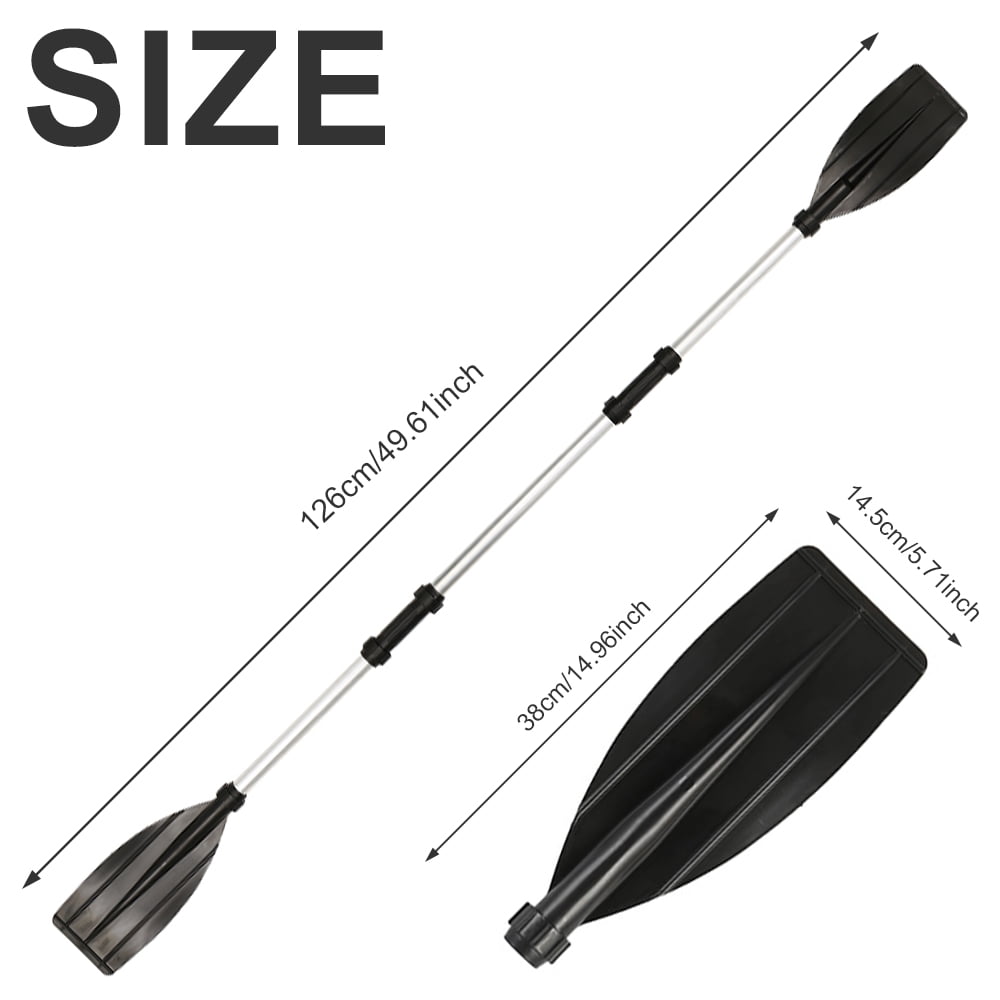
Credit: www.walmart.com
Frequently Asked Questions
What Size Paddles Should I Use With My Kayak?
Choose a paddle based on your height and kayak width. Taller individuals need longer paddles. Wider kayaks require longer paddles too. Typically, paddles range from 210 to 260 cm. Test different lengths for comfort and efficiency. Visit a kayak shop for expert advice and to find the best fit.
What Size Paddle Should I Get For My Height?
Choose a paddle based on your height and paddling style. For flatwater, add 8-10 inches to your height. For surfing, add 6-8 inches. Always consider your comfort and the type of paddling you’ll do.
What Are The Three Golden Rules Of Kayaking?
The three golden rules of kayaking are: maintain safety by wearing a life jacket, use proper technique for paddling, and respect nature while enjoying your adventure.
What Size Kayak Paddle For 5’4″?
For a height of 5’4″, a kayak paddle around 220 cm is ideal. Consider your kayak width and paddling style for adjustments. Test different lengths to find the best fit. Comfort and efficiency in paddling are crucial for an enjoyable kayaking experience.
Conclusion
Choosing the right kayak paddle size is crucial. It affects your comfort and performance. Consider factors like your height and kayak width. A well-chosen paddle enhances your kayaking experience. Test different sizes if possible. This helps find the perfect fit.
Remember, a comfortable paddle means more fun on the water. So, choose wisely and enjoy your kayaking adventures.