
Imagine gliding across serene waters, the gentle sound of your paddle slicing through the surface, and the thrill of discovery awaiting at every bend. Kayaking offers a unique escape into nature, promising adventure and tranquility in equal measure.
But to truly enjoy your time on the water, preparation is key. Have you ever set out on a trip, only to realize you forgot something crucial? It’s a feeling of frustration we’d all rather avoid. That’s why knowing what to bring kayaking is essential to ensure your adventure is smooth and enjoyable.
Stick with us, and you’ll find out exactly what you need to pack for a memorable and hassle-free kayaking experience.

Credit: shop.oceanriver.com
Choosing The Right Kayak
Choosing the Right Kayak Bring essentials like a life jacket, paddle, and water bottle for a safe kayaking experience. Pack sunscreen and a map to navigate easily. Don’t forget a dry bag to keep belongings secure.
Choosing the right kayak can make or break your paddling adventure. Whether you’re gliding across tranquil waters or tackling challenging rapids, your choice of kayak impacts comfort, safety, and enjoyment. Let’s dive into some critical considerations to help you find your perfect match.Sit-in Vs. Sit-on-top
Choosing between a sit-in and a sit-on-top kayak often depends on your intended activities and personal preference. Sit-in kayaks offer more protection from the elements, which is great for cooler climates or longer journeys. However, if you love the idea of taking a quick dip in the water or you’re kayaking in warm weather, a sit-on-top might be more your style. Sit-on-top kayaks are generally more user-friendly, especially for beginners. They are easier to get on and off, making them ideal for those who want to swim or snorkel along the way. Think about what you enjoy most about being on the water—freedom to move or snug protection?Material Considerations
The material of your kayak will affect both its performance and durability. Polyethylene is a common choice due to its affordability and ruggedness, but it can be heavier. Fiberglass kayaks are lighter and offer better performance but come at a higher cost. If you’re planning on exploring rocky shores, a durable material like polyethylene might save you some repair bills. For those looking to cover long distances quickly, investing in a lightweight composite material might be worth considering. What environments do you envision yourself kayaking in most?Weight And Portability
The weight of your kayak is crucial, especially if you’ll be transporting it solo. Lighter kayaks are easier to carry and load onto a vehicle, but they often come with a higher price tag. Inflatable kayaks can be an excellent option for those who lack storage space or drive compact cars. Consider how far you’ll need to carry your kayak to the water. A heavier kayak might be fine if you have help or a short distance to travel. Remember, a kayak that’s easy to handle off the water will get you paddling more often. How often do you plan to go out and how much effort are you willing to invest in transportation?Safety Gear
Kayaking is a thrilling adventure that connects you with nature’s beauty and challenges you to navigate through its waters. But before you set out on this exhilarating journey, equipping yourself with the right safety gear is crucial. Each piece of gear plays a vital role in ensuring your safety and enhancing your kayaking experience.
Life Jacket Or Pfd
Your life jacket or Personal Flotation Device (PFD) is your most essential piece of safety gear. It keeps you afloat in case of unexpected tumbles into the water. Make sure it fits snugly yet comfortably. Consider investing in a high-quality PFD designed specifically for kayaking, offering flexibility and ease of movement. Have you ever tried paddling without feeling restricted by your gear?
Helmet And Head Protection
Kayaking in rough waters or near rocky terrains calls for solid head protection. A helmet can be your best friend in preventing serious injuries. Opt for one with adjustable straps for a perfect fit. It’s not just about protection; it’s about confidence. Have you ever found yourself more daring when you knew your head was well protected?
Whistle And Signaling Devices
A whistle is a simple yet powerful tool in your safety arsenal. It allows you to signal for help or alert others in case of an emergency. Pair it with a bright signaling device or mirror for visual cues. Would you believe that something so small can be your voice in a dire situation? Keep them accessible, not buried at the bottom of your gear bag.
Remember, safety gear isn’t just about ticking off a checklist; it’s about ensuring your peace of mind as you embrace the water’s call.
Paddling Essentials
Kayaking is an exhilarating way to explore water bodies. Whether you’re on a serene lake or a rushing river, having the right gear ensures safety and enjoyment. Paddling essentials are crucial for a successful kayaking trip. These items make your experience smooth and hassle-free. Let’s dive into the key components of paddling essentials.
Selecting The Right Paddle
The paddle is your main tool on the water. Choose a paddle that suits your height and kayak width. Lightweight paddles reduce fatigue. Look for materials like carbon fiber or fiberglass. They are durable and efficient. The blade shape affects your paddling style. Wide blades offer power but need more effort. Narrow blades are easier but slower. Always test the paddle before buying.
Paddle Leash
A paddle leash is a small yet crucial tool. It connects your paddle to your kayak. This prevents losing it in the water. Especially in windy conditions or rough waters. Leashes are usually made of coiled cords. They stretch without tangling. Attach one end to the paddle shaft. The other end goes to a secure point on the kayak. This simple tool saves you a lot of trouble.
Dry Bag For Gear
Waterproof storage is essential for kayaking. A dry bag keeps your belongings safe and dry. Electronics, clothes, and food all stay protected. Choose a dry bag with a secure roll-top closure. Size depends on what you need to carry. A small bag is ideal for short trips. Larger bags are better for camping gear. Make sure it’s easy to attach to your kayak. This ensures it stays with you, even if you capsize.
Credit: sea-quest-kayak.com
Navigation Tools
Navigation tools are essential for kayaking adventures. Carry a map, compass, or GPS device to ensure safety. These tools help in exploring new waters and finding the way back.
Navigating while kayaking is more than just paddling towards a destination. It’s about ensuring you have the right tools to guide you safely. Whether you’re exploring a calm lake or venturing into open waters, having reliable navigation tools can be a game-changer. Let’s dive into what you should bring along on your kayaking adventures.Map And Compass
A map and compass might seem old-school, but they are incredibly reliable. Unlike electronic devices, they don’t rely on batteries or signals. I once got caught in a dense fog while kayaking, and my compass was the only thing that kept me on track. You can use them to chart your course and understand the area’s geography. Always waterproof your map to protect it from splashes and accidental drops in the water.Gps Devices
GPS devices have become a popular choice for modern kayakers. They offer real-time tracking, which can be reassuring when you’re exploring unfamiliar territories. Picture this: you’re surrounded by the stunning beauty of nature, but every turn looks the same. A GPS device will pinpoint your location and guide you back. Some models even provide details on water depth and speed. Make sure your GPS device is waterproof or safely enclosed in a waterproof case.Weather Apps And Updates
Weather conditions can change rapidly on the water, making weather apps invaluable. They provide updates on wind speed, rain forecasts, and temperature changes. Once, an unexpected storm turned my leisurely paddle into a race against darkening skies. Thanks to a weather app alert, I had enough time to seek shelter. Consider apps that offer push notifications for instant updates. This way, you can plan your route with weather conditions in mind and stay safe. Which navigation tool do you rely on the most? It’s always a good idea to have a combination of these tools to ensure you’re prepared for anything nature throws your way.Clothing And Footwear
Comfortable clothing and sturdy footwear are essential for kayaking. Choose quick-dry fabrics to stay comfortable when wet. Secure shoes provide good grip on slippery surfaces.
Kayaking is a thrilling adventure that connects you with nature and challenges your physical limits. However, to fully enjoy the experience, wearing the right clothing and footwear is crucial. The right gear not only keeps you comfortable but also enhances your safety on the water. Below are essential tips on what to wear and how to prepare for your kayaking journey.Weather-appropriate Attire
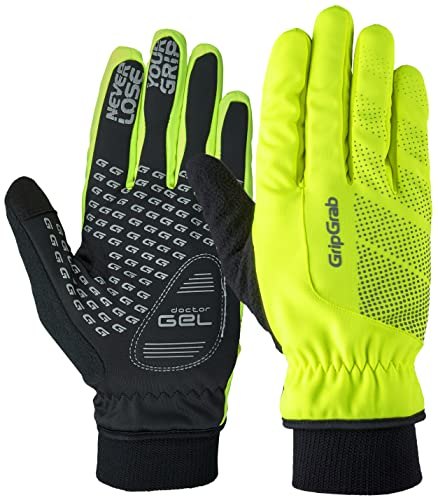
Before hitting the water, check the weather forecast. Your clothing should match the conditions you’ll be facing. On a chilly day, opt for layers—such as thermal shirts and waterproof jackets—to keep warm without restricting movement. During warmer months, quick-drying materials like nylon or polyester are best. These materials wick away sweat and are lightweight, ensuring you stay cool and comfortable throughout your adventure.Footwear With Grip
Footwear is a critical aspect often overlooked by kayakers. Choose shoes that provide grip and stability, especially if you’re launching from rocky or slippery surfaces. Water shoes or sandals with sturdy soles are ideal. They protect your feet from sharp objects and ensure you maintain your balance. Imagine the ease of climbing in and out of your kayak without the fear of slipping—your choice of footwear can make all the difference.Sun Protection Clothing
Kayaking under the sun can be exhilarating, but it also exposes you to harmful UV rays. Invest in clothing that offers sun protection, like long-sleeve rash guards or UPF-rated shirts. A wide-brim hat and polarized sunglasses can further shield you from the sun’s glare. Have you ever finished a kayaking trip with a sunburn? It’s not pleasant. Protect your skin, and you’ll enjoy the day without regrets. By selecting the appropriate clothing and footwear, you enhance your kayaking experience. Are you ready to gear up and make the most of your time on the water?
Credit: andamanseakayak.com
Food And Hydration
Ensuring you have the right food and hydration options is crucial for a successful kayaking adventure. Whether you’re paddling through serene lakes or navigating challenging river currents, staying nourished and hydrated keeps your energy levels up and enhances your experience. Let’s dive into the essentials.
Portable Water Bottles
Investing in a high-quality portable water bottle is a smart move. You can easily attach it to your kayak, ensuring easy access. Look for bottles that offer insulation to keep your drink cool, especially on hot days. If you’ve ever found yourself mid-paddle under a blazing sun, you’ll know the refreshing sip of cold water is a game-changer. Plus, carrying your own water means you’re not relying on unpredictable natural sources.
Energy Snacks And Meals
Pack energy-rich snacks and meals that are easy to consume while on the water. Granola bars, dried fruits, and nuts are excellent choices. They provide quick bursts of energy without taking up much space. Consider meals that require minimal preparation and can be eaten cold, like sandwiches or wraps. Ever tried munching on a crunchy apple while drifting? It’s surprisingly satisfying.
Cooler Bags
Cooler bags are perfect for keeping your food fresh and drinks cold. Choose a waterproof option to prevent any mishaps. A compact cooler can fit snugly in your kayak, offering easy access to your food stash. Imagine paddling towards the horizon knowing you can reach back and grab a chilled snack whenever you need. It’s the little comforts that can make a big difference.
What’s your go-to snack when kayaking? Share your favorites, and let’s swap ideas!
First Aid And Emergency Kits
Essential items for kayaking include a first aid and emergency kit. These kits can help address minor injuries and unexpected situations on water. Always have band-aids, antiseptic wipes, and a whistle handy for safety.
Embarking on a kayaking adventure is exhilarating. Yet, it’s crucial to be prepared for unexpected situations that may arise. Having a well-stocked first aid and emergency kit can mean the difference between a minor hiccup and a major crisis. You never know when you might need it, so packing the right essentials is key. Let’s dive into what you need to ensure your kayaking trip stays safe and fun.Basic First Aid Supplies
Packing a basic first aid kit is non-negotiable. Make sure it includes essentials like band-aids, antiseptic wipes, and gauze pads for minor injuries. Consider adding pain relief medication and anti-inflammatory drugs to your kit. They can be lifesavers if someone sprains an ankle or suffers from a headache. Don’t forget waterproof adhesive tape. It’s perfect for securing bandages in wet conditions and can even be used for minor repairs.Repair Kit For Kayak
Have you ever had your kayak spring a leak mid-trip? A repair kit is essential for these scenarios. Equip yourself with waterproof adhesive patches and a small tube of waterproof sealant. Include a multi-tool. It’s versatile and can assist with quick fixes, from tightening screws to adjusting fittings. Think about packing a spare paddle strap. If yours breaks, you’ll be grateful for the foresight.Emergency Contact Information
In an emergency, every second counts. Write down the emergency contact numbers for local services and keep them in a waterproof pouch. Make sure your information is visible and accessible to others. You might be incapacitated, and someone else may need to make the call. Consider adding a small laminated card with your personal details. Include your name, allergies, and emergency contact person. This can be vital for healthcare providers if you’re unable to speak for yourself. Would you feel confident handling an emergency while kayaking? Packing these essentials isn’t just about safety; it’s about peace of mind.Additional Accessories
Kayaking is an adventure that promises breathtaking views and thrilling experiences. Bringing the right accessories can elevate the experience. These items enhance the journey, making each trip memorable.
Camera For Capturing Moments
A camera is essential for preserving memories on the water. Choose one that’s waterproof and durable. It should withstand splashes and sudden drops. Capture the beauty of nature and cherish moments forever.
Fishing Gear (if Applicable)
If fishing interests you, pack some basic gear. A compact rod and tackle box are great choices. Ensure they fit comfortably without cluttering the kayak. Fishing adds a relaxing dimension to your adventure.
Binoculars For Sightseeing
Binoculars help you explore distant sights. See birds, wildlife, and landscapes in detail. Choose lightweight, waterproof models for ease of use. They make the journey more immersive and exciting.
Frequently Asked Questions
What Is The 120 Rule For Kayaking?
The 120 rule for kayaking advises combining air and water temperatures. If their total is below 120°F, wear protective gear like a wetsuit or drysuit to prevent hypothermia. This rule helps ensure safety while kayaking in colder conditions, keeping paddlers warm and protected.
What Are The Three Golden Rules Of Kayaking?
The three golden rules of kayaking are: maintain control, always wear a life jacket, and stay aware of your surroundings. These rules ensure safety, enhance enjoyment, and improve skills while kayaking. Follow them to have a safe and fun paddling experience.
What Is The 50-90 Rule In Sea Kayaking?
The 50-90 rule in sea kayaking advises paddlers to use 50% of their effort for 90% of the journey. Save energy for the final 10% of the trip, which often requires extra effort due to changing conditions. This strategy ensures safety and conserves energy throughout the adventure.
Do You Need Anything To Go Kayaking?
To go kayaking, you need a kayak, paddle, life jacket, and suitable clothing. Always check weather conditions before starting. Optional items include a dry bag, whistle, and sunscreen. Ensure your equipment is in good condition for a safe kayaking experience.
Conclusion
Kayaking offers fun and adventure. Packing smart makes it even better. Essentials like life jackets, paddles, and a dry bag are vital. Don’t forget sunscreen and water. Dress appropriately for weather and water conditions. A snack can keep energy up.
Safety tools like a whistle and first-aid kit should be included. Proper planning ensures a smooth trip. Enjoy the water with peace of mind. Preparation means more fun and less worry. Ready your gear, hit the water, and create unforgettable memories.
Embrace each moment. Paddle on and explore the beauty around you.