Are you planning your next great adventure on the water? Choosing the right kayak can make all the difference in your experience, whether you’re paddling down a serene river, exploring coastal waters, or tackling thrilling rapids.
But with so many options out there, how do you know which kayak is the perfect fit for you? In this guide, we’re diving straight into what you need to look for when buying a kayak. From stability and comfort to materials and storage, we’ll break down everything you need to know.
Keep reading to discover the kayak that suits your style and ensures every trip is unforgettable. Get ready to unlock the secrets to a perfect paddling experience!
Types Of Kayaks
Choosing the right kayak involves considering various types like sit-on-top, inflatable, and touring kayaks. Each type offers unique features for different water activities and skill levels. Look for stability, comfort, and durability to ensure a pleasant kayaking experience.
Choosing the right kayak can make or break your paddling adventure. With so many types available, each designed for a specific purpose, it’s crucial to understand what makes them unique. Whether you’re exploring calm lakes, battling fierce rapids, or casting a line for your catch of the day, knowing the type of kayak you need is your first step towards unforgettable experiences on the water.Recreational Kayaks
Recreational kayaks are perfect for beginners and casual paddlers. They’re designed for stability and ease of use in calm waters. These kayaks are often wider and shorter, making them easy to maneuver. When I first started kayaking, a recreational kayak was my go-to choice. It gave me the confidence to explore without worrying about tipping over. Are you looking for something simple and fun for a day out on the lake? Consider a recreational kayak.Touring Kayaks
Touring kayaks are built for long-distance paddling and performance. They are typically longer and more streamlined, allowing for better speed and tracking in open water. If you’re planning a multi-day journey or exploring coastal areas, touring kayaks are your best bet. I remember paddling along the coastline with a touring kayak, feeling the thrill of cutting through waves with ease. Could a touring kayak be your ticket to adventure?Whitewater Kayaks
For those who crave adrenaline, whitewater kayaks are designed to tackle fast-moving rivers and rapids. These kayaks are shorter and have rounded hulls for quick maneuvering. My first experience with a whitewater kayak was exhilarating, navigating through swirling rapids and challenging obstacles. Do you have what it takes to conquer the wild waters?Fishing Kayaks
Fishing kayaks come equipped with features tailored for anglers. They often have rod holders, gear storage, and a stable platform for casting. If fishing is your passion, a fishing kayak can be your floating base for a successful catch. Picture yourself quietly drifting along, rod in hand, waiting for the fish to bite. Are you ready to reel in your next big catch?Inflatable Kayaks
Inflatable kayaks offer convenience and portability. They’re easy to transport and store, perfect for those with limited space. Despite their lightweight design, they are surprisingly durable and stable. On one of my trips, I used an inflatable kayak to explore remote waterways, impressed by its practicality and performance. Is an inflatable kayak the solution for your on-the-go lifestyle? Each type of kayak serves a unique purpose, catering to different paddling preferences and environments. Consider your needs and aspirations as you decide which kayak is the right fit for you. Happy paddling!
Credit: www.reddit.com
Material Considerations
Choosing the right kayak involves understanding its material. The material affects performance, durability, and cost. Let’s explore key considerations for kayak materials.
Plastic Vs Composite
Plastic kayaks are popular for their affordability. They are made from polyethylene. This material offers flexibility and impact resistance. Composite kayaks, made from fiberglass or carbon fiber, are lighter. They provide better performance on the water. Composite kayaks excel in speed and efficiency. Plastic kayaks are heavier but more budget-friendly.
Durability And Weight
Durability is crucial for long-lasting use. Plastic kayaks withstand rough conditions well. They are less prone to dents and scratches. Composite kayaks are lighter but can be fragile. They need careful handling to avoid damage. Weight impacts transport and storage. Lighter kayaks are easier to carry.
Cost Implications
Cost varies significantly between materials. Plastic kayaks are generally cheaper. They are great for beginners or casual users. Composite kayaks are more expensive. They are ideal for serious paddlers seeking performance. Consider your budget when choosing a material. Weigh the benefits against the price.
Kayak Size And Dimensions
Choosing the right kayak size and dimensions is crucial for a smooth ride. It affects stability, speed, and comfort on the water. Understanding the key factors ensures a better kayaking experience. Let’s explore the important aspects.
Length And Width
The kayak’s length affects its speed and tracking. Longer kayaks move faster and track better. They are ideal for longer trips. Shorter kayaks are more maneuverable. They work best in tight spaces and calm waters. Width impacts stability. Wider kayaks offer more stability, perfect for beginners. Narrower kayaks are faster and more suitable for experienced paddlers.
Cockpit Size
The cockpit size determines entry and exit ease. Larger cockpits provide more space, offering comfort and flexibility. They are easier for beginners to enter and exit. Smaller cockpits offer better control and protection. They suit those who prefer a snug fit.
Capacity And Weight Limits
Every kayak has a weight limit. This includes the paddler and gear. Exceeding this limit can affect performance. Ensure your kayak can handle your weight and equipment. Consider the capacity for gear storage. Longer trips may require more storage space.
Features And Accessories
Features and Accessories Consider the kayak’s storage space for gear and personal items. Check for comfortable seating and footrests. Look for add-ons like fishing rod holders or GPS mounts for enhanced functionality.
When you’re on the hunt for the perfect kayak, it’s not just about the shape or color. The features and accessories can greatly enhance your paddling experience. Understanding what to look for can make your time on the water more enjoyable and efficient. Let’s dive into some key aspects you shouldn’t overlook.Storage Options
Whether you’re planning a short trip or a multi-day adventure, storage is crucial. Look for kayaks with built-in compartments, which help keep your gear dry and secure. Some even have bungee cords on top for easy access to frequently used items. Consider your needs. Are you a minimalist or do you like to bring a lot of gear? Think about how much space you’ll require for essentials like food, safety equipment, and personal items. A friend of mine once lost her lunch to the waves because she underestimated the importance of secure storage.Comfort Elements
Comfort can make or break your kayaking experience. Adjustable seats and padded backrests provide much-needed support during long paddles. Some kayaks even offer footrests that you can adjust to fit your leg length. Pay attention to the materials used. Breathable, quick-dry fabrics in the seating area can prevent discomfort. If you’ve ever felt cramped in a kayak, you know how important the right fit is.Stability Enhancements
Stability is key, especially if you’re new to kayaking or plan to fish from your kayak. Wider kayaks often offer more stability, reducing the risk of tipping over. Some models come with a flat hull design, enhancing steadiness on the water. Think about where you’ll be kayaking. Calm lakes require different stability features compared to rougher ocean waters. A friend once shared how a stable kayak allowed him to confidently explore choppy waters, turning what could have been a nerve-wracking trip into an exhilarating adventure.Performance Factors
Choosing a kayak involves considering its performance factors. Stability is crucial for beginners. Speed matters for racing or touring. Maneuverability is essential for navigating tight spaces. Comfort ensures longer trips are enjoyable. Always match these factors with your intended use and experience level.
Choosing the perfect kayak isn’t just about looks or color. The real deal lies in its performance on the water. Understanding the performance factors can make your kayaking experience more enjoyable and efficient. Let’s dive into some key aspects that determine how your kayak will perform.Speed And Maneuverability
Speed is crucial if you’re looking to cover more distance in less time. A longer and narrower kayak tends to be faster and cuts through water with ease. However, what about those tight turns and narrow passages? That’s where maneuverability comes into play. A shorter kayak with a more rounded hull can make sharp turns effortlessly. Think about the type of water you’ll be exploring. Are you racing against the clock, or enjoying a leisurely paddle through winding rivers?Tracking And Control
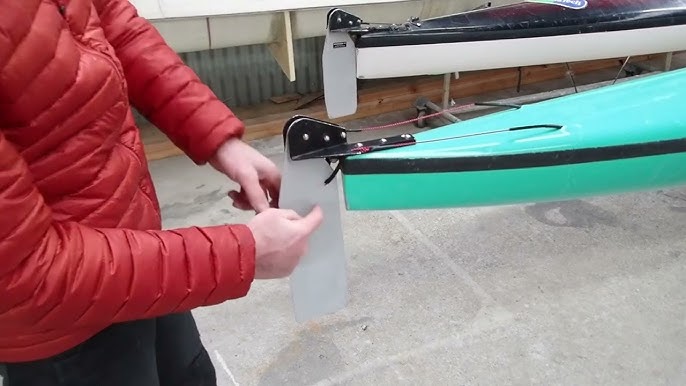
Tracking refers to how straight your kayak moves with each paddle stroke. A kayak with good tracking maintains a straight course without excessive effort, which is essential for long-distance paddling. Control is about how easily you can steer your kayak. Features like a skeg or rudder can enhance control, especially in windy conditions or strong currents. Have you ever battled with your kayak to keep it on course? The right tracking and control features can relieve that struggle.Ease Of Transport
Transporting your kayak should be as hassle-free as possible. Consider the weight and size of your kayak—can you easily lift and secure it on your vehicle? Inflatable kayaks offer a convenient alternative for those with limited storage space. They pack down small and can be carried in a backpack. Is your kayaking adventure cut short because of transport issues? Look for a kayak that’s easy to carry and fits your lifestyle, ensuring nothing holds you back from the water. In the end, understanding these performance factors will help you make an informed decision. Whether it’s speed, maneuverability, tracking, or transport, each element plays a vital role in your kayaking journey. What performance factor matters most to you?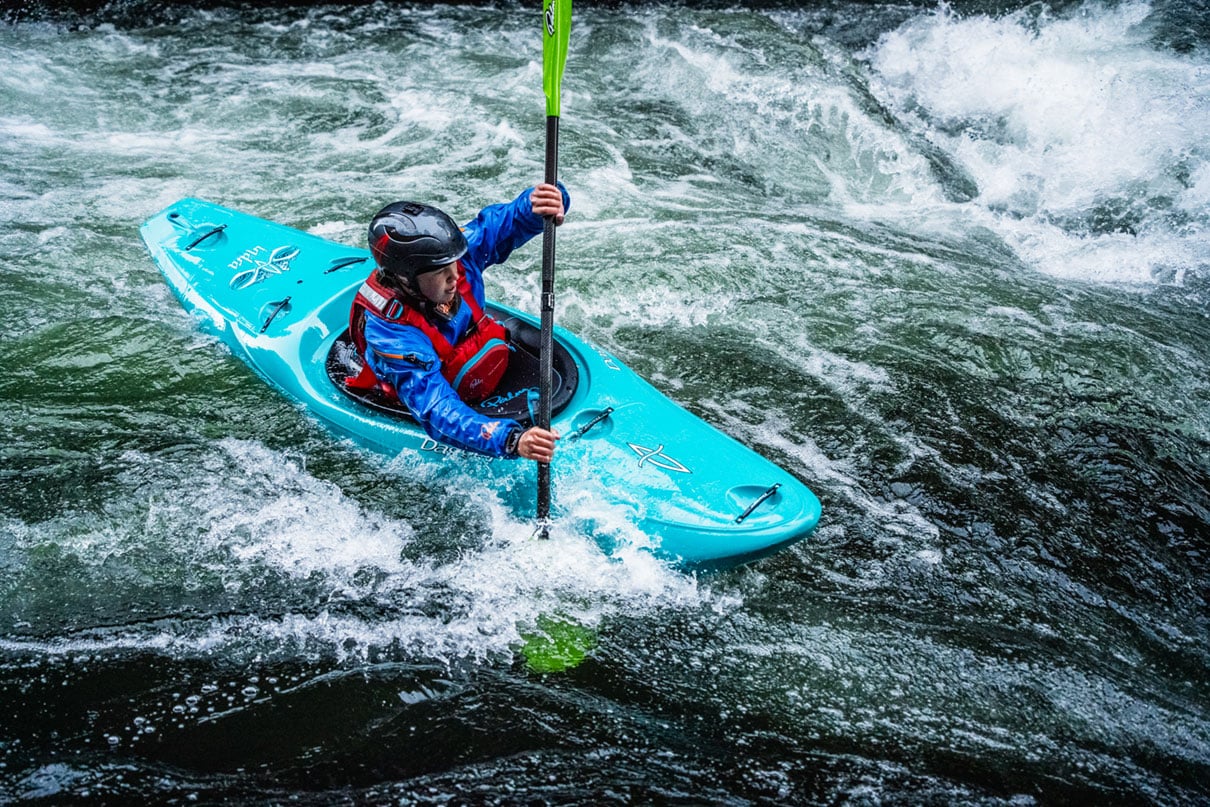
Credit: paddlingmag.com
Safety Features
When you’re planning an adventure on the water, safety should be your top priority. Picking a kayak with the right safety features can make all the difference in your experience. Whether you’re a seasoned paddler or a beginner, understanding what makes a kayak safe can help you enjoy your time on the water without any worries.
Buoyancy And Flotation
Buoyancy is not just about staying afloat; it’s about stability and peace of mind. Look for kayaks with built-in flotation devices or compartments. These features help prevent the kayak from sinking, even if it’s filled with water. A friend of mine once faced a sudden storm while kayaking, but thanks to the buoyancy features, he managed to stay afloat until help arrived. Consider kayaks with additional foam blocks or sealed chambers for enhanced safety.
Safety Gear Compatibility
Your kayak should be ready to accommodate essential safety gear. Check for options to attach life jackets, helmets, or throw bags easily. Do you have a whistle or a waterproof flashlight? Ensure there’s a convenient spot to store them. Quick access to safety gear can be a lifesaver. When I kayak, I make sure my safety gear is always within arm’s reach. It’s comforting to know you’re prepared for the unexpected.
Visibility Enhancements
Visibility on the water is crucial, especially in crowded or low-light conditions. Bright colors on kayaks can make you more noticeable to other paddlers and boats. Reflective strips or flags can further enhance visibility. Have you ever paddled at dawn or dusk? It’s a magical experience but being visible is essential. Choose a kayak with visibility features to ensure you’re seen and safe.
Budget And Value
Finding the perfect kayak within your budget can be a thrilling yet challenging quest. You want to ensure you’re not just spending wisely but also getting the best value for your money. It’s essential to balance the cost with features, consider long-term benefits, and evaluate the warranty and support offered.
Cost Vs Features
Price isn’t everything when selecting a kayak. Sometimes, spending a little more can provide significantly better features. Think about what you genuinely need versus what’s nice to have. Would you benefit from extra storage space or advanced stability? A basic kayak may be cheaper, but will it meet your needs on the water?
Long-term Investment
Consider your kayak as a long-term investment. Paying slightly more upfront might save you money down the line. A durable kayak will withstand the test of time, reducing replacement costs. Reflect on how often you plan to use it; frequent users might find value in a higher-end model.
Warranty And Support
Don’t overlook the importance of warranty and support. A solid warranty offers peace of mind and can save you from unexpected repair costs. Reliable customer support ensures help is available if something goes wrong. Does the manufacturer provide easy access to assistance and replacement parts?

Credit: www.outdoorgearlab.com
Testing Before Purchase
Testing a kayak before purchase is crucial. It ensures the kayak meets your needs. Experience the kayak’s stability and maneuverability firsthand. This helps in making an informed decision. Focus on comfort and suitability for your kayaking adventures.
Demo Days And Trials
Many stores offer demo days. These events let you try different kayaks on water. Observe how each kayak handles. Pay attention to ease of paddling. It’s a great way to test various models in real conditions. Ensure the kayak feels right for your skill level.
Feedback From Experts
Expert opinions matter. Consult with experienced kayakers or store staff. They provide insights on kayak performance. They can suggest models based on your needs. Their feedback helps you avoid common mistakes. Learn from their experiences for a better choice.
Personal Comfort And Fit
Comfort is key in a kayak. Check the seat and footrests. Sit in the kayak for a few minutes. Ensure everything adjusts to your body size. Comfort impacts your kayaking experience. A well-fitted kayak enhances your adventure on water.
Frequently Asked Questions
What To Look For When Buying A Kayak?
Consider kayak type, material, weight capacity, and storage space. Check comfort features like seat and footrests. Ensure stability and maneuverability match your needs. Evaluate accessories and price for best value. Always test before buying for a perfect fit.
What Are The Three Golden Rules Of Kayaking?
Wear a life jacket, know your limits, and respect the water conditions. These rules ensure safe kayaking experiences.
What Is The 120 Rule For Kayaking?
The 120 rule for kayaking suggests combining air and water temperatures. If their sum is below 120°F, wear protective gear like wetsuits or drysuits to prevent hypothermia. Always prioritize safety by checking weather conditions and wearing appropriate clothing. This rule ensures a safer kayaking experience in colder environments.
What Should I Look For When Buying A Used Kayak?
Check the hull for cracks or dents. Inspect the seat and footrests for comfort and adjustability. Examine the storage compartments for leaks. Ensure all accessories like paddles and life jackets are included. Test stability and handling in water if possible.
Conclusion
Choosing the right kayak makes all the difference in your adventure. Focus on comfort, stability, and materials. Consider your skill level and water type. Remember, size and weight impact portability. Test different models before deciding. Ask friends for their recommendations.
Research online reviews for honest opinions. Investing time in these steps ensures a great kayaking experience. Safety should always be your top priority. Equip yourself with the right gear and training. Enjoy the serene waters and the joys of kayaking.
This careful selection process will enrich your future kayaking journeys. Happy paddling!