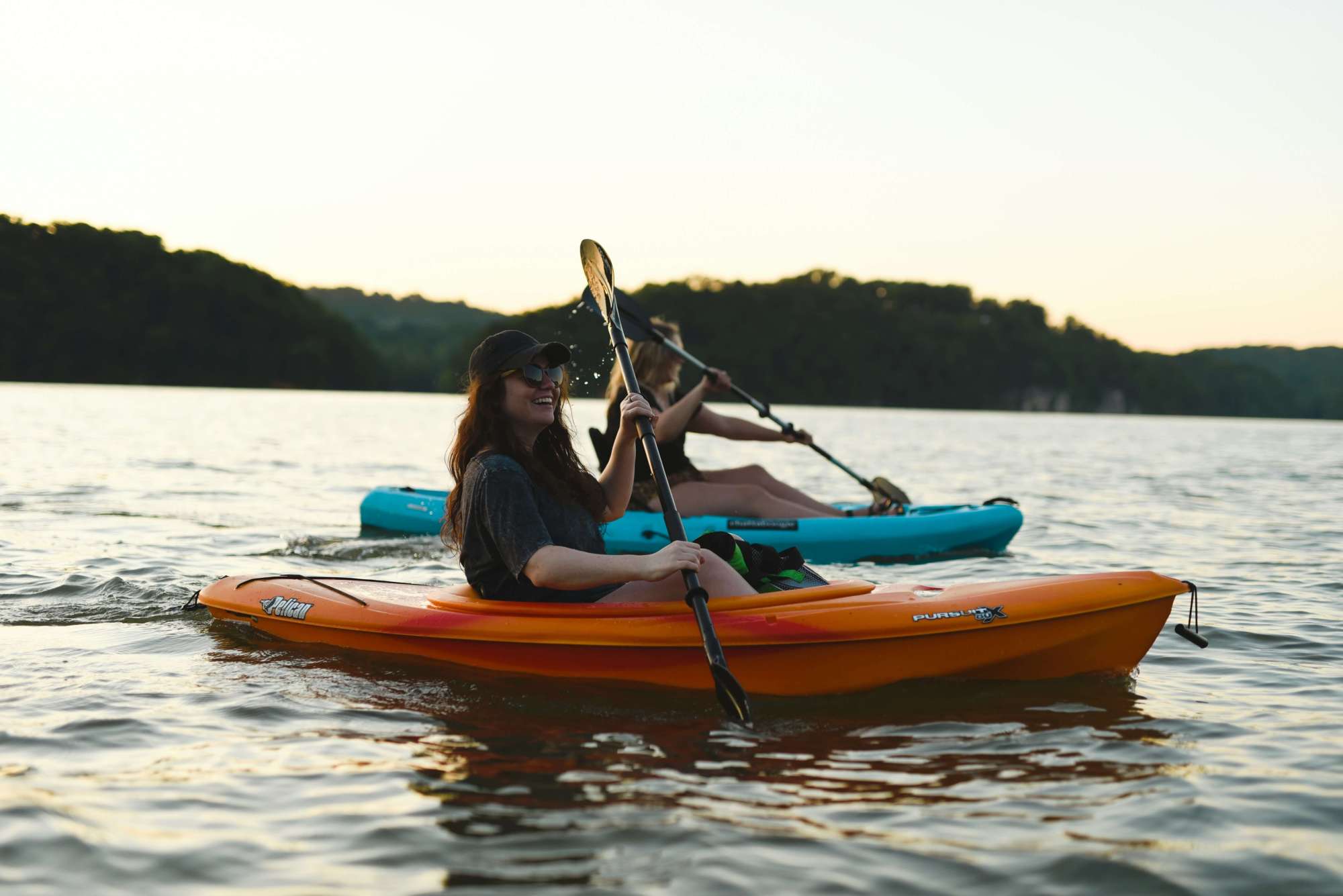
Imagine gliding effortlessly across a serene lake, the water shimmering under the sun as you paddle along. Kayaking offers a unique blend of adventure and tranquility, allowing you to connect with nature in ways few activities can.
But before you set off on your paddling adventure, there’s one important question you need to answer: What should you take kayaking? Packing the right gear can make the difference between an unforgettable experience and a frustrating day on the water.
You don’t want to be caught unprepared, missing that crucial item that could enhance your journey. Dive into our guide to discover the essential items you need for a safe and enjoyable kayaking trip. Whether you’re a seasoned paddler or a first-timer, you’ll find insights that could transform your outing from ordinary to extraordinary. Ready to ensure your next kayaking trip is nothing short of amazing? Let’s get started!
Credit: www.nps.gov
Clothing Essentials
Kayaking is an exciting outdoor activity that requires the right clothing. Proper attire ensures safety, comfort, and enjoyment during your adventure. Dressing appropriately can make a significant difference in your kayaking experience.
Weather-appropriate Attire
The weather plays a crucial role in your clothing choice. On warm days, opt for lightweight, moisture-wicking fabrics. These materials keep you cool and dry. On colder days, wear layers. A thermal base layer, a fleece jacket, and a waterproof outer layer work well. This combination provides warmth and protection from wind and water.
Footwear For Safety And Comfort
Footwear is essential for both safety and comfort. Choose water shoes or sandals with good grip. They protect your feet from sharp objects and slippery surfaces. Avoid flip-flops as they can come off easily.
Sun Protection Gear
Sun protection is vital when spending time on the water. Wear a wide-brimmed hat to shield your face and neck. Sunglasses protect your eyes from harmful UV rays. Use sunscreen on exposed skin to prevent sunburn. Clothing with built-in UV protection offers an extra layer of defense.
Safety Equipment
Safety gear is crucial for a kayaking trip. Essential items include a life jacket, helmet, and whistle. These tools help ensure safety on the water.
When you’re preparing for a kayaking adventure, safety should be your top priority. The thrill of navigating through water can quickly turn into a perilous situation if you’re not equipped with the right safety gear. Ensuring you have the proper equipment not only protects you but also enhances your overall experience on the water. Let’s dive into the essential safety equipment you should never leave behind.Life Jackets
Life jackets are non-negotiable when it comes to kayaking. They are your first line of defense against unexpected mishaps. Always choose a life jacket that fits snugly but comfortably. Opt for a jacket specifically designed for paddling. These jackets offer more freedom for arm movement. Remember, even if you’re a strong swimmer, a life jacket can be a lifesaver in fast-moving waters or if you become unconscious.Whistles And Signaling Devices
A whistle is a small but mighty tool that can make a huge difference in an emergency. Attach it to your life jacket for easy access. Three sharp blasts on a whistle are universally recognized as a distress signal. Consider carrying a flashlight or a mirror as an additional signaling device. These can be invaluable if you find yourself in low-light conditions or need to attract attention from afar. Ask yourself, how prepared are you for the unexpected?First Aid Kits
Accidents happen, even in the most controlled environments. A compact first aid kit should always be part of your kayaking gear. Ensure it includes essentials like band-aids, antiseptic wipes, and pain relievers. Tailor your kit to the specific conditions of your trip. For example, if you’re kayaking in a rocky area, add extra bandages and a splint. Regularly check your kit and update it as needed—this small step can be crucial in an emergency. By being prepared with the right safety equipment, you not only protect yourself but also ensure that your kayaking adventures are filled with nothing but joy and discovery.Paddling Gear
Paddling gear is essential for a safe and enjoyable kayaking experience. Bring a life jacket, paddle, and dry bag for your essentials. Consider sun protection, snacks, and water for a comfortable trip.
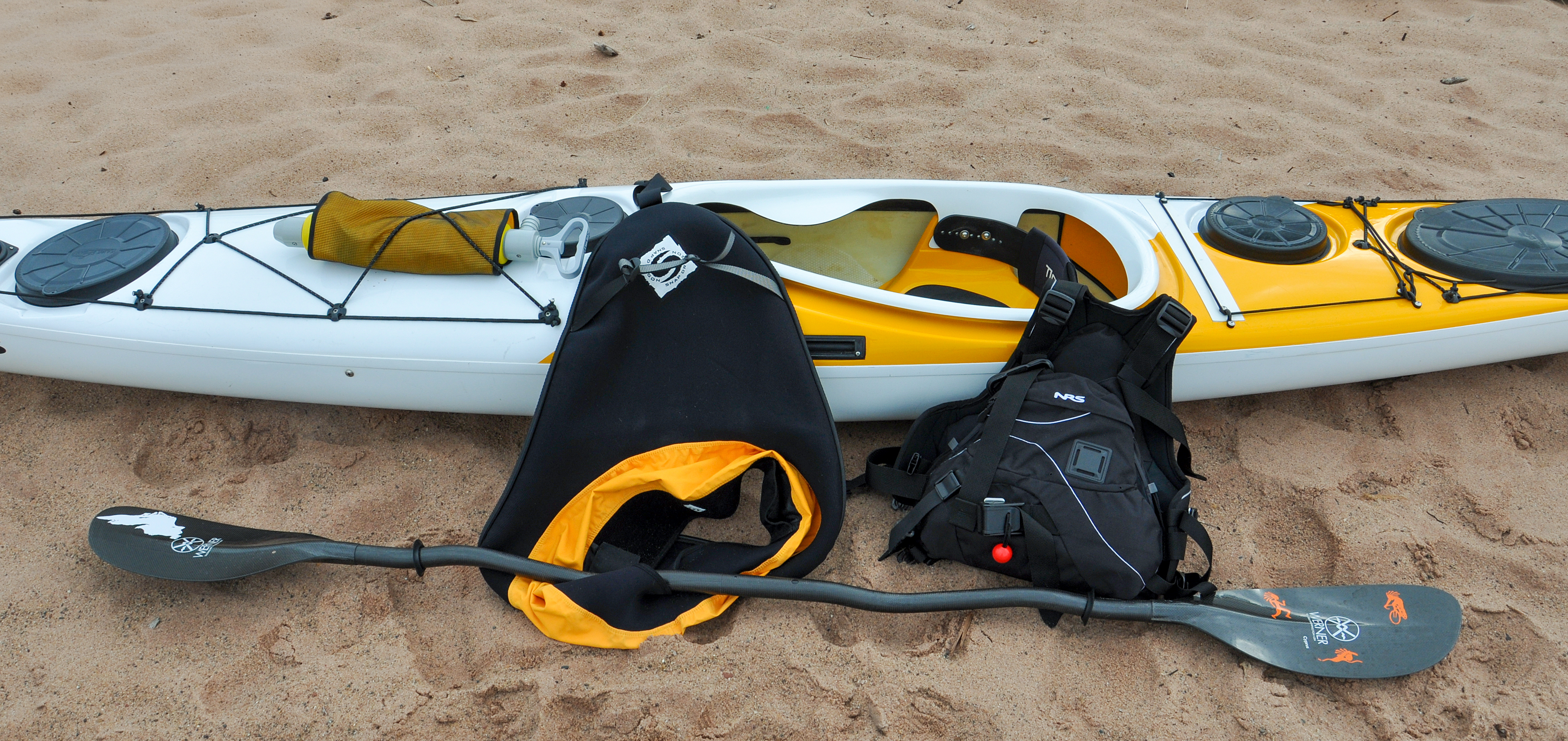
Paddling gear is essential for an enjoyable kayaking experience. It ensures safety and enhances performance on the water. Proper gear provides control and comfort, turning a good trip into a great one.Paddles And Spare Paddles
Choose a paddle that fits your height and kayak width. Lightweight materials like carbon fiber reduce fatigue. A spare paddle is vital. It can save you from being stranded. Pack it securely within reach.Paddle Leashes
A paddle leash connects your paddle to the kayak. It prevents loss if it slips from your grip. Attach it to ensure your paddle stays close. This small accessory can be a big lifesaver.Spray Skirts
Spray skirts keep water out of your kayak. They fit snugly around your waist and the cockpit rim. Choose one made from waterproof material for best results. Ensure it’s easy to remove in emergencies. A well-fitted spray skirt keeps you dry and comfortable.
Credit: www.youtube.com
Navigation Tools
When you’re out on the water, the serene surroundings can make it easy to lose track of time and direction. That’s where navigation tools come into play. These tools ensure you stay on course, whether you’re exploring new territories or just trying to find your way back to shore. Let’s dive into the essential navigation aids you should consider taking along on your kayaking adventure.
Maps And Gps Devices
Maps might seem old-fashioned, but they’re still a reliable backup for any electronic device. A detailed waterproof map gives you a clear view of the waterways and landmarks. It’s also a great way to plan your journey and discover hidden gems along the route.
GPS devices have become increasingly popular among kayakers. They’re compact, easy to use, and can provide real-time updates on your location. Even if you’re not tech-savvy, many GPS devices come with user-friendly interfaces that can guide you with just a few clicks.
Compasses
A compass is a timeless tool that can be crucial when your GPS battery decides to call it a day. It’s lightweight and doesn’t rely on electricity, making it a perfect companion for those who love to go off-grid.
Have you ever tried using a compass in a dense fog or under a thick canopy? It’s an experience that teaches you the importance of knowing cardinal directions. Practice using a compass before your trip to ensure you can navigate confidently.
Waterproof Cases For Electronics
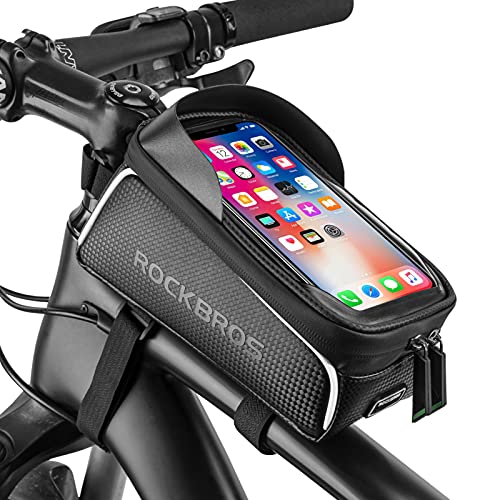
Your electronic devices are invaluable for navigation, communication, and capturing memories. But water can be their worst enemy. Investing in waterproof cases is a smart move to protect your devices.
Imagine capturing the perfect sunset photo only to realize your phone succumbed to a splash. A waterproof case can prevent such mishaps and give you peace of mind. Plus, they often come with extra features like floatation and screen protection, keeping your devices safe and functional.
As you gear up for your kayaking trip, think about how you’ll navigate the waters. Do you rely on technology, or do you prefer traditional methods? Whatever your choice, make sure you’re prepared to tackle any challenge and enjoy your adventure to the fullest.
Storage Solutions
Kayaking is an adventure that takes you to serene lakes, challenging rivers, and even the open sea. But the excitement can quickly turn to frustration if your gear isn’t properly stored. Storage solutions are crucial for ensuring a smooth, hassle-free experience on the water. So, what do you need to keep your essentials safe and easily accessible?
Dry Bags And Containers
When kayaking, keeping your belongings dry is paramount. Dry bags are your best friends here. They come in various sizes and are designed to keep water out, protecting everything from your phone to your snacks. Imagine getting caught in a sudden downpour or a rogue wave; a dry bag ensures your gear stays safe and dry.
Opt for brightly colored bags for easy visibility. Consider bags with shoulder straps for easy carrying during portages. If you need to store fragile items, use hard-shell waterproof containers. They offer an added layer of protection and can be easily stacked in your kayak.
Deck Bags
Deck bags are ideal for storing items you might need quick access to, like sunscreen, snacks, or a camera. They attach securely to your kayak’s deck, keeping essentials within arm’s reach. Ever tried fumbling through a backpack while paddling? A deck bag eliminates that hassle.
Look for bags with multiple compartments to organize your gear. Mesh pockets are handy for storing wet items like gloves or hats, allowing them to dry while you paddle. Reflective strips on deck bags can also improve visibility, especially if you plan to kayak at dusk or dawn.
Coolers For Food And Drinks
Nothing beats a cold drink or fresh sandwich during a break on a kayaking trip. Compact coolers are perfect for keeping your food and beverages chilled. Some coolers can even double as seating when you’re off the water, providing extra utility.
Consider ice packs instead of loose ice to minimize mess. Choose a cooler that fits snugly in your kayak without taking up too much space. Are you planning a longer trip? Portable coolers with wheels can be a lifesaver during land excursions.
So, what storage solution will you choose for your next kayak adventure? With the right gear, you can focus on enjoying the journey, not worrying about your essentials. Make a checklist before you hit the water, and ensure everything has a place. Your future self will thank you when you’re gliding smoothly on the water without a care in the world.
Communication Devices
Reliable communication devices are essential for kayaking. Consider taking a waterproof radio or a smartphone in a protective case. These tools help ensure safety and connectivity while navigating waters.
Kayaking offers an escape into nature’s beauty, but safety remains paramount. Communication devices are essential for staying connected during your adventure. They ensure you can reach help if needed and stay in touch with fellow kayakers. Here’s a look at three vital communication tools to consider for your kayaking trip.Two-way Radios
Two-way radios are reliable in areas with poor mobile coverage. They allow you to communicate with your group easily. Choose waterproof radios to withstand splashes or rain. Ensure they have a long battery life for extended trips. Handy for coordinating activities or alerting others in case of emergencies.Mobile Phones
Mobile phones are indispensable for modern adventures. Keep your phone in a waterproof case to protect it from water damage. Make sure to download offline maps before heading out. They are useful for navigation and emergency calls. Remember to fully charge your phone before starting your journey.Emergency Beacons
Emergency beacons provide a lifeline in critical situations. They send distress signals to rescue services. Choose a beacon with GPS capabilities for accurate location tracking. Keep it accessible in your kayak, not buried under gear. These beacons offer peace of mind, knowing help is just a signal away.Comfort And Convenience
Kayaking offers adventure and serenity, but comfort and convenience matter. Being prepared ensures an enjoyable experience on the water. Let’s explore the essentials for a comfortable kayak trip.
Seats And Cushions
A comfortable seat enhances the kayaking experience. Look for padded seats that offer back support. Many kayaks come with adjustable seats, allowing for better posture. Cushions add extra comfort, especially for longer trips. They prevent discomfort and reduce fatigue.
Hydration Systems
Staying hydrated is vital during kayaking. A hydration system keeps water accessible. Consider a water bottle with a strap or a hydration pack. It should be easy to reach and refill. Proper hydration boosts energy and keeps you focused.
Snacks And Energy Bars
Snacks provide quick energy while kayaking. Choose lightweight, nutritious options like energy bars. They are easy to pack and consume on the go. Snacks prevent hunger and keep you energized. Pack a variety to suit your taste and needs.
Fishing And Photography
Packing essentials for a kayaking adventure includes a sturdy fishing rod and a waterproof camera. Capture stunning moments and catch fish while enjoying the serene waters. Ensure your gear is compact and easy to handle for a smooth experience.
Kayaking offers a unique blend of adventure and tranquility. It’s not just paddling through water; it’s an experience. For enthusiasts, combining kayaking with fishing and photography can be rewarding. These activities allow you to capture memories and enjoy nature’s bounty. But what do you need to bring along? Here’s a guide to essential gear for fishing and photography while kayaking.Fishing Rods And Tackle
Fishing from a kayak requires compact and sturdy equipment. Choose a lightweight fishing rod. It should be easy to handle in tight spaces. Opt for a telescopic rod that collapses for convenience. Bring a small tackle box with essential gear. Include hooks, lures, and line cutters. Store them in an accessible spot on your kayak. This setup ensures you’re ready for any catch.Cameras And Mounts
Capturing breathtaking views on water is a must. Use a waterproof camera for the best results. It should withstand splashes and occasional rain. Consider an action camera for dynamic shots. Mounts are crucial for stability. Attach them securely to your kayak. This allows hands-free operation while paddling. Adjust the angle for the perfect shot. Remember, safety comes first. Always secure your equipment before launching.Waterproof Gear For Electronics
Protect your gadgets from water damage. Use waterproof bags or cases for all electronics. These keep your items dry and functional. Choose floating cases for extra safety. This ensures retrieval if they fall overboard. Store your phone, GPS, and other devices in these cases. Keep them within reach for easy access. An extra layer of protection never hurts. It guarantees your equipment stays in top shape during your adventure.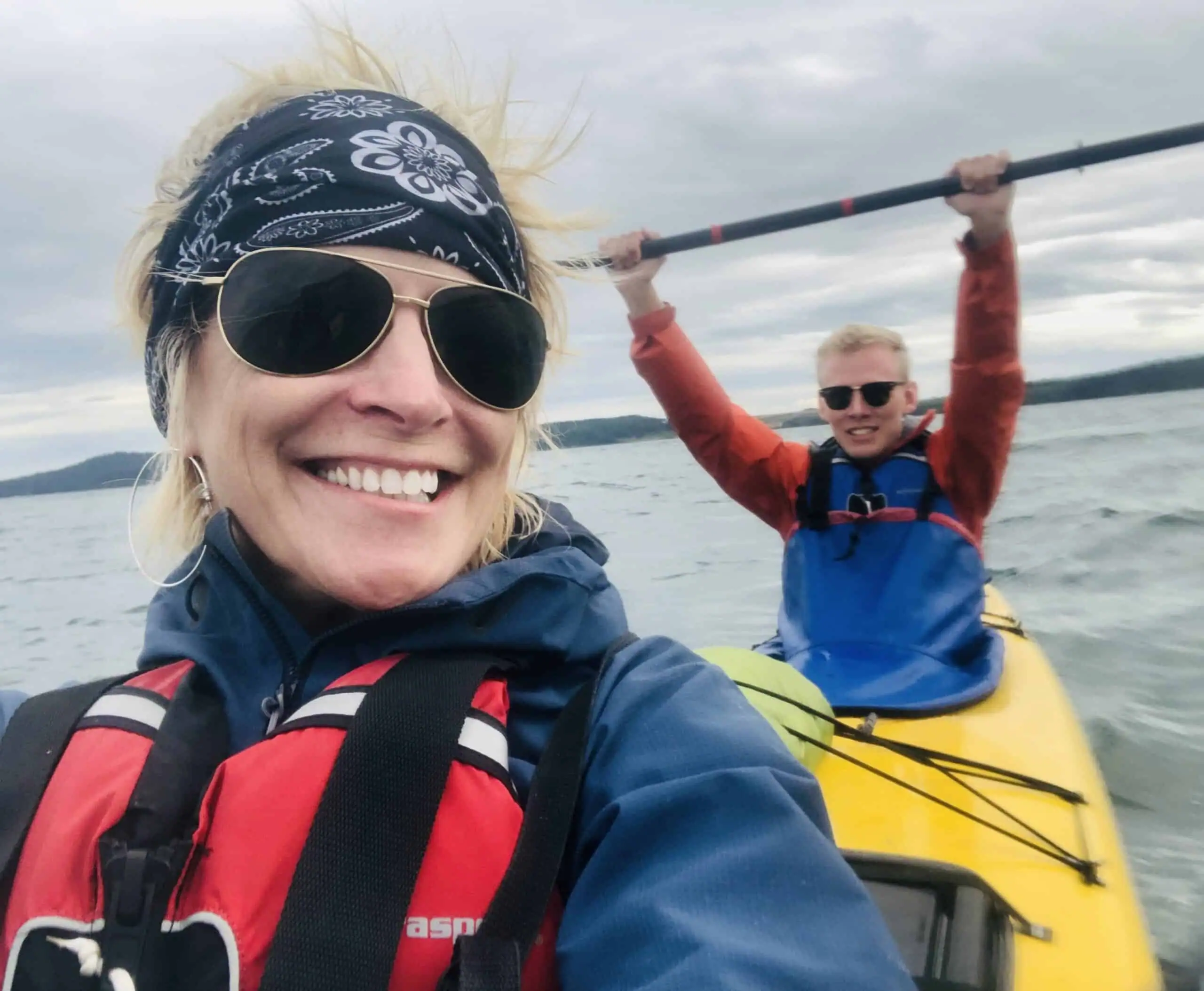
Credit: sea-quest-kayak.com
Frequently Asked Questions
What Is The 120 Rule For Kayaking?
The 120 rule for kayaking involves checking the air and water temperature sum. If it’s below 120°F, wear a wetsuit or drysuit for safety. This ensures protection from hypothermia, keeping you warm and safe during your kayaking adventure. Always prioritize safety when temperatures are low.
What Are The Three Rules Of Kayaking?
Always wear a life jacket, stay aware of weather conditions, and maintain proper communication with fellow kayakers.
What Is The 50-90 Rule In Sea Kayaking?
The 50-90 rule in sea kayaking advises paddlers to paddle 50 strokes and rest for 90 seconds. This practice helps maintain endurance, reduce fatigue, and ensures safety during long sea kayaking journeys. Balancing exertion and rest improves efficiency and enjoyment while navigating various marine conditions.
Do You Need Anything To Go Kayaking?
Yes, you need a kayak, paddle, life jacket, and safety gear to go kayaking. Wear appropriate clothing and sunscreen. Always check weather conditions and choose a suitable location. Beginners should consider lessons or guided tours for safety and skill development.
Conclusion
Kayaking brings fun and adventure. Packing the right gear ensures safety and enjoyment. Essentials like a life jacket and paddle are must-haves. Snacks and water keep you energized. Don’t forget sun protection—hat and sunscreen are key. A waterproof bag protects your belongings.
Remember a map or GPS for navigation. Proper footwear keeps your feet comfortable. Always check weather conditions before heading out. With the right preparation, kayaking becomes an unforgettable experience. Stay safe and have fun on the water!