
Imagine gliding across serene waters, surrounded by breathtaking winter landscapes, with the crisp air invigorating your senses. Kayaking in cold weather offers a unique and thrilling experience.
But before you embark on this adventure, it’s crucial to know what to wear to stay warm and safe. You might be wondering how to balance comfort with the ability to move freely, or how to protect yourself from the biting cold.
Don’t worry, we’ve got you covered. In this guide, you’ll discover essential clothing tips to ensure your kayaking trip is both enjoyable and safe. Keep reading to unlock the secrets to staying cozy while embracing the chill of your next kayaking adventure.

Credit: www.facebook.com
Layering Basics
Layering is key for kayaking in cold weather. Wear moisture-wicking base layers to stay dry. Add insulating middle layers like fleece for warmth. Finish with a waterproof outer layer to protect against wind and water.
Kayaking in cold weather can be an exhilarating experience, but it comes with its own challenges. One of the most important aspects is staying warm and dry. This is where layering becomes crucial. Layering your clothing properly ensures that you maintain your body heat while also being able to adjust to changing conditions. By using a combination of base, insulating, and outer layers, you can create a system that keeps you comfortable and safe. Let’s dive into the essentials of each layer.Base Layers
Your base layer is the foundation of your cold-weather kayaking outfit. It should be snug yet comfortable, wicking moisture away from your skin. Materials like merino wool or synthetic fibers work wonders here. Avoid cotton, as it retains moisture and can leave you feeling cold and clammy. Instead, opt for long-sleeve tops and leggings designed specifically for outdoor sports. Think of this layer as your second skin, providing a dry and warm environment for your body.Insulating Layers
Once your base layer is sorted, it’s time to focus on insulation. This layer traps heat while allowing moisture to escape. Fleece jackets or vests are excellent options. The key is to find a balance between warmth and mobility. You don’t want to feel restricted while paddling. On particularly chilly days, you might consider adding a second insulating layer. Experiment to find what works best for you.Outer Layers
The outer layer is your shield against the elements. It should be waterproof and windproof, yet breathable. A good quality drysuit or waterproof jacket and pants are essential. Ensure that your outerwear has adjustable cuffs and hems to keep water out. Even if the weather looks calm, always prepare for the unexpected. Wind and waves can change quickly, and your outer layer will be your main defense.
Credit: www.facebook.com
Waterproof Gear
Kayaking in cold weather demands preparation. Waterproof gear is crucial. It keeps you dry and warm, allowing for a safe and enjoyable experience. This gear protects against the cold and wet conditions, ensuring comfort and safety. Let’s explore the essential items you need.
Dry Suits
Dry suits provide full-body protection. They are made from waterproof materials. These suits keep you dry, regardless of waves or rain. Sealed seams prevent water from entering. They are a top choice for cold weather kayaking. Wear insulating layers underneath for added warmth. A snug fit ensures maximum effectiveness.
Dry Tops And Pants
Dry tops and pants offer flexibility. They are separate pieces but work together. These garments are waterproof, keeping your torso and legs dry. They allow for easier movement compared to a dry suit. Choose tops with adjustable neck and wrist seals. Pants should have tight ankle seals. Layer beneath them for warmth. This combination is ideal for milder cold conditions.
Footwear Considerations
Opt for neoprene boots or water-resistant shoes to keep feet warm and dry. Ensure footwear provides good grip on slippery surfaces. Choose snug-fitting boots to prevent water entry and maintain warmth during cold kayaking sessions.
When kayaking in cold weather, choosing the right footwear is vital. Cold water can lead to discomfort and even hypothermia. Proper footwear keeps your feet warm and dry, ensuring a safe kayaking adventure.Neoprene Boots
Neoprene boots are a top choice for cold-weather kayaking. These boots offer excellent insulation and water resistance. They are made of a flexible rubber material that helps retain body heat. The snug fit also prevents water from entering, keeping your feet dry. Choose boots with a good grip for stability on wet surfaces.Socks For Insulation
Pair neoprene boots with insulating socks for extra warmth. Wool socks are ideal as they provide warmth even when wet. Avoid cotton socks as they retain moisture and lose insulation. Consider wearing thermal socks under wool socks for added insulation. Ensure your socks fit well to avoid blisters during paddling.Head And Hand Protection
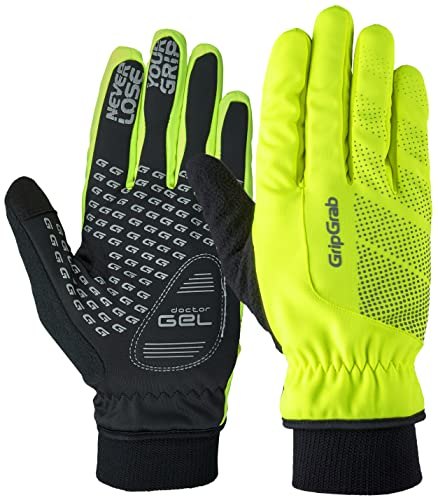
Wearing a snug-fitting hat and waterproof gloves is essential for kayaking in cold weather. These items help retain body heat and protect against the chilly wind and water. Prioritize materials that offer insulation and water resistance for maximum comfort and safety.
Kayaking in cold weather presents unique challenges, especially when it comes to staying warm. Protecting your head and hands is crucial, as these areas are most exposed to the elements. They are also prone to losing heat quickly, which can make your adventure uncomfortable or even dangerous. Let’s explore how to keep these vital parts warm and protected.Thermal Hats
Wearing a thermal hat can significantly reduce heat loss. Opt for hats made of materials like wool or fleece, which provide excellent insulation. A snug fit ensures the hat stays in place, even in windy conditions. Consider hats with ear flaps for extra coverage. Some kayakers swear by balaclavas for maximum protection. They cover not only your head but also your neck and face, offering comprehensive warmth. Don’t forget that color matters too. A bright hat can serve as a safety feature, making you more visible to others on the water.Gloves And Mittens
Cold hands can quickly ruin your kayaking experience. Choose gloves or mittens specifically designed for water sports, as they offer both warmth and dexterity. Neoprene gloves are a popular choice due to their water-resistant properties and flexibility. Mittens might seem less practical, but they offer superior warmth. Some paddlers use a combination, wearing gloves under mittens for added insulation. Ever tried pogies? These are mitt-like covers that attach to your paddle, allowing you to grip directly while keeping your hands shielded. They’re a game-changer when temperatures drop. Keeping your head and hands warm not only makes kayaking more enjoyable but also safer. Which of these tips will you try on your next cold-weather kayaking trip?Additional Accessories
Thermal gloves, neoprene socks, and a waterproof hat are essential accessories for kayaking in cold weather. These items help keep you warm and dry, ensuring a comfortable experience on the water.
Kayaking in cold weather can be an exhilarating experience, but it requires the right gear to keep you warm and safe. Beyond the basics, additional accessories can make all the difference in your comfort and security on the water. Let’s dive into some essential add-ons that will enhance your cold-weather kayaking adventure.Life Jackets
A life jacket is non-negotiable when kayaking, but in cold weather, it becomes even more vital. Opt for a life jacket that offers insulation, providing an extra layer of warmth. Many modern life jackets come with fleece-lined pockets, perfect for keeping your hands warm. Consider a high-visibility color to ensure you are easily spotted in case of an emergency. A life jacket with reflective strips can also be crucial, especially when kayaking in low-light conditions.Thermal Underwear
Thermal underwear is a game-changer for cold-weather kayaking. It acts as a base layer, trapping your body heat and keeping you snug without adding bulk. Look for materials like merino wool or synthetic fibers, which wick moisture away from your skin, preventing chills. Remember, the key to staying warm is layering. You might be surprised at how much warmth a good set of thermal underwear can provide, especially when paired with a dry suit. Are you prepared to test the waters and see just how cozy you can be while paddling in the cold?
Credit: sea-quest-kayak.com
Safety Tips
Dress in layers to stay warm while kayaking in cold weather. Wear a waterproof jacket and thermal base layers. Choose insulated gloves and a hat to protect against chilly winds.
Kayaking in cold weather demands careful preparation. Safety tips are crucial to ensure a secure and enjoyable experience. Proper clothing is vital, but knowing the environment and having the right gear enhances safety. Staying informed and equipped can make a significant difference.Checking Weather Conditions
Before heading out, check the forecast. Cold fronts can arrive suddenly, bringing rain or snow. Wind speed and direction affect your paddling and balance. Waves and currents can become stronger with changing weather. Knowing conditions helps plan your route and gear.Emergency Gear
Carry essential emergency gear. A waterproof dry bag keeps items safe. Include a first aid kit for minor injuries. A whistle signals for help if needed. Pack a thermal blanket for warmth. A fully charged phone ensures communication in emergencies. Having these items boosts your safety.Frequently Asked Questions
What Temperature Is Too Cold For Kayaking?
Kayaking in temperatures below 50°F (10°C) can be risky. Cold water increases hypothermia risk. Wear appropriate gear like wetsuits. Check weather conditions and always prioritize safety.
What Shoes To Wear Kayaking In Cold Weather?
Wear neoprene boots or waterproof kayaking shoes for cold weather. They provide warmth and protection from water. Choose shoes with good grip to prevent slipping. Consider wearing wool socks underneath for extra insulation. Ensure shoes fit snugly for comfort and safety during kayaking.
What Is The 120 Rule In Kayaking?
The 120 rule in kayaking suggests combining air and water temperature should be at least 120°F. This ensures safer conditions, reducing the risk of hypothermia. Always wear appropriate gear for safety.
How To Kayak In Cold Weather?
Wear layered clothing and a waterproof jacket. Choose a stable kayak for better control. Use a spray skirt to stay dry. Carry safety gear like a whistle and dry bags. Check weather forecasts and avoid icy waters. Paddle with friends for safety.
Conclusion
Braving cold weather kayaking requires smart clothing choices. Warm layers keep you cozy and safe. Choose waterproof gear to stay dry. Insulated jackets and pants provide added warmth. Don’t forget gloves and hats. They protect your extremities from freezing temperatures.
Proper footwear is crucial for traction and warmth. Check your kayak gear for any damage before heading out. Safety should always be your priority. Dress appropriately to enjoy your adventure. Being prepared enhances your kayaking experience. Stay warm and have fun on the water.