
When it comes to choosing between a kayak and a canoe, stability is often at the top of your list of concerns. You might be planning a serene day on a calm lake or an adventurous trip down a lively river.
Whatever your adventure, understanding which vessel offers more stability can make all the difference in your experience. You want to feel safe and confident on the water, without the fear of tipping over at the slightest wave. So, which is more stable: a kayak or a canoe?
Keep reading to discover the surprising truths and insights that could redefine your next aquatic adventure. The answer might just change the way you view your time on the water forever.
Credit: stevecleverdon.com
Kayak Vs Canoe: Key Differences
Choosing between a kayak and a canoe can be challenging. Both have unique features and advantages. Understanding the key differences helps in making an informed choice. Let’s explore the main distinctions between kayaks and canoes.
Design And Structure
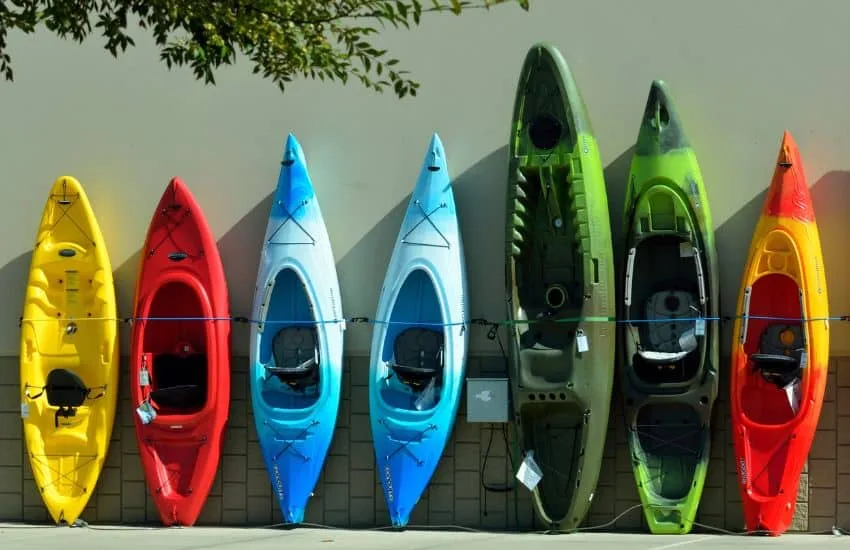
Kayaks are typically narrow and compact. They often have a closed deck. This design makes them fast and agile. Canoes, on the other hand, are wider and open at the top. Their design makes them more stable, especially in calm waters. The materials used also differ. Kayaks are often made from lightweight plastic or fiberglass. Canoes can be made from wood or heavier materials.
Seating Arrangement
Kayaks usually have a sit-in or sit-on-top style. The paddler sits low, with legs extended. Canoes have bench-style seats. Paddlers sit higher, often on a bench or kneeling. This difference affects comfort and stability. Kayaks offer more control in rough waters. Canoes provide better visibility and easier access.
Paddling Technique
Kayaking requires a double-bladed paddle. This allows for swift, alternating strokes on each side. Canoeing uses a single-bladed paddle. Paddlers often switch sides to maintain direction. The paddling style in kayaks is continuous and rhythmic. In canoes, it’s slower and more deliberate. Each technique offers a unique experience on the water.
Factors Affecting Stability
Choosing between a kayak and a canoe depends on stability factors. Canoes generally offer more stability due to their wider design. Kayaks, with their narrow and sleek shape, may feel less stable but are easier to maneuver.
Factors affecting stability in kayaks and canoes determine their performance. Understanding these factors helps in choosing the right vessel. Let’s explore the key aspects influencing stability.Hull Shape
The hull shape plays a critical role in stability. Flat-bottom hulls provide more initial stability. They’re ideal for calm waters. V-shaped hulls offer better tracking. They excel in choppy conditions. Rounded hulls balance speed and stability. Each shape suits different water activities.Width And Length
Width affects a vessel’s steadiness. Wider kayaks and canoes are more stable. They resist tipping better. Length also influences performance. Longer vessels track straighter. They glide smoothly on water. Shorter ones turn more easily. Choose based on your water adventure needs.Weight Distribution
Weight distribution impacts balance significantly. Evenly distributed weight enhances stability. Uneven weight can cause tipping. Kayaks often have adjustable seating. This helps in balancing weight. Canoes may require gear placement adjustments. Proper weight distribution ensures a safer ride.Comparative Stability
Kayaks offer more stability on flat water, making them ideal for beginners. Canoes, with their open design, provide better stability in calm conditions but can be more challenging in rough waters.
When deciding between a kayak and a canoe, understanding their stability in various conditions can guide your choice. Stability is crucial, not just for safety, but for a more enjoyable experience on the water. This section breaks down how each performs in different scenarios.Flat Water Conditions
Kayaks generally offer better stability on flat water due to their lower center of gravity. Their snug fit allows you to feel secure and in control. Canoes, on the other hand, might feel a bit wobbly unless you have experience balancing in them. However, the open design of canoes offers a relaxed paddling experience. If you enjoy a leisurely glide over calm lakes, a canoe might be your pick. Consider how each vessel aligns with your comfort and skill level.Rough Water Performance
In choppy waters, kayaks tend to outperform canoes thanks to their streamlined design. Their enclosed structure helps keep water out, giving you an edge when battling waves. Kayakers often feel more at ease tackling rough waters. Canoes can handle rough conditions too, but require a skilled paddler to navigate effectively. They offer a thrilling challenge for those who seek adventure. Are you ready to test your paddling prowess in unpredictable waters?Load Capacity
Canoes shine when it comes to carrying extra gear or passengers. Their spacious interiors allow for ample storage, making them ideal for camping trips or family outings. You can bring along everything you need without compromising stability. Kayaks, while limited in space, offer smart storage solutions with compartments and bungee cords. They are perfect for solo travelers who pack light. Which vessel fits your adventure style and gear needs?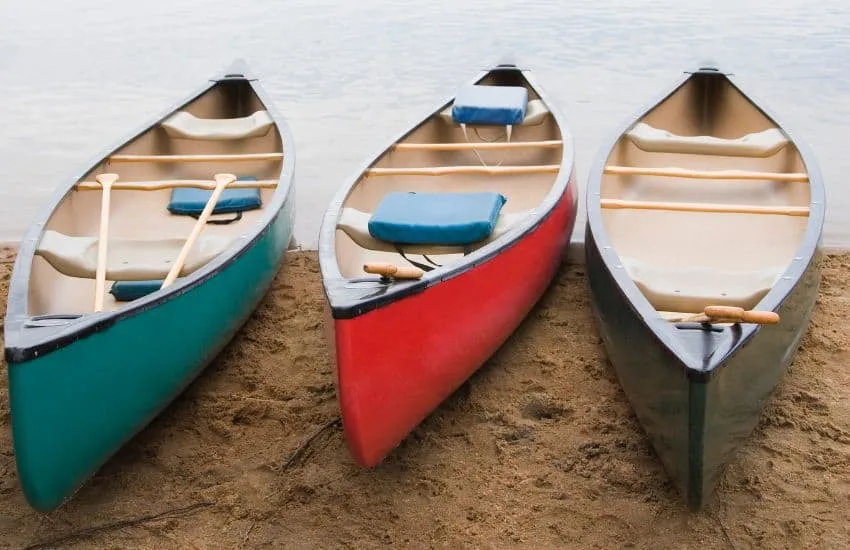
Credit: stevecleverdon.com
Choosing Based On Experience Level
Assessing kayak and canoe stability often depends on experience. Beginners may find canoes more stable on calm waters. Kayaks offer stability in rougher conditions, appealing to more seasoned paddlers.
Choosing Based on Experience Level When deciding between a kayak and a canoe, your experience level can be a significant factor. Both watercraft have their unique stability characteristics, which can greatly affect your enjoyment and safety on the water. Let’s explore which might be better suited for your current skills and aspirations.Beginner-friendly Options
As a beginner, you might find the wider and more open design of a canoe appealing. Canoes offer more room and are generally more stable on calm waters, making them ideal for first-timers. Imagine yourself on a serene lake, paddling at your own pace, with the added comfort of knowing you have a stable base. Kayaks, while also an option for beginners, can feel a bit tippier due to their narrower design. However, recreational kayaks are specifically designed with beginners in mind. They provide a balance between stability and maneuverability, which can help you build confidence as you learn to navigate.Advanced User Preferences
For those with more experience, kayaks often become the preferred choice. Their sleek design allows for greater speed and agility, which can be thrilling for seasoned paddlers. Whether you’re navigating rapids or exploring coastal waters, a kayak can offer the challenge and excitement you’re seeking. Experienced canoeists, on the other hand, might prefer the traditional aspect of canoeing. The ability to carry more gear and the skill required for advanced paddling techniques can make canoeing a rewarding experience. Have you ever tried a multi-day canoe trip, where your craft becomes not just a vessel, but a partner in adventure? Ultimately, the choice between a kayak and a canoe can depend heavily on your comfort level and the type of experience you’re after. Are you looking for a leisurely, stable ride or an exciting, skill-testing journey? Your choice might surprise you and lead to new discoveries on the water.Safety Considerations
When deciding between a kayak or canoe, safety is crucial. Each offers unique stability and safety features. Understanding these can greatly enhance your water experience. Let’s explore essential safety considerations for both.
Essential Gear
Proper gear enhances safety in kayaks and canoes. Life jackets are a must-have for all paddlers. They help prevent drowning in case of a capsize. Helmets protect against head injuries, especially in rough waters. Whistles are useful for signaling in emergencies. A paddle leash keeps your paddle from floating away. For kayaks, a spray skirt can prevent water from entering. Canoeists might find knee pads useful for long trips.
Common Hazards
Understanding hazards helps avoid accidents. Capsizing is a risk for both kayaks and canoes. Staying low and centered reduces this risk. Underwater obstacles like rocks and logs can cause sudden stops or tip-overs. Wildlife encounters, though rare, can be dangerous if not handled calmly. Always be aware of other watercraft to prevent collisions. Stay informed about water currents and tides, which can affect stability.
Weather Conditions
Weather impacts both kayaks and canoes. Calm conditions offer a safer experience. Windy weather can make steering difficult and increase the risk of capsizing. Rain reduces visibility and makes surfaces slippery. Cold weather requires proper clothing to prevent hypothermia. Always check weather forecasts before heading out. Sudden weather changes can pose serious risks.

Credit: cliffcanoe.com
Tips For Improving Stability
Choosing between a kayak and a canoe depends on stability needs. Kayaks offer more stability due to their design. Canoes provide a higher center of gravity, making them less stable but ideal for calm waters.
Improving stability in kayaks and canoes is crucial for a smooth and enjoyable experience on the water. Whether you’re a beginner or a seasoned paddler, understanding the art of balance and control can make a significant difference in your adventures. Stability isn’t just about the vessel itself; it’s about how you interact with it. Below are some practical tips to enhance your stability while paddling.Proper Paddling Techniques
Mastering the right paddling techniques can drastically improve your stability. Focus on maintaining a steady rhythm as you paddle. Keep your strokes consistent and avoid overextending, which can lead to imbalance. Use your torso to rotate, not just your arms. This helps distribute your weight evenly across the vessel, reducing wobble. Imagine you’re pulling yourself through the water, not just pushing it away. Are you engaging your core muscles effectively? This can provide added stability and control, keeping you balanced even when facing unexpected waves or currents.Balancing Skills
Developing your balancing skills is key to feeling secure in a kayak or canoe. Start by practicing in calm waters to get a feel for the vessel’s movement. Shift your weight gently to understand how it responds. Try kneeling or sitting low in the boat. This lowers your center of gravity, providing more stability. It’s a simple adjustment that can make a big difference. Can you maintain balance while still? Practice staying steady without paddling. This helps you learn to counteract movements from external forces like wind or waves.Customization Options
Customizing your kayak or canoe can offer enhanced stability. Consider adding stabilizers or outriggers if you frequently paddle in rough waters. They provide extra support and can be easily attached. Adjust the seat position to suit your comfort and stability needs. A well-positioned seat can help distribute your weight more evenly, reducing the risk of tipping. Have you thought about gear modifications? Simple additions like knee braces or thigh straps can secure you better in the vessel, giving you more control and confidence as you paddle. By focusing on these areas, you’ll find yourself navigating the waters with greater ease and enjoyment.Frequently Asked Questions
Is A Canoe More Stable Than A Kayak?
Canoes are generally more stable than kayaks due to their wider and flatter design. This stability makes them ideal for calm waters and recreational use. Kayaks offer better maneuverability and speed, suited for rough waters and adventurous activities. Your choice depends on the intended use and personal preference.
Is It Harder To Kayak Or Canoe?
Kayaking generally requires more upper body strength and balance. Canoeing involves more teamwork and coordination. The difficulty depends on personal preference, skill level, and the water conditions. Both activities offer unique challenges and enjoyment for enthusiasts.
Do Kayaks Or Canoes Flip Easier?
Kayaks generally flip easier than canoes due to their narrower design. Canoes offer better stability, especially on calm waters. However, factors like experience and water conditions also influence stability. Always wear a life jacket for safety.
Why Choose A Kayak Over A Canoe?
Kayaks offer better speed, maneuverability, and stability in rough waters. They are lightweight and easy to transport. Kayaks provide more control and are ideal for solo paddling. They are perfect for fishing, touring, and white-water adventures. Kayaks often have enclosed cockpits, keeping you drier in choppy conditions.
Conclusion
Choosing between a kayak and a canoe depends on your needs. Kayaks offer more stability for beginners. Canoes provide space and are ideal for calm waters. Consider your experience level and the type of water you’ll explore. Both have their strengths and limitations.
Think about your comfort, purpose, and conditions. Test each option if possible. Feel the balance, ease of paddling, and overall fit. Your choice should enhance your adventure. Enjoy the journey, whether paddling a kayak or canoe. Each offers unique experiences on the water.
Make the right choice for you.