
Have you ever stood at the edge of a serene lake or rushing river, wondering whether you should hop into a kayak or a canoe? Choosing between them can be as tricky as navigating a winding stream.
You might think they look pretty similar at first glance, but they offer unique experiences that could make all the difference in your adventure. Whether you’re planning a leisurely paddle or an adrenaline-filled exploration, understanding these differences is crucial. You’ll discover the key distinctions between kayaks and canoes, helping you decide which vessel is perfect for your next water escapade.
Prepare to unlock the secrets of the waters and find out which craft suits your style best!
Types Of Kayaks And Canoes
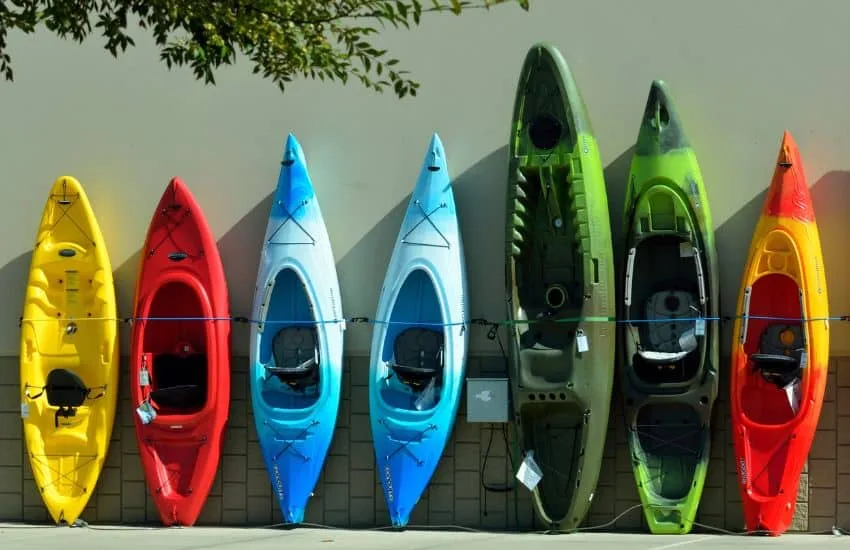
Kayaks are enclosed with a small cockpit and are paddled using a double-bladed paddle. Canoes are open-top vessels, paddled with a single-bladed paddle, ideal for serene waters. Kayaks are often preferred for speed and maneuverability, while canoes offer stability and ample storage space.
Understanding the various types of kayaks and canoes can greatly enhance your paddling experience, whether you’re on a serene lake or navigating a rushing river. The right model can make all the difference, providing comfort, safety, and the perfect performance for your adventure. Let’s dive into the different types of kayaks and canoes available, so you can find the one that best suits your needs.Recreational Models
Recreational kayaks and canoes are perfect for beginners or those who enjoy casual paddling. They are usually wider and more stable, making them easy to maneuver on calm waters. Imagine yourself gently gliding across a peaceful lake, enjoying the scenery without worrying about tipping over. These models often come with comfortable seating and ample storage space for your gear. They’re great for a relaxing day out, perhaps with a picnic packed in the back. If you’re looking for a simple and enjoyable paddling experience, recreational models are the way to go.Touring And Sea Options
Touring kayaks and canoes are designed for longer trips, offering features that cater to more experienced paddlers. They have a sleeker design, which allows for better speed and efficiency over long distances. Picture yourself navigating coastal waters, exploring hidden coves and inlets with ease. These models often include features like skegs or rudders to help maintain direction in windy conditions. They also provide more storage space, perfect for multi-day trips. If you’re planning a long journey, these options can provide the performance and comfort you need.Whitewater Variants
For those seeking an adrenaline rush, whitewater kayaks and canoes are built to handle the challenges of fast-moving rivers and rapids. These models are shorter and more maneuverable, allowing you to quickly react to the changing currents. Imagine the thrill of tackling a wild river, feeling every twist and turn as you navigate the rapids. Safety is a top priority with these models, often featuring reinforced hulls and specialized flotation devices. You might find yourself needing to roll or brace, skills that can be both exciting and essential in whitewater adventures. If you crave excitement and are ready to embrace the challenge, whitewater variants might be your best pick. By exploring the different types of kayaks and canoes, you can find the ideal vessel for your paddling goals. Whether you’re seeking relaxation or adventure, there’s a perfect option waiting for you. Which type will you choose for your next water adventure?Design And Structure
Understanding the design and structure of kayaks and canoes is essential for enthusiasts. These watercrafts differ in their hull shapes, cockpit designs, and material composition. This knowledge helps you choose the right vessel for your adventures.
Hull Shapes
Kayaks usually have a sleek, narrow hull. This design aids in speed and maneuverability. Canoes boast a wider, open hull. It provides stability and ample storage space. The hull shape influences how each vessel handles on water.
Cockpit And Seating
Kayaks feature an enclosed cockpit. Paddlers sit inside, often with a spray skirt. This design protects from water and weather. Canoes offer open seating areas. Paddlers sit on benches or kneel. The open design provides freedom of movement and easy access.
Material Composition
Kayaks are crafted from various materials. Common choices include plastic, fiberglass, and Kevlar. These materials provide durability and lightweight properties. Canoes often use wood, aluminum, or composites. The choice of material affects weight and performance.
Paddles And Techniques
Paddles and techniques play a crucial role in kayaking and canoeing. They influence speed, control, and overall experience on the water. Understanding the differences helps enthusiasts choose the right activity. Let’s explore these differences.
Single Vs. Double Bladed Paddles
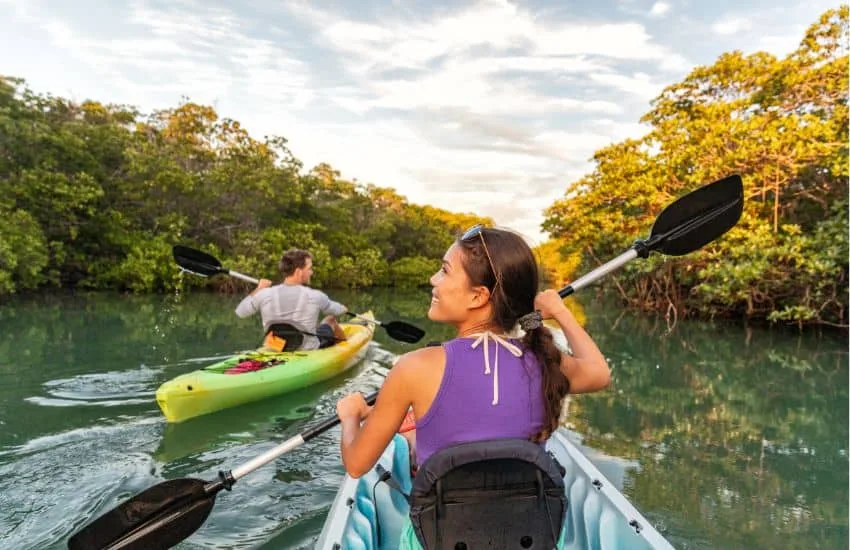
Canoes typically use single-bladed paddles. These are short and easy to handle. Paddlers alternate strokes on each side. This helps maintain balance and direction. Kayaks use double-bladed paddles. They are long with blades on both ends. Paddlers use a rhythmic motion, switching sides with each stroke. This offers speed and smooth transitions.
Paddling Styles
Canoeing involves a more upright paddling style. Paddlers often kneel for stability. This posture gives power and control. Kayaking uses a seated position. This allows for a low center of gravity. Paddlers use their entire body, not just arms. This technique is efficient and less tiring.
Steering And Maneuvering
Steering a canoe relies on the “J-stroke.” It involves twisting the paddle at the end of a stroke. This prevents the canoe from drifting. Kayakers use the “sweep stroke” to turn. They extend the paddle out wide and pull it back. This causes the kayak to pivot. Both techniques require practice for precision and control.
Credit: stevecleverdon.com
Performance And Purpose
Kayaks and canoes differ in design and purpose. Kayaks are usually enclosed, offering speed for adventure. Canoes are open, providing stability for leisure activities and exploration.
Kayaks and canoes offer unique experiences on the water. Understanding their performance and purpose helps in selecting the right vessel. Each has distinct characteristics suited for different activities and environments.Speed And Stability
Kayaks are typically faster due to their sleek design. They cut through water with less resistance. Canoes, wider and open, offer greater stability. This makes them ideal for calm waters. Kayaks excel in speed, especially in rough waters. Canoes provide a steadier ride, perfect for relaxed paddling.Storage And Gear Capacity
Canoes boast larger storage areas. Their open design accommodates more gear. This suits long trips where supplies are essential. Kayaks have limited storage, often in sealed compartments. They are perfect for short adventures. Choose a canoe for carrying camping gear or fishing equipment. Kayaks are great for quick, light excursions.Suitability For Different Waters
Kayaks handle well in fast-moving waters. Their design is perfect for navigating rapids or ocean waves. Canoes are better suited for lakes and gentle rivers. Their stability is ideal for leisurely exploration. For challenging waters, kayaks are the go-to choice. For tranquil settings, canoes offer a peaceful experience.Safety And Accessibility
Safety and accessibility differ between kayaks and canoes. Kayaks are enclosed, offering more protection from water. Canoes, open-topped, provide easier access and exit, ideal for those with limited mobility.
Safety and accessibility are vital in water sports like kayaking and canoeing. Understanding the differences helps enthusiasts choose the right activity. Each offers unique experiences, but safety and ease of access vary.Safety Equipment
Kayaks and canoes require different safety gear. Kayaks often need spray skirts to keep water out. Canoes usually don’t need these. Life jackets are essential for both. Helmets are recommended in rough waters. Consider carrying a whistle for emergencies. A paddle leash can prevent losing your paddle.Skill Levels Required
Kayaking may need more initial skills. Balance is crucial in a kayak. Canoeing is generally easier for beginners. Kayaks require more technique for paddling. Canoes are stable and forgiving. Both require practice for mastery.Accessibility For Beginners
Canoes are often more accessible for newcomers. They are stable and roomy. Families can enjoy canoeing together. Kayaks might feel confined initially. But they offer a thrilling ride. Both activities are accessible with proper guidance. Lessons can boost confidence quickly. Enthusiasts find joy in both pursuits.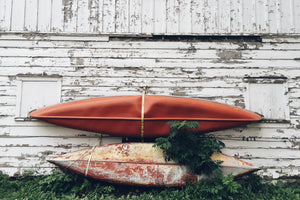
Credit: www.baysports.com.au
Cultural And Historical Context
The cultural and historical context of kayaks and canoes is rich and varied. Both have served important roles in different societies worldwide. Understanding their origins and cultural significance helps appreciate these watercrafts more deeply. From indigenous practices to modern recreation, their stories are fascinating.
Origins And Evolution
Kayaks originated with the Inuit people in the Arctic region. They crafted these vessels using materials like wood and animal skins. The design was essential for hunting and travel on icy waters. Canoes, on the other hand, have roots in various cultures globally. Indigenous tribes in North America and Africa used canoes for transportation and fishing. Early canoes were made from tree bark or hollowed logs. Both kayaks and canoes evolved over time, adapting to new materials and technologies.
Cultural Significance
Kayaks hold a special place in Inuit culture. They symbolize ingenuity and survival in harsh climates. Canoes are deeply embedded in the traditions of many indigenous peoples. They often represent a connection to nature and community. In both cases, these vessels are more than just tools. They are part of the cultural heritage and identity of the communities that created them.
Modern Usage
Today, kayaks and canoes are popular recreational vehicles. People use them for leisure, sport, and exploration. Kayaking has become a competitive sport worldwide. Canoeing also enjoys popularity, with many enthusiasts exploring rivers and lakes. Both activities promote physical fitness and a connection to nature. Modern designs use materials like fiberglass and plastic, making them accessible to many. Whether for sport or leisure, kayaks and canoes continue to capture the imagination of adventurers.
Credit: stevecleverdon.com
Frequently Asked Questions
Is Canoeing Or Kayaking Easier?
Canoeing is generally easier for beginners due to its stability and open design. Kayaking offers more speed and maneuverability but requires a bit more skill. Both activities provide unique experiences, so personal preference plays a role. Beginners might find canoeing less challenging initially.
What Is Safer, A Canoe Or A Kayak?
A kayak offers more stability due to its design, making it generally safer. Canoes are prone to tipping in rough waters. Safety largely depends on conditions and experience. Both can be safe with proper training and equipment. Always wear a life jacket and follow safety guidelines.
Is A Kayak Or Canoe Easier To Flip?
Kayaks are generally easier to flip than canoes. Their narrow design offers less stability. Canoes have a broader base, providing more balance. Experienced paddlers may find both stable with practice. Always consider skill level and water conditions for stability.
Is A Kayak Considered A Canoe?
Kayaks and canoes are different types of watercraft. Kayaks have a closed deck and are paddled with a double-bladed paddle. Canoes have an open deck and use a single-bladed paddle. Both serve distinct purposes and aren’t the same.
Conclusion
Choosing between a kayak and a canoe depends on your needs. Kayaks are ideal for speed and maneuverability. Canoes offer more space for gear and people. Both have unique benefits for water adventures. Consider your activity and comfort level. Try both to see what suits you best.
Experience the water in your preferred style. Enjoy the serenity and excitement. Each option provides a unique way to explore nature. Find what fits your adventure dreams. Both promise memorable water journeys.