
Curiosity often leads us down fascinating paths, doesn’t it? You’ve probably used Kayak to book flights or find hotels, but have you ever wondered where this popular travel platform actually comes from?
Knowing the roots of a service you use can add a whole new layer of appreciation and trust. Imagine uncovering the story behind Kayak’s origin, and how it has shaped the way you plan your adventures today. As you read on, you’ll discover intriguing insights into Kayak’s beginnings, its rise to fame, and what makes it a trusted companion for travelers like you.
Stick around, because this isn’t just about facts—it’s about connecting with a brand that transforms your travel dreams into reality.
Kayak’s Historical Roots
Kayaks originated from the Arctic regions, crafted by Inuit and Aleut people. Built for hunting and transportation, these vessels were made using animal skins and driftwood, showcasing incredible ingenuity and adaptation to harsh environments.
Understanding the historical roots of the kayak takes you on a journey back in time, connecting you with ancient cultures and their innovative spirit. The kayak is not just a simple watercraft; it is a testament to human ingenuity and adaptability. Its origins tell a fascinating story of survival, exploration, and tradition, which continues to influence its modern use.The Origins Of Kayaking
Kayaks first appeared over 4,000 years ago, created by the indigenous peoples of the Arctic regions. The Inuit, Aleut, and Yup’ik tribes crafted these vessels for hunting and transportation in icy waters. They skillfully used materials like driftwood and animal skins to build kayaks, ensuring their survival in harsh environments.Design And Construction
The early designs were ingeniously adapted to local needs and available materials. Kayaks were typically built to fit a single user, tailored to their body size for efficiency and speed. This bespoke approach to construction ensured that every kayak was uniquely suited to its paddler, enhancing both safety and effectiveness on the water.Kayak’s Role In Cultural Heritage
Beyond practicality, kayaks held significant cultural value. They were considered personal possessions, often passed down through generations. The construction and use of kayaks were deeply embedded in the traditions and rituals of the communities, reflecting their connection to the natural world and their survival skills.Modern Interpretations And Innovations
Today, kayaks have evolved, but their historical essence remains. Modern materials like fiberglass and plastics have transformed their construction, making them lighter and more durable. Yet, the spirit of adventure and exploration that drove their original design continues to inspire kayak enthusiasts worldwide. Have you ever wondered how ancient techniques could influence your next outdoor adventure? Embracing the historical roots of kayaking might just add a deeper layer of appreciation to your next paddle down the river.Indigenous Inventions
Indigenous people have created remarkable inventions that shape modern life. Among these, the kayak stands out as a testament to innovation and adaptability. This sleek watercraft has a fascinating history rooted in the ingenuity of native cultures. Exploring the kayak’s origins reveals a story of survival, skill, and cultural significance.
History And Origins
The kayak traces back to the Arctic regions. Indigenous groups like the Inuit crafted it for hunting and travel. They used materials available in their environment. Animal skins and driftwood were common choices. These early designs were practical and efficient. They allowed for movement through icy waters.
Construction Techniques
Building a kayak required specialized knowledge. Indigenous craftsmen used techniques passed down through generations. They stretched animal skins over wooden frames. This process ensured the kayak was lightweight and buoyant. Seams were sealed with natural oils to make them watertight. Each kayak was tailored to the user’s needs.
Kayaks were more than just transportation. They held cultural and spiritual importance. They were symbols of survival and connection to nature. Indigenous people relied on kayaks for fishing and hunting. These activities sustained their communities. The kayak was a vital part of life in harsh climates.
Modern Influence
Today, kayaks are used worldwide for recreation and sport. Their design has evolved but retains traditional elements. Modern kayaks reflect indigenous craftsmanship. They are built for performance and durability. This fusion of old and new keeps the kayak relevant.
Cultural Significance
The kayak, a small and narrow watercraft, holds deep cultural significance. Originating from the Arctic regions, it was crafted by the Inuit people. This boat was essential for hunting and transport across icy waters. Today, it symbolizes tradition, survival, and innovation.
Cultural Symbol Of Survival
Inuit communities depended on kayaks for survival. The design allowed stealthy movement through water. Hunters used them to approach seals and whales quietly. This connection to survival is still celebrated in Inuit culture.
Artistic Expression And Craftsmanship
The construction of a kayak was a form of art. Inuit craftsmen created each kayak by hand, using wood and animal skins. These materials were sourced locally, showing resourcefulness. The process itself was a cultural ritual, passed through generations.
Preserving Tradition And Heritage
Today, kayaks are a link to the past. Inuit people keep their traditions alive through kayak-making workshops. These events teach younger generations about their heritage. This cultural preservation is crucial for maintaining identity.
Modern Influence And Global Popularity
Kayaks have gained global recognition. Their design inspired modern recreational and sports kayaks. People worldwide now enjoy kayaking as a leisure activity. This expansion highlights the kayak’s influence beyond its original purpose.
Evolution Over Time
The evolution of Kayak is a captivating journey. It began as a simple search tool and transformed into a robust travel platform. Over time, Kayak adapted to the changing needs of travelers. It embraced new technologies and expanded its services. Let’s explore how Kayak evolved over the years.
From Humble Beginnings
Kayak launched in 2004. It started as a travel search engine. Its primary function was to compare flight prices. Users loved its simplicity and efficiency. It quickly gained popularity.
Expansion And Growth
As its user base grew, Kayak expanded its offerings. It added hotels, car rentals, and vacation packages. This made it a one-stop travel solution. The platform became more comprehensive and user-friendly.
Mobile Revolution
With the rise of smartphones, Kayak went mobile. It launched its first app in 2009. This allowed users to book travel on-the-go. The app’s intuitive design attracted more users. Mobile access became a game-changer.
Innovative Features
Kayak introduced innovative features to enhance user experience. Price Alerts notified users of fare changes. Explore helped users find destinations within their budget. These features kept users engaged and informed.
Global Reach
Kayak expanded its reach beyond the United States. It launched localized versions in Europe and Asia. This broadened its market and attracted international travelers. Global expansion proved successful.
Integration With Technology
Kayak integrated with AI and machine learning. This improved search accuracy and personalized results. Users enjoyed a smarter, more tailored experience. Technology became key to Kayak’s success.
Modern Adaptations
Kayaks originated from the Arctic regions, crafted by Inuit, Yupik, and Aleut tribes. These small, narrow boats were essential for hunting and fishing in icy waters.
Modern kayaks have evolved far beyond their traditional counterparts, offering a range of features that cater to various water activities. The sleek designs and advanced materials used today make kayaking not only accessible but also more enjoyable. Let’s dive into the fascinating world of modern kayak adaptations and see how they’ve transformed this ancient craft.Technological Innovations
Today’s kayaks are crafted from lightweight materials like fiberglass, carbon fiber, and high-density polyethylene. These materials improve durability and performance on the water. Some models even include integrated GPS systems and waterproof Bluetooth speakers, enhancing your paddling experience.Enhanced Comfort
Modern kayaks are designed with user comfort in mind. Adjustable seats with lumbar support and footrests make long paddling sessions much more bearable. Have you ever spent hours in a kayak and found yourself wishing for more comfort? These features might just be the answer.Specialized Designs
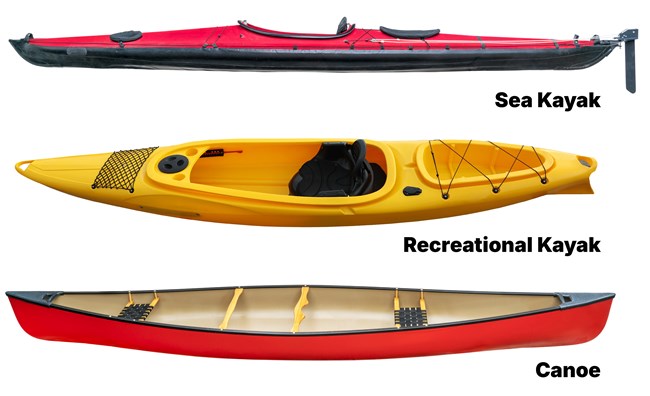
There are kayaks tailored for specific activities such as fishing, racing, or sea touring. Fishing kayaks, for instance, come equipped with rod holders and storage compartments for gear. If you’ve ever been curious about trying a specific water sport, there’s likely a kayak designed just for it.Eco-friendly Options
Sustainability is becoming a key focus in kayak production. Some companies are using recycled materials or sustainable manufacturing processes. This shift not only helps the environment but also appeals to the eco-conscious paddler.Inflatable Kayaks
Inflatable kayaks offer portability without sacrificing performance. They can be easily packed into a bag and stored in a car trunk, making them ideal for travelers or those with limited storage space. Have you considered how an inflatable kayak could fit into your adventurous lifestyle? Modern adaptations in kayaking provide more opportunities for enthusiasts to enjoy this timeless activity. With so many options available, there’s truly something for everyone, whether you’re a novice or a seasoned paddler.
Credit: www.nps.gov
Global Influence
Kayak originates from the United States, founded in 2004. It quickly became a global travel search engine. Known for its user-friendly interface, Kayak helps millions find flights, hotels, and rental cars.
Kayak’s global influence is undeniable, stretching far beyond its origins. As a travel tool, it has reshaped how we explore the world, making travel planning more accessible and efficient for millions. But how exactly has Kayak impacted the global travel landscape? Let’s delve into its international reach and transformative effects.International Expansion
Kayak started as a small venture in the United States, but its ambition was never confined to local borders. Quickly identifying the global demand for streamlined travel planning, Kayak expanded its services internationally. Today, you can find Kayak’s influence in numerous countries, offering localized versions of its platform to cater to diverse needs and preferences. This strategic expansion has been crucial in connecting travelers with the best flight deals, accommodation options, and car rentals worldwide. Have you ever used Kayak while planning a trip abroad? If so, you’ve likely benefited from its comprehensive database that covers international airlines and hotels, making it simpler for you to navigate travel logistics in foreign lands.Localized Content
One of Kayak’s standout strategies has been its commitment to providing localized content. This approach ensures that users from different regions receive the most relevant travel information, tailored to their specific locales. By integrating local languages, currencies, and travel regulations, Kayak makes it easier for users to access pertinent information without the hassle of translation or conversion. This personalized touch enhances user experience and fosters trust among diverse audiences. Imagine planning a trip to Japan without having to worry about language barriers or currency confusion. Kayak’s localized content eliminates these obstacles, allowing you to focus on the excitement of your journey.Collaborations And Partnerships
Kayak’s global influence is amplified through strategic collaborations and partnerships. By teaming up with airlines, hotels, and travel agencies, Kayak offers a robust network of options for travelers, ensuring competitive prices and exclusive deals. These partnerships also facilitate access to a wide range of services, from budget-friendly accommodations to luxurious experiences. Have you ever scored a great hotel deal through Kayak? That’s likely due to its extensive collaboration with hospitality providers worldwide. Such alliances not only benefit you as a traveler but also contribute to the growth of the global tourism industry, promoting economic development and cross-cultural exchanges.Impact On Travel Behavior
Kayak’s presence has significantly influenced travel behavior, encouraging more spontaneous adventures and informed decision-making. With its user-friendly interface and comprehensive search capabilities, Kayak empowers travelers to explore new destinations without hesitation. How has Kayak changed the way you travel? Perhaps it has inspired you to visit places you hadn’t considered before, or helped you find the best route for a last-minute getaway. This shift towards more dynamic travel experiences reflects Kayak’s role in shaping modern travel culture, where flexibility and accessibility are paramount.Preservation Efforts
Kayaks originate from the Arctic regions, traditionally used by indigenous peoples for hunting and transportation. Preservation efforts focus on maintaining cultural heritage and ensuring sustainable practices in modern kayak production.
Preservation efforts are crucial in maintaining the rich history and cultural significance of kayaking. This ancient mode of transportation and exploration has evolved, yet its roots remain essential. By understanding and supporting these efforts, you contribute to safeguarding a legacy that spans generations.Community Involvement
Engage with local kayaking clubs and organizations. These groups often host events that focus on conservation and education. Your participation not only enhances your kayaking skills but also supports initiatives that protect waterways and wildlife.Government And Nonprofit Initiatives
Governments and nonprofits play a significant role in preservation efforts. They implement policies that ensure the protection of natural habitats. Look into volunteer opportunities with these organizations to directly contribute to their missions.Education And Awareness
Education is a powerful tool in preservation. Share knowledge about the ecological importance of kayaking environments. Host workshops or seminars to raise awareness among peers and encourage responsible kayaking practices.Eco-friendly Practices
Adopt eco-friendly practices while kayaking. Use biodegradable products and avoid single-use plastics. Small changes in your routine can significantly impact the conservation of the natural landscapes you explore.Support Conservation Funding
Financial contributions to conservation projects can drive meaningful change. Look for initiatives that focus on preserving kayaking areas. Even a small donation can support research and development efforts aimed at sustainability. Engaging in preservation efforts is more than just maintaining a sport; it’s about honoring traditions and ensuring future generations can experience the beauty of kayaking. What steps can you take today to contribute to these efforts?
Credit: explorersweb.com
Credit: www.nps.gov
Frequently Asked Questions
Where Does Kayak Originate?
Kayaks originate from the Arctic regions, including Greenland, Canada, and Alaska. Indigenous peoples, like the Inuit, invented them. They were used for hunting and transportation on water. Modern kayaks are now popular worldwide for recreation and sports.
What Country Is Kayak From?
Kayak is originally from the United States. It was founded in 2004 by Paul M. English and Steve Hafner. The company revolutionized travel booking by aggregating information from various travel sites, providing users with seamless flight, hotel, and car rental searches.
Kayak is now a global travel search engine.
Is Kayak A Legitimate Travel Site?
Yes, Kayak is a legitimate travel site. It offers reliable services for booking flights, hotels, and car rentals. Kayak aggregates deals from various travel providers, ensuring competitive prices. Users trust its efficient search tools and convenient comparison features. Always verify reviews and details before finalizing bookings.
Where Is A Kayak From?
The kayak originated from Arctic regions, created by the Inuit, Aleut, and Yupik peoples for hunting. These small, narrow boats are traditionally made from animal skins stretched over a wooden frame. Modern kayaks use materials like plastic and fiberglass, making them popular for recreation worldwide.
Conclusion
Kayak’s origin is rich and fascinating. It started in Denmark. This travel company has grown worldwide. Kayak helps millions plan trips easily. Its technology simplifies travel searches. Users find flights, hotels, and car rentals quickly. This convenience attracts travelers everywhere.
Kayak’s story shows innovation in travel. It remains a trusted tool for many. As travel evolves, Kayak adapts. Its roots in Denmark still influence its journey today. Discovering its history enriches your travel planning. Kayak continues to connect the world.
A true travel companion for everyone.