
Paddling through serene waters in your kayak, the last thing you want to worry about is an unexpected encounter with an alligator. Yet, the idea of such a meeting might have crossed your mind, sparking a mix of curiosity and concern.
Could an alligator really attack your kayak? Understanding the behavior of these ancient reptiles is crucial for your safety and peace of mind. By the end of this article, you’ll have a clear picture of how to navigate waters inhabited by alligators without fear.
Are you ready to discover the real story behind these potential encounters and learn how to enjoy your kayaking adventures with confidence? Let’s dive in.
Alligator Behavior
Alligators may attack a kayak if they feel threatened or provoked. Kayakers should maintain a safe distance and avoid sudden movements. Understanding alligator behavior helps in staying safe on the water.
Alligators are fascinating creatures with unique behaviors. Their actions depend on their surroundings and needs. Understanding alligator behavior can help kayakers stay safe. Let’s explore their natural habitat, diet, and interaction with humans.Natural Habitat
Alligators thrive in freshwater environments. Swamps, marshes, and rivers are their homes. They prefer warm climates, mostly in the southeastern United States. Alligators like shallow waters for easy movement and hunting. Dense vegetation offers them cover and security. They are territorial and often return to familiar areas.Diet And Hunting Patterns
Alligators are carnivores with varied diets. Fish, turtles, and birds are common prey. They use stealth and patience in hunting. Alligators often lie still, waiting for the right moment. They have powerful jaws and quick reflexes. During warmer months, their hunting activity increases. In colder times, they eat less and become sluggish.Interaction With Humans
Alligators usually avoid humans. They prefer to flee rather than confront. Attacks on kayaks are rare but possible. Alligators may approach if they feel threatened. Feeding them can make them less fearful of humans. It’s crucial to respect their space and observe from a distance. Being cautious and aware can prevent unwanted encounters.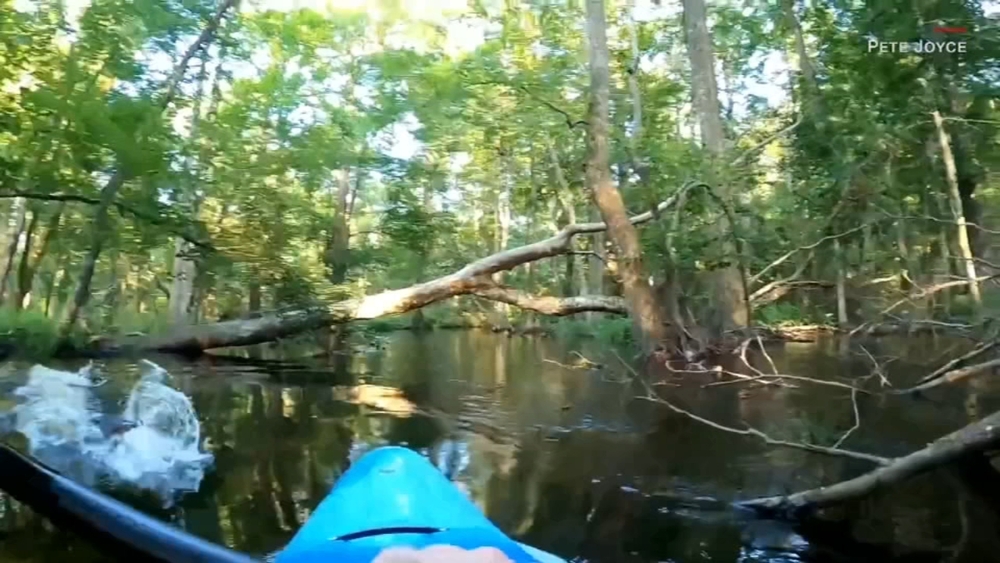
Credit: abc7chicago.com
Kayaking In Alligator Territory
Kayaking through serene waters surrounded by lush greenery sounds like a dream. But what if those waters are home to alligators? Paddling in alligator territory can be both thrilling and nerve-wracking. Understanding the dynamics of these creatures can enhance your kayaking experience while ensuring safety.
Popular Locations
Some of the best spots for kayaking amidst alligators are in the Southeastern United States. Florida’s Everglades is a prime destination, offering a unique chance to observe these reptiles in their natural habitat. Other popular locations include Louisiana’s bayous and South Carolina’s coastal marshes. These places offer not only a chance to see alligators but also diverse ecosystems full of wildlife.
Safety Precautions
Safety should always be your priority when kayaking in alligator territory. Keep your distance from the shoreline where alligators often bask. Stay alert and avoid sudden movements which might provoke them. Use a sturdy kayak and ensure your paddle isn’t too close to the water’s edge.
- Maintain a safe distance from alligator resting areas.
- Never feed alligators, as it can make them aggressive.
- Always carry a whistle or noise-making device for emergencies.
Would you risk paddling close to these powerful creatures for a chance to observe them up close? Balancing thrill with caution can make your kayaking adventure both safe and exhilarating.
Analyzing The Myth
Many people fear kayaking near alligators. Stories of alligator attacks create worry. But are these fears justified? Let’s explore the myth and discover the truth.
Origins Of The Myth
The myth of alligators attacking kayaks likely started from rare incidents. Such events were often exaggerated. Media reports and word-of-mouth added fuel. People began to believe alligators are aggressive. But alligators usually avoid humans. They prefer to stay away from disturbances.
Common Misconceptions
Many think alligators see kayaks as threats. This isn’t true. Alligators are wary of large objects. They often observe from a distance. Another misconception is that alligators frequently attack. Attacks are actually rare. Most alligators are non-confrontational.
Some people believe alligators are always hungry. This is incorrect. Alligators have specific feeding times. They don’t attack kayaks for food. Understanding these misconceptions helps reduce fear.
Real Life Incidents
Kayakers often wonder about alligator encounters. Real-life incidents show alligators rarely attack kayaks. Most alligators avoid humans unless provoked or surprised.
Real life incidents involving alligators and kayaks can be both fascinating and alarming. While kayaking provides a serene way to connect with nature, it also brings you closer to wildlife, sometimes unexpectedly. Understanding these encounters can help you better prepare for your own adventures on the water.Documented Cases
There have been documented cases where kayakers experienced alligator encounters. In one instance, a kayaker in Florida reported an alligator nudging his kayak, startling him but causing no harm. Similarly, another kayaker shared a story about an alligator swimming close by, creating a sense of unease but ultimately leaving him alone. These stories highlight the unpredictable nature of wildlife interactions.Factors Contributing To Attacks
Several factors can contribute to an alligator’s decision to approach a kayak. Alligators may become more active during mating season, increasing the chances of an encounter. Additionally, kayakers venturing into areas where alligators are known to live might inadvertently provoke a response. Your actions, such as making sudden movements or loud noises, can also impact their behavior. Have you ever thought about how your presence affects the animals around you? By staying informed and aware, you can enjoy your kayaking adventures while minimizing the risk of unexpected encounters.Expert Opinions
When considering the potential for alligator attacks on kayaks, gaining insights from experts can provide clarity and peace of mind. Understanding the perspective of wildlife biologists and kayakers themselves can shed light on this intriguing topic. So, what do the experts say about the likelihood and nature of such encounters?
Wildlife Biologist Insights
Wildlife biologists emphasize that alligators are generally wary of humans and prefer to avoid confrontation. They point out that alligators typically perceive kayaks as large, non-threatening objects. However, during mating season or when protecting their nests, alligator behavior can be unpredictable.
Biologists recommend maintaining a respectful distance from alligators, especially during these sensitive times. They also suggest avoiding areas known for high alligator activity. By doing so, you significantly reduce the risk of an encounter.
Kayaker Experiences
Many kayakers share their experiences of peacefully paddling alongside alligators without incident. They often describe the creatures as curious but not aggressive. One kayaker recounted a moment when an alligator simply submerged and swam away, underscoring the reptile’s reluctance to engage.
However, some kayakers have reported feeling uneasy when alligators approach their kayaks. In these instances, remaining calm and paddling steadily away is advised. It’s crucial to remember that panicking can provoke the alligator, whereas calm movements are less likely to cause alarm.
Have you ever had an encounter with an alligator while kayaking? How did you handle it? Your experiences could provide valuable insights for others navigating these waters.
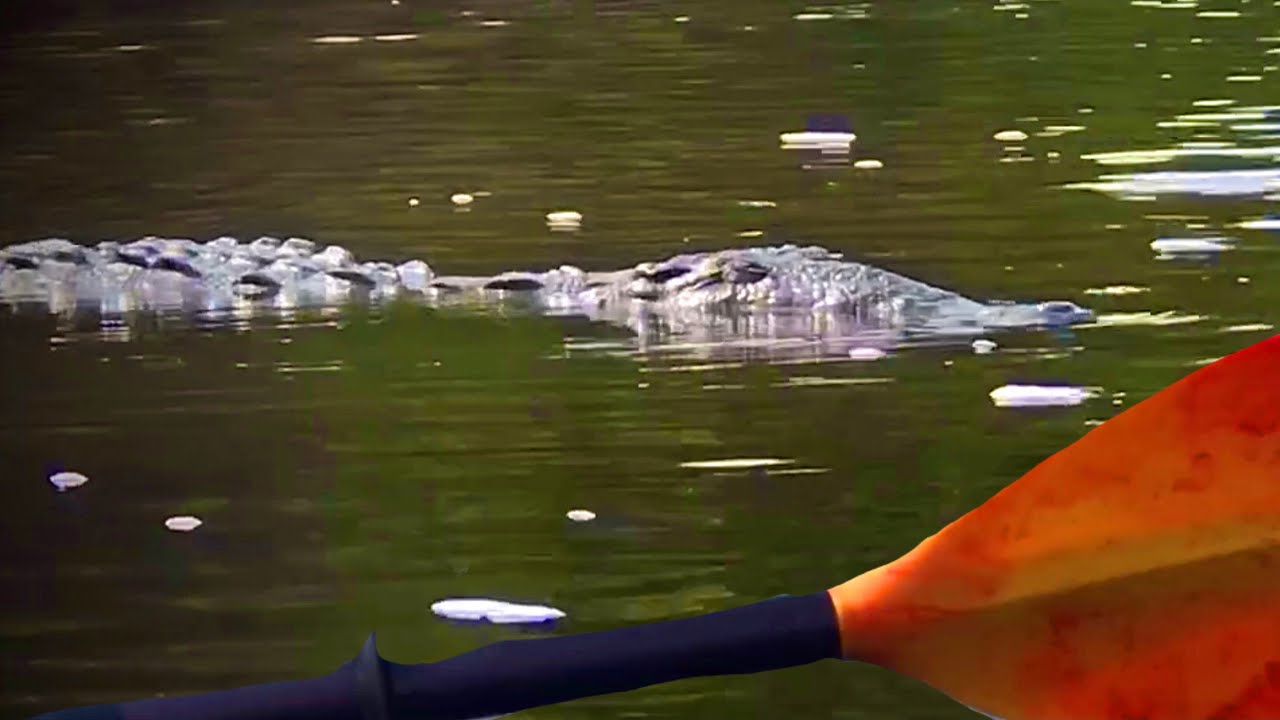
Credit: www.youtube.com
Safety Tips For Kayakers
Kayakers should remain cautious of alligator habitats. Stay in open waters and keep a safe distance. Making noise can deter alligators from approaching.
Safety while kayaking is crucial, especially in alligator habitats. These reptiles are fascinating but can pose risks to kayakers. Understanding safety tips can ensure a secure and enjoyable experience on the water.Avoiding Alligator Encounters
- Keep a safe distance from alligators. They can be unpredictable.
- Avoid areas known for high alligator activity. Check local advisories.
- Do not feed or provoke alligators. This can lead to aggressive behavior.
- Stay calm and quiet. Loud noises may disturb them.
- Wear bright clothing. It can help in visibility but avoid flashy movements.
Emergency Protocols
- Carry a whistle or air horn. Use it to scare off alligators.
- Keep a first-aid kit. Be prepared for minor injuries.
- Know local emergency contacts. Quick access can save lives.
- Practice capsizing recovery. It helps in staying safe if flipped.
- Have a communication device. Ensure it’s waterproof for easy use.
Balancing Adventure And Safety
Exploring alligator habitats by kayak can be thrilling yet risky. Staying informed and prepared can help minimize dangers. Understanding alligator behavior is key to ensuring a safe and exciting adventure.
Balancing Adventure and Safety Kayaking in alligator-inhabited waters can be thrilling, but it demands a careful balance between adventure and safety. While the idea of gliding through serene waters surrounded by nature is enticing, it’s crucial to remain aware of the potential risks. Understanding how to navigate these environments safely ensures your experience remains both exhilarating and secure.Respecting Wildlife
Encounters with alligators are rare but possible when kayaking. Respecting their space is vital for your safety and theirs. Keep a safe distance, ideally more than 20 feet, to avoid startling them. Observe their behavior from afar. If they seem agitated or start moving towards you, it’s best to paddle away calmly. Avoid feeding alligators. Feeding them can make them associate humans with food, increasing the likelihood of aggressive behavior.Responsible Recreation
Responsible recreation means understanding and respecting the environment you’re exploring. Always adhere to local guidelines regarding wildlife interactions. Equip yourself with knowledge about alligator habits. Knowing when they’re most active, typically dawn and dusk, can help you plan your kayaking trip during safer times. Consider investing in safety gear. Personal flotation devices are a must, but you might also think about carrying a whistle or other signaling device for emergencies. Would you rather take risks or enjoy a safe yet adventurous journey? Balancing thrill with precaution allows you to savor the beauty of nature without compromising safety.
Credit: www.facebook.com
Frequently Asked Questions
Have Alligators Ever Attacked A Kayak?
Yes, alligators have attacked kayaks before. Kayakers should remain cautious in waters inhabited by alligators. Staying alert and maintaining a safe distance can help prevent incidents. It’s essential to understand alligator behavior and respect their natural habitat for safety.
What To Do If An Alligator Approaches Your Kayak?
Stay calm and avoid sudden movements. Paddle slowly away from the alligator. Keep a safe distance and never attempt to feed or provoke it. If necessary, use your paddle to gently steer away. Always respect wildlife and remain vigilant in alligator habitats.
Can You Kayak In Water With Alligators?
Yes, kayaking in alligator habitats is possible. Stay alert and avoid sudden movements to minimize risks. Use a stable kayak for safety. Keep a safe distance and never feed alligators. Always follow local guidelines and precautions for a safe experience.
Can An Alligator Flip Over A Canoe?
Yes, an alligator can flip over a canoe. They are powerful and may tip small boats if startled or aggressive. It’s important to stay calm and avoid provoking them when in their habitat. Always exercise caution when canoeing in areas where alligators are present.
Conclusion
Kayaking near alligators can be thrilling yet risky. These creatures are often peaceful but can act unpredictably. Staying aware and maintaining a safe distance is crucial. Avoid splashing water or making sudden moves. Always respect their space to minimize danger.
Educate yourself about local wildlife before kayaking. Knowing their habits and habitats helps ensure safety. Be prepared and carry necessary safety gear. Trust your instincts and leave the area if uneasy. Remember, nature demands respect and caution. Enjoy your adventure while staying alert and informed.
Safe kayaking leads to memorable experiences.